


Johann Nepomuk Hummel
Sonata for mandolin or violin & harpsichord or piano in C minor, Op. 37a
Released Album
Recent Album
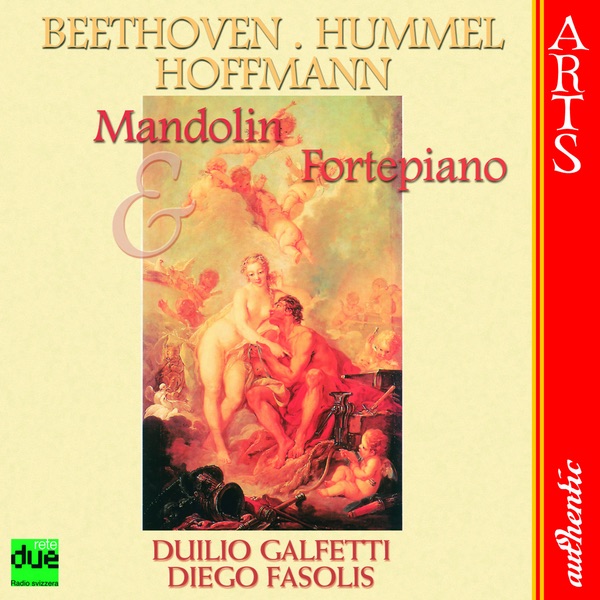
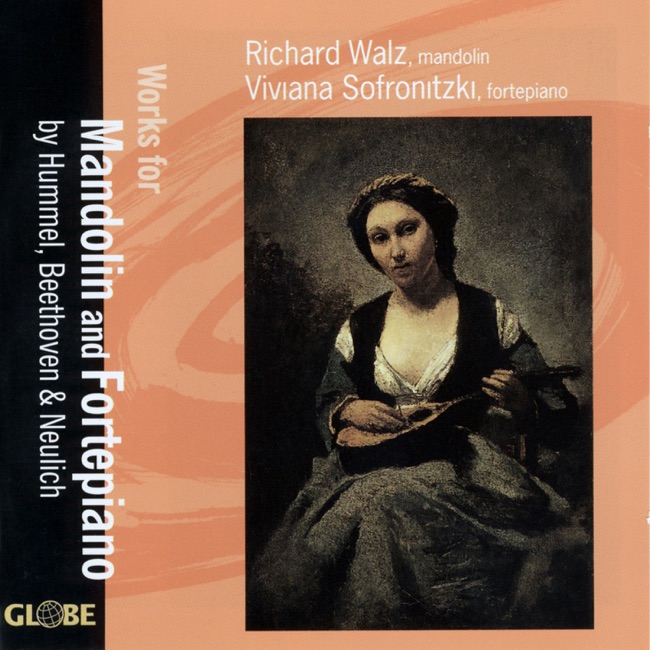
Featured Album
Works Info
Composer:Johann Nepomuk HummelGenre:ChamberStyle:Chamber MusicPublication Date:ca. 1810Average_duration:17:23Movement_count:3Movement ....Johann Nepomuk Hummel composed his Sonata for Mandolin or Violin & Harpsichord or Piano in C minor, Op. 37a in 1806. The piece was premiered in Vienna in the same year. The sonata consists of three movements: Allegro con spirito, Andante con variazioni, and Rondo: Allegro. The first movement, Allegro con spirito, is in sonata form and begins with a dramatic and intense introduction. The mandolin or violin and harpsichord or piano engage in a lively dialogue, with the mandolin or violin taking on a virtuosic role. The movement is characterized by its energetic and lively nature, with frequent changes in tempo and dynamics. The second movement, Andante con variazioni, is a set of variations on a simple and elegant theme. The mandolin or violin takes on a more lyrical role, with the harpsichord or piano providing a delicate accompaniment. Each variation explores different aspects of the theme, with changes in harmony, rhythm, and texture. The movement ends with a return to the original theme, now transformed by the variations. The final movement, Rondo: Allegro, is a lively and playful piece in rondo form. The mandolin or violin and harpsichord or piano engage in a spirited dialogue, with the mandolin or violin taking on a virtuosic role once again. The movement is characterized by its catchy and memorable theme, which is repeated several times throughout the piece. The movement ends with a lively coda, bringing the sonata to a thrilling conclusion. Overall, Hummel's Sonata for Mandolin or Violin & Harpsichord or Piano in C minor, Op. 37a is a virtuosic and engaging piece, showcasing the talents of both the mandolin or violin and harpsichord or piano. The piece is characterized by its lively and energetic nature, with frequent changes in tempo and dynamics. The second movement provides a contrast to the first and third movements, with its elegant and lyrical variations. The final movement is a playful and memorable piece, bringing the sonata to a thrilling conclusion.More....
Works Music
Released Music
1
Sonata for mandolin or violin & harpsichord or piano in C minor, Op. 37a
I. Allegro con spirit
6:2
2
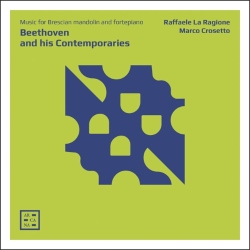
Sonata for mandolin or violin & harpsichord or piano in C minor, Op. 37a
I. Allegro con spirito
9:7
3
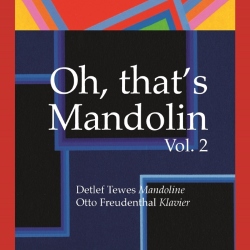
Sonata for mandolin or violin & harpsichord or piano in C minor, Op. 37a
III. Rondo Allegretto Più Tosto Allegro
5:11
4
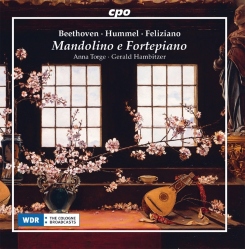
Sonata for mandolin or violin & harpsichord or piano in C minor, Op. 37a
I. Allegro con spirito
9:29
5
Sonata for mandolin or violin & harpsichord or piano in C minor, Op. 37a
I. Allegro con spirit
6:2
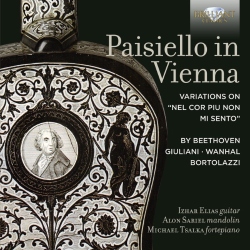
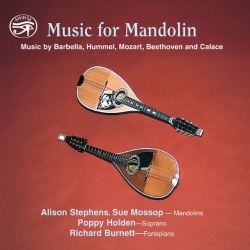
8
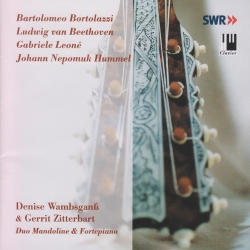
Sonata for mandolin or violin & harpsichord or piano in C minor, Op. 37a
I. Allegro con spirito
8:35
9
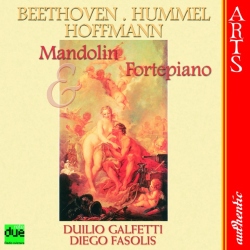
Sonata for mandolin or violin & harpsichord or piano in C minor, Op. 37a
1. Allegro con spirito
8:46
10
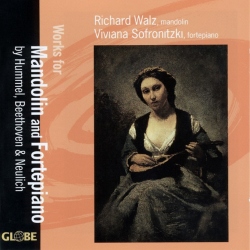
Sonata for mandolin or violin & harpsichord or piano in C minor, Op. 37a
No. 1, Allegro con spirito
9:59
Featured Music
2
Sonata for mandolin or violin & harpsichord or piano in C minor, Op. 37a
Andante moderato siciliano
3:53
3
Sonata for mandolin or violin & harpsichord or piano in C minor, Op. 37a
Allegretto più Tosto Allegro
4:11