


Richard Walz
Released Album
Choral
-
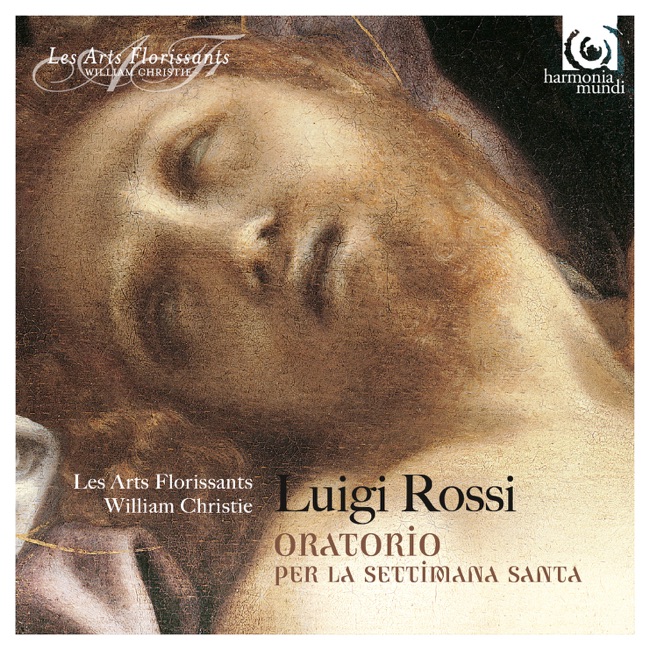 March 1, 1994
Chamber
-
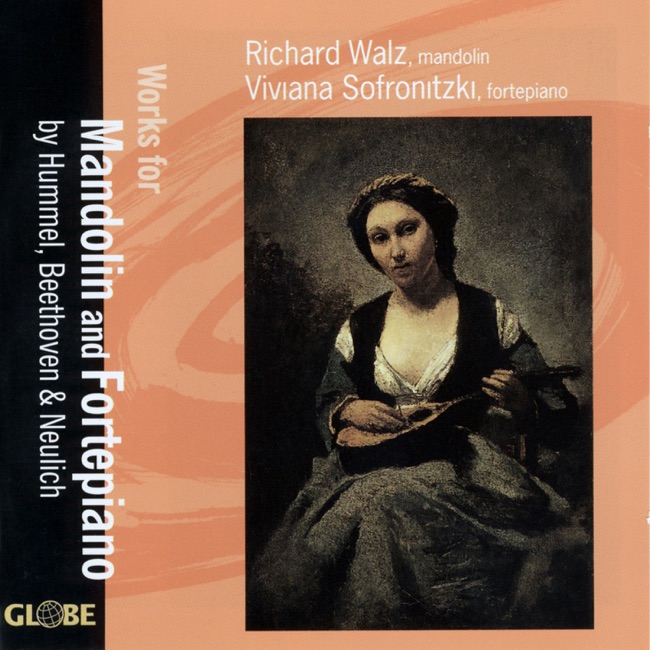 February 15, 1999
Artist Info
Period:BaroqueClassicalGenre:ChamberChoralConcertoOperaRichard Walz was a renowned classical music artist who made significant contributions to the world of music. He was born on August 22, 1924, in Vienna, Austria, to a family of musicians. His father, Franz Walz, was a well-known conductor, and his mother, Maria Walz, was a pianist. Richard grew up in a musical environment and started playing the piano at a young age. Richard's talent for music was evident from an early age, and he received formal training in piano and composition. He studied at the Vienna Academy of Music, where he was mentored by some of the most prominent musicians of the time. He also attended masterclasses by renowned pianists such as Artur Schnabel and Wilhelm Kempff. In 1945, Richard made his debut as a pianist, performing Beethoven's Piano Concerto No. 3 with the Vienna Symphony Orchestra. The performance was a huge success, and Richard received critical acclaim for his virtuosity and musicality. This marked the beginning of his career as a concert pianist. Over the next few years, Richard performed extensively in Europe, playing with some of the most prestigious orchestras and conductors. He also made several recordings, which were highly praised by critics and audiences alike. In 1950, he was invited to perform at the Salzburg Festival, where he played Mozart's Piano Concerto No. 21 with the Vienna Philharmonic Orchestra. The performance was a huge success, and Richard was hailed as a rising star in the world of classical music. In 1952, Richard moved to the United States, where he continued to perform and teach. He was appointed as a professor of piano at the Juilliard School in New York, where he taught for over 30 years. He also performed extensively in the US, playing with some of the most prominent orchestras and conductors. One of the highlights of Richard's career was his performance of Beethoven's Piano Concerto No. 5 with the New York Philharmonic Orchestra in 1964. The performance was conducted by Leonard Bernstein and was broadcast live on national television. It was a landmark event in the history of classical music, and Richard's performance was widely praised for its technical brilliance and emotional depth. Richard was also a prolific composer, and his works were performed by many leading musicians and orchestras. His compositions were characterized by their lyrical melodies, rich harmonies, and intricate rhythms. Some of his most famous works include his Piano Sonata No. 1, his String Quartet No. 2, and his Symphony No. 3. Throughout his career, Richard received numerous awards and honors for his contributions to the world of music. He was awarded the Austrian Cross of Honor for Science and Art in 1974 and was inducted into the American Academy of Arts and Letters in 1982. He also received honorary doctorates from several universities, including the University of Vienna and the University of Michigan. Richard continued to perform and compose until his death on January 1, 2003, at the age of 78. He left behind a rich legacy of music, which continues to inspire and delight audiences around the world. His contributions to the world of classical music will always be remembered and celebrated.More....
Recent Artist Music
1
Sonata for mandolin or violin & harpsichord or piano in C minor, Op. 37a
No. 1, Allegro con spirito
9:59
Copyright Ⓒ 2013 Davinci Finger. All rights reseved
Service Terms & Policy