


Orlande de Lassus
Regina coeli laetare, for 4 voices, M. xxi (S. i/81)
Released Album
Recent Album
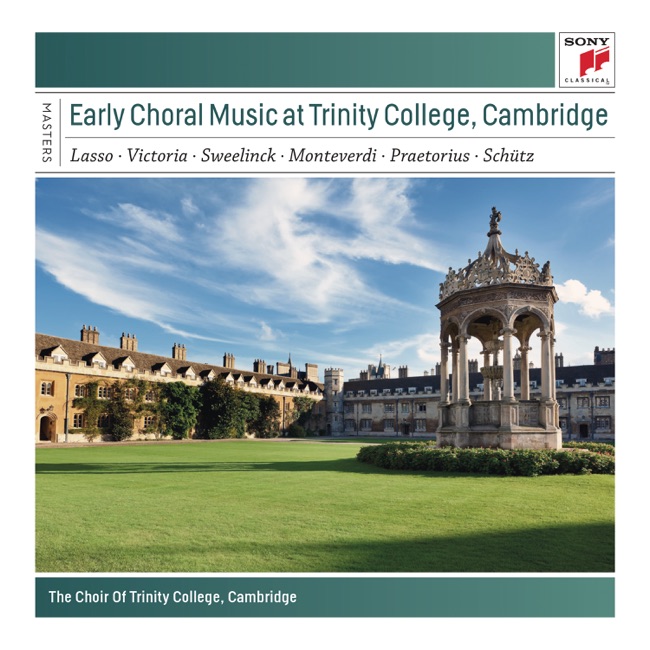
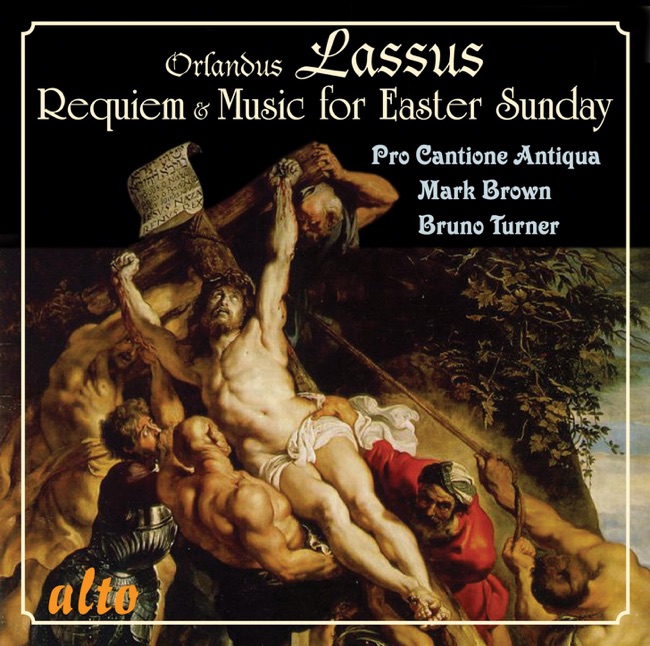

Works Info
Composer:Orlande de LassusGenre:ChoralStyle:ChoralPublication Date:1604Average_duration:2:12Regina coeli laetare, for 4 voices, M. xxi (S. i/81) is a sacred motet composed by Orlande de Lassus, a Franco-Flemish composer of the late Renaissance period. The piece was composed in the late 16th century and was first performed in Munich, Germany. The motet is divided into four movements, each of which is based on a different section of the Regina Coeli, a Marian antiphon that is traditionally sung during the Easter season. The first movement is a joyful and exuberant setting of the opening words of the antiphon, "Regina coeli laetare, alleluia" ("Queen of Heaven, rejoice, alleluia"). The second movement is a more subdued and contemplative setting of the next line, "Quia quem meruisti portare, alleluia" ("For he whom you were worthy to bear, alleluia"). The third movement is a lively and rhythmic setting of the third line, "Resurrexit sicut dixit, alleluia" ("Has risen as he said, alleluia"), which celebrates the resurrection of Christ. The final movement is a triumphant and majestic setting of the concluding line, "Ora pro nobis Deum, alleluia" ("Pray for us to God, alleluia"), which asks for the intercession of the Virgin Mary. The motet is characterized by Lassus' skillful use of polyphony, in which multiple voices sing different melodies simultaneously, creating a rich and complex texture. The piece also features frequent changes in tempo and dynamics, which help to convey the emotional and spiritual significance of the text. Overall, Regina coeli laetare is a masterful example of Renaissance sacred music, showcasing Lassus' mastery of composition and his ability to create music that is both beautiful and spiritually uplifting.More....
Works Music
Released Music
1
2:45
2
2:30
3
2:12