Antoine de Févin
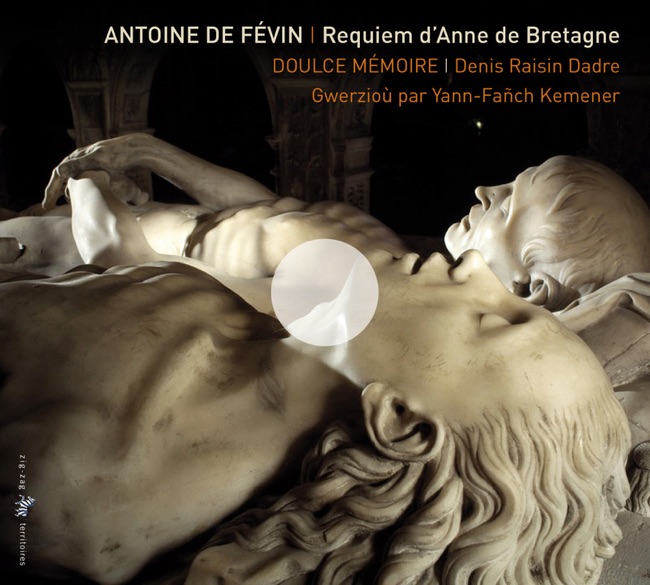
Missa pro dufunctis (Requiem d'Anne de Bretagne)
Released Album
Recent Album
Featured Album
Works Info
Composer:Antoine de FévinGenre:ChoralAverage_duration:40:41Movement_count:13Movement ....Antoine de Févin's 'Missa pro dufunctis (Requiem d'Anne de Bretagne)' is a masterpiece of Renaissance choral music. It was composed in the early 16th century, around 1512-1513, and was dedicated to Anne of Brittany, the queen consort of France. The piece was premiered in the royal chapel of the Château de Blois, where Anne was buried, and was performed by the chapel choir under the direction of Jean Mouton. The 'Missa pro dufunctis' is a requiem mass, which is a musical setting of the Catholic Mass for the Dead. It consists of six movements: Introit, Kyrie, Gradual, Tract, Sequence, and Offertory. The piece is written for four-part choir, with occasional divisi, and is scored for a cappella voices. The 'Missa pro dufunctis' is characterized by its solemn and mournful tone, which is appropriate for a requiem mass. The piece is marked by its use of polyphony, which is the simultaneous sounding of multiple independent melodies. The polyphonic texture creates a rich and complex sound, with each voice contributing to the overall harmony and texture of the piece. The Introit sets the tone for the piece, with its somber and mournful melody. The Kyrie is a plea for mercy, with the choir singing in unison to create a sense of urgency and desperation. The Gradual is a psalm that expresses hope and trust in God's mercy. The Tract is a series of verses that are sung without interruption, creating a sense of continuity and flow. The Sequence is a hymn that tells the story of Christ's passion and death, and is marked by its use of melismatic singing, where a single syllable is stretched out over multiple notes. The Offertory is a prayer for the dead, with the choir singing in a subdued and mournful tone. Overall, Antoine de Févin's 'Missa pro dufunctis (Requiem d'Anne de Bretagne)' is a masterpiece of Renaissance choral music. Its solemn and mournful tone, rich polyphonic texture, and use of traditional Catholic liturgical texts make it a powerful and moving work that continues to be performed and admired today.More....
Works Music
Released Music
Featured Music