


Antoine de Févin
Released Album
Choral
-
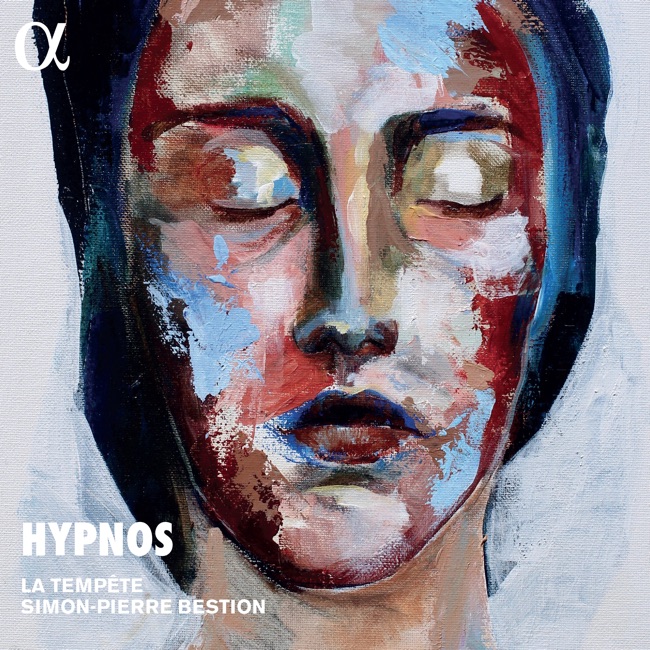 January 14, 2022
 -
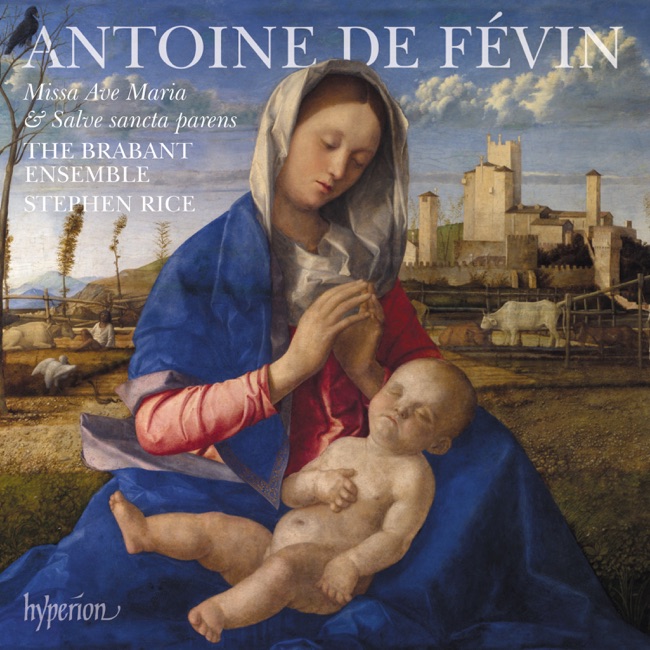 November 2, 2018
 -
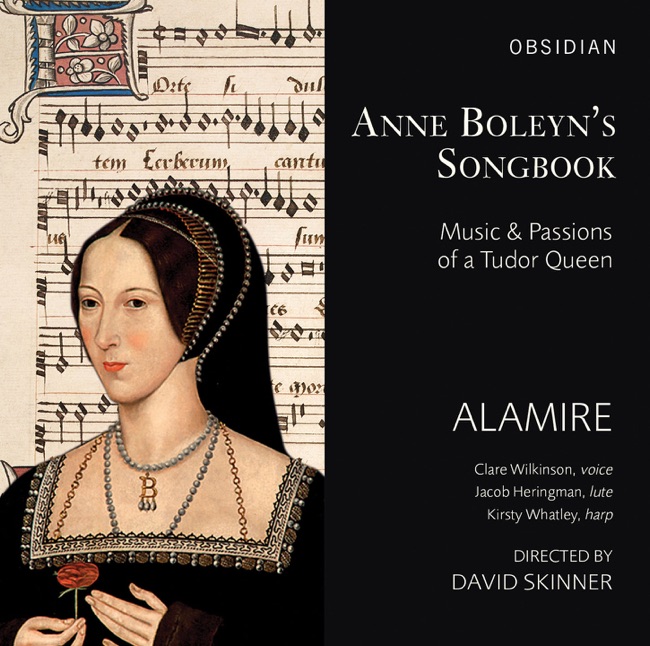 September 25, 2015
 -
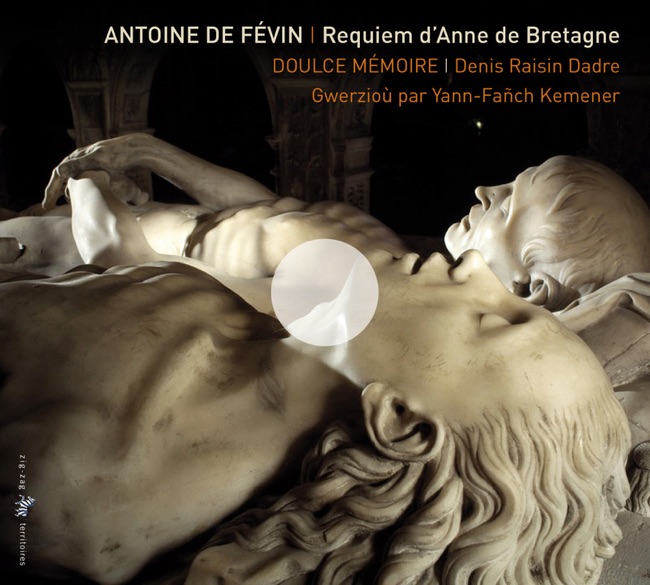 June 1, 2011
 -

Vocal
-
 June 30, 2015
 -
-
 March 23, 2015
Artist Info
Role:ComposerBirth:1475 in Arras, FranceDeath:1512 in Blois, FranceGenre:ChamberChoralVocalAntoine de Févin was a French composer of the Renaissance period, born in the late 15th century. Not much is known about his early life, but it is believed that he was born in the town of Arras, in the northern region of France. Févin was a member of the Chapel Royal in Paris, where he served as a singer and composer. He was also a member of the choir at the Cathedral of Notre-Dame in Paris. Févin's musical education is not well documented, but it is believed that he received training in the Franco-Flemish style of polyphony, which was popular in the Renaissance period. This style of music was characterized by the use of multiple voices, each singing a different melody, which were then combined to create a complex and harmonious sound. Févin's compositions were highly regarded during his lifetime, and he was considered one of the leading composers of his time. His works were performed at the royal court and in churches throughout France. Févin's music was known for its intricate harmonies and complex rhythms, which were often used to convey religious themes. One of Févin's most famous works is his Missa Ave Maria, which was composed in the early 16th century. This mass is known for its use of intricate polyphony, which creates a rich and complex sound. The mass is divided into six parts, each of which is based on a different section of the Ave Maria prayer. The Missa Ave Maria is considered one of Févin's most important works, and it has been performed and recorded by many choirs and ensembles. Another notable work by Févin is his motet, Salve Regina. This piece is a setting of the Salve Regina prayer, which is a hymn to the Virgin Mary. The motet is known for its use of complex harmonies and rhythms, which create a sense of reverence and awe. The piece has been performed and recorded by many choirs and ensembles, and it remains a popular work in the repertoire of Renaissance music. Févin's music was highly influential in the development of Renaissance music, and his works were studied and imitated by many composers of the time. His use of complex polyphony and intricate harmonies helped to establish the Franco-Flemish style as one of the dominant forms of music in Europe during the Renaissance period. Despite his importance as a composer, Févin's life remains shrouded in mystery. Little is known about his personal life, and there are few surviving documents that shed light on his career. However, his music continues to be performed and studied today, and his contributions to the development of Renaissance music are widely recognized and celebrated.More....
Recent Artist Music

4
6:24




Copyright Ⓒ 2013 Davinci Finger. All rights reseved
Service Terms & Policy