William Byrd
Miserere a 4
Released Album
Recent Album
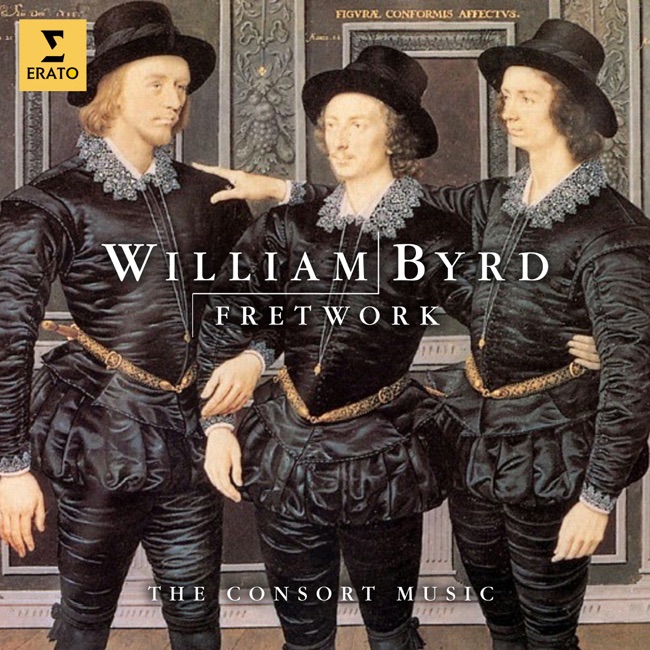
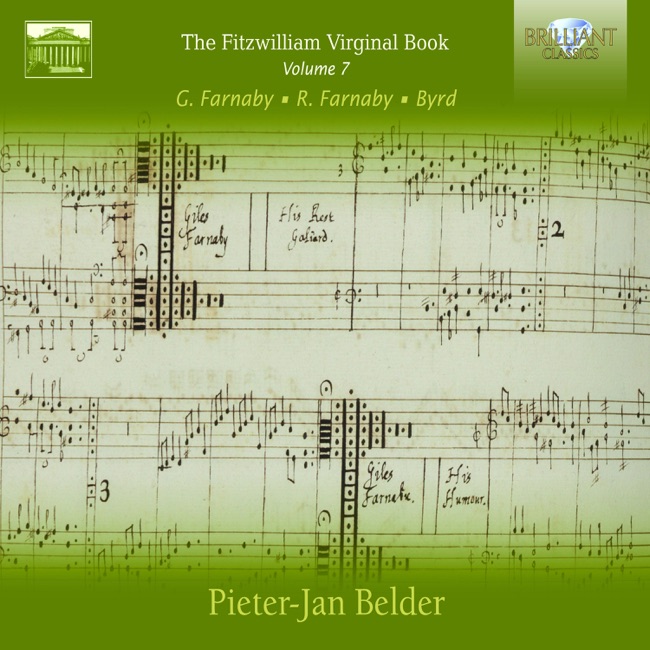
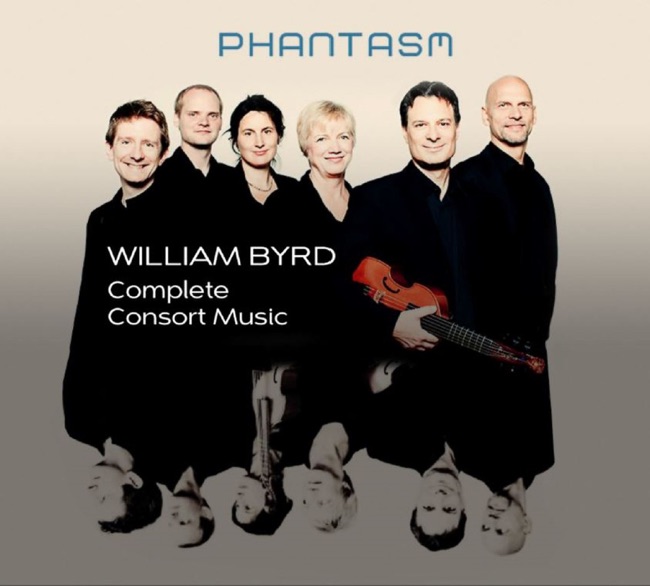


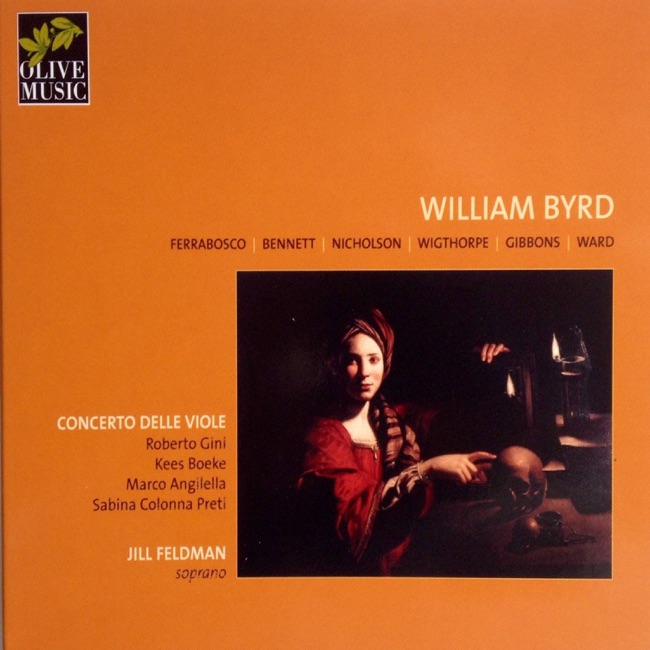
Featured Album
Works Info
Composer:William ByrdGenre:ChamberStyle:Chamber MusicAverage_duration:2:10William Byrd's 'Miserere a 4' is a choral composition that was composed during the Renaissance period. The exact date of its composition is unknown, but it is believed to have been written in the late 16th century. The piece was first performed in the Chapel Royal in London, England. The 'Miserere a 4' is a sacred choral work that is divided into three movements. The first movement is a setting of the Latin text 'Miserere mei, Deus' (Have mercy on me, O God), which is a penitential psalm. The second movement is a setting of the text 'Gloria Patri' (Glory be to the Father), which is a doxology. The third movement is a repetition of the first movement. The 'Miserere a 4' is characterized by its use of polyphony, which is a musical technique that involves the simultaneous use of multiple independent melodies. Byrd's use of polyphony in this piece creates a rich and complex texture that is both beautiful and expressive. The piece also features a variety of vocal textures, including homophonic and imitative textures. One of the most notable features of the 'Miserere a 4' is its use of dissonance. Byrd uses dissonance to create tension and drama in the piece, which is then resolved through the use of consonance. This creates a sense of emotional depth and intensity that is characteristic of Renaissance music. Overall, the 'Miserere a 4' is a beautiful and expressive choral work that showcases William Byrd's mastery of polyphony and his ability to create emotional depth through the use of dissonance and consonance. Its premiere in the Chapel Royal was a testament to Byrd's skill as a composer and his importance in the development of Renaissance music.More....
Works Music
Released Music


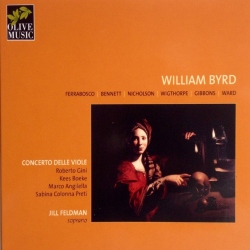
Featured Music