Giovanni Benedetto Platti
Trio sonata for violin, cello & continuo in G major
Released Album
Recent Album
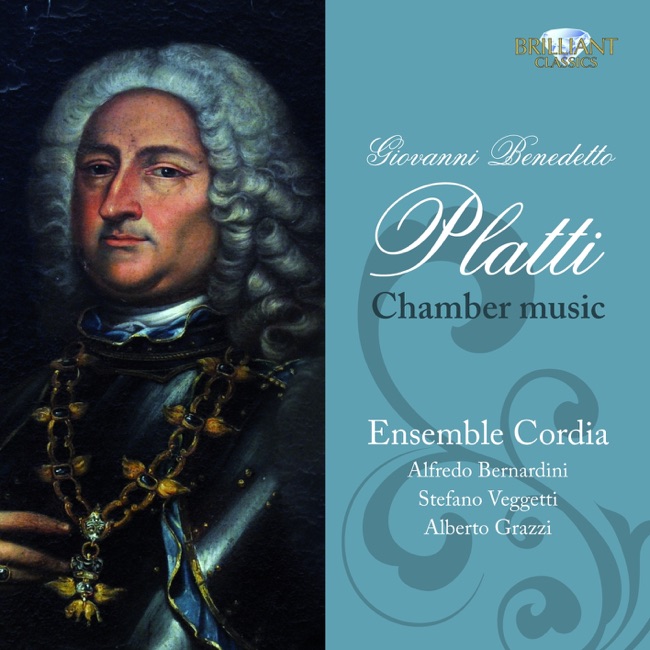
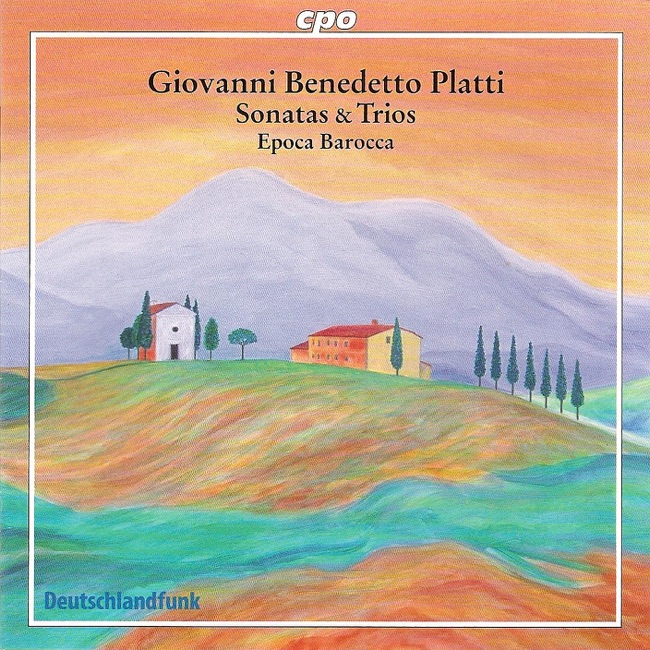
Works Info
Composer:Giovanni Benedetto PlattiGenre:ChamberStyle:SonataAverage_duration:11:22Movement_count:4Movement ....Giovanni Benedetto Platti was an Italian composer and oboist who lived from 1697 to 1763. He was known for his instrumental music, particularly his works for the oboe and chamber music. One of his most famous works is the Trio Sonata for Violin, Cello & Continuo in G major. The Trio Sonata for Violin, Cello & Continuo in G major was composed by Platti in the early 18th century. The exact date of composition is unknown, but it is believed to have been written around 1720. The piece was premiered in Italy, likely in one of the many courts where Platti worked as a musician. The Trio Sonata is divided into four movements, typical of the Baroque era. The first movement is marked Allegro and is in G major. It is a lively and energetic piece, with the violin and cello trading off melodic lines. The second movement is marked Adagio and is in E minor. It is a slower, more contemplative piece, with the violin and cello playing in unison for much of the movement. The third movement is marked Allegro and is in G major. It is a fast and playful piece, with the violin and cello once again trading off melodic lines. The final movement is marked Allegro and is in G major. It is a lively and joyful piece, with the violin and cello playing in unison for much of the movement. The Trio Sonata for Violin, Cello & Continuo in G major is characteristic of Platti's style, which is known for its lyricism and virtuosity. The piece showcases the technical abilities of the violin and cello, with fast runs and intricate passages. It also features the continuo, which provides a harmonic foundation for the piece. The Trio Sonata is a prime example of Baroque chamber music, which was often performed in small, intimate settings. Overall, the Trio Sonata for Violin, Cello & Continuo in G major is a beautiful and lively piece of music that showcases Platti's talent as a composer. Its four movements provide a range of emotions and technical challenges for the performers, making it a popular piece in the Baroque chamber music repertoire.More....
Works Music