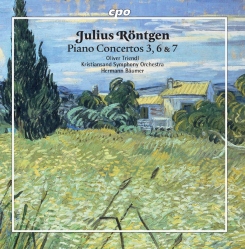
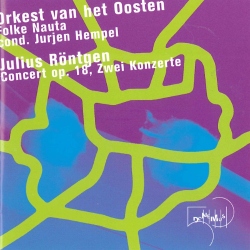
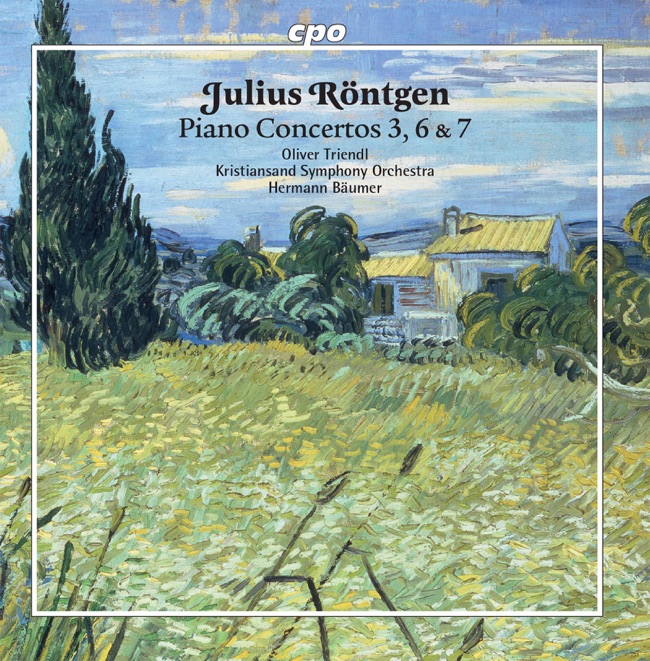
Julius Röntgen
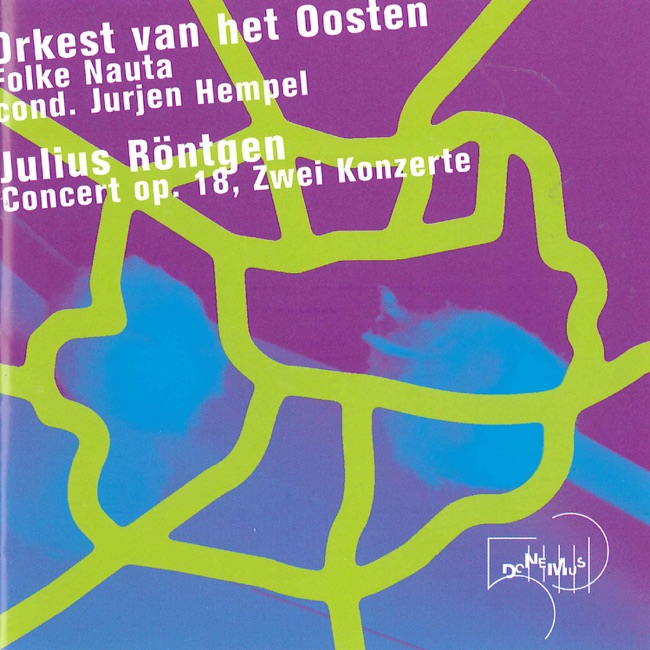
Concertos (2) for piano and orchestra
Released Album
Recent Album
Works Info
Composer:Julius RöntgenGenre:ConcertoStyle:ConcertoCompose Date:1929 - 1930Average_duration:34:49Julius Röntgen, a Dutch composer, pianist, and conductor, composed two concertos for piano and orchestra. The first concerto was composed in 1913, and the second concerto was composed in 1926. Both concertos were premiered in Amsterdam, with the first concerto being premiered on November 6, 1913, and the second concerto being premiered on November 18, 1926. The first concerto is in three movements. The first movement, marked Allegro moderato, begins with a lively and rhythmic theme in the orchestra, which is then taken up by the piano. The second theme is more lyrical and is introduced by the piano. The development section is characterized by a dialogue between the piano and the orchestra, with the piano often playing rapid arpeggios. The second movement, marked Andante, is a lyrical and expressive theme and variations. The piano introduces the theme, which is then varied by the orchestra and the piano. The third movement, marked Allegro con fuoco, is a lively and energetic rondo. The main theme is introduced by the piano, and the orchestra provides a rhythmic accompaniment. The piano and orchestra engage in a lively dialogue throughout the movement, with the piano often playing virtuosic passages. The second concerto is also in three movements. The first movement, marked Allegro moderato, begins with a lyrical and expressive theme in the orchestra, which is then taken up by the piano. The second theme is more rhythmic and is introduced by the piano. The development section is characterized by a dialogue between the piano and the orchestra, with the piano often playing rapid arpeggios. The second movement, marked Andante, is a lyrical and expressive theme and variations. The piano introduces the theme, which is then varied by the orchestra and the piano. The third movement, marked Allegro con fuoco, is a lively and energetic rondo. The main theme is introduced by the piano, and the orchestra provides a rhythmic accompaniment. The piano and orchestra engage in a lively dialogue throughout the movement, with the piano often playing virtuosic passages. Both concertos are characterized by their lyrical melodies, virtuosic piano writing, and colorful orchestration. Röntgen's use of harmony is also notable, with frequent use of chromaticism and unexpected modulations. The concertos are considered to be important contributions to the repertoire for piano and orchestra and are still performed today.More....
Works Music
Released Music