


English Traditional
Have You Seen But A Whyte Lilie Grow?
Released Album
Recent Album




Featured Album
Works Info
Composer:English TraditionalGenre:VocalStyle:SongAverage_duration:2:18"Have You Seen But A Whyte Lilie Grow?" is a traditional English song that dates back to the 16th century. The song is believed to have been composed during the Tudor period, and it has since become a popular folk song that has been performed by many artists over the years. The song is known for its beautiful melody and poignant lyrics, which describe the beauty of a white lily and the sadness of unrequited love. The song is typically performed as a solo vocal piece, accompanied by a simple guitar or piano accompaniment. The song has three main movements, each of which is characterized by a different mood and tempo. The first movement is slow and mournful, with a simple melody that emphasizes the sadness of the lyrics. The second movement is more upbeat and lively, with a faster tempo and a more complex melody that reflects the hopefulness of the lyrics. The third movement returns to the slow, mournful tempo of the first movement, bringing the song to a poignant and emotional conclusion. One of the most notable characteristics of "Have You Seen But A Whyte Lilie Grow?" is its use of imagery and metaphor to convey the emotions of the lyrics. The white lily is used as a symbol of purity and beauty, while the unrequited love described in the lyrics is a common theme in traditional English folk songs. The song has been performed by many artists over the years, including Sting, Loreena McKennitt, and John Dowland. Its enduring popularity is a testament to the timeless beauty of its melody and lyrics, and its ability to evoke powerful emotions in listeners.More....
Works Music
Released Music




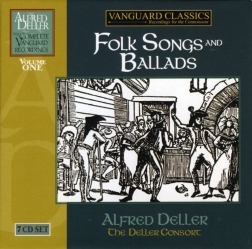
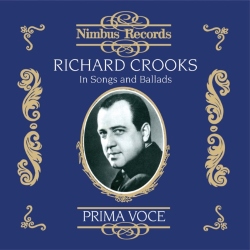
7
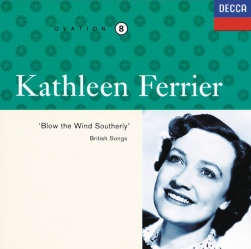
2:25
Featured Music
1
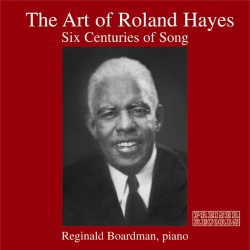
Have You Seen But A Why Lilie Grow?
Have you seen but a whyte lily grow (Old English Folksong)
2:20