Franz Schubert
Psalm 92, D. 953
Released Album
Recent Album
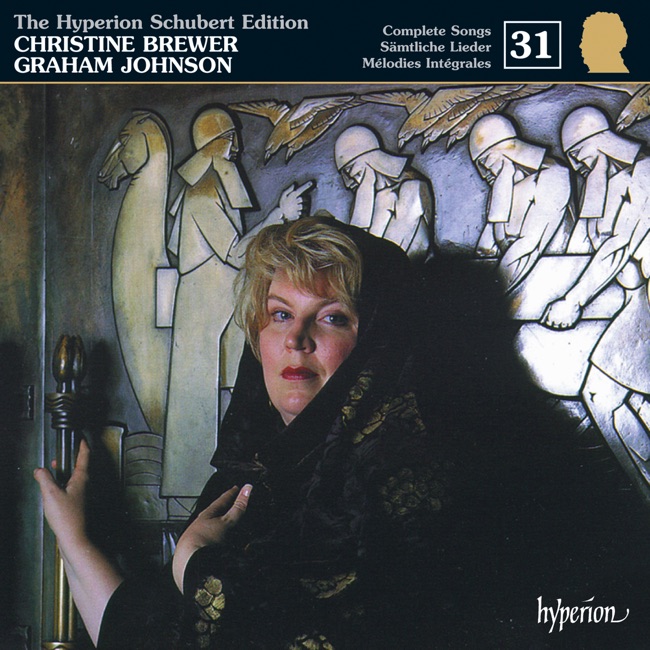
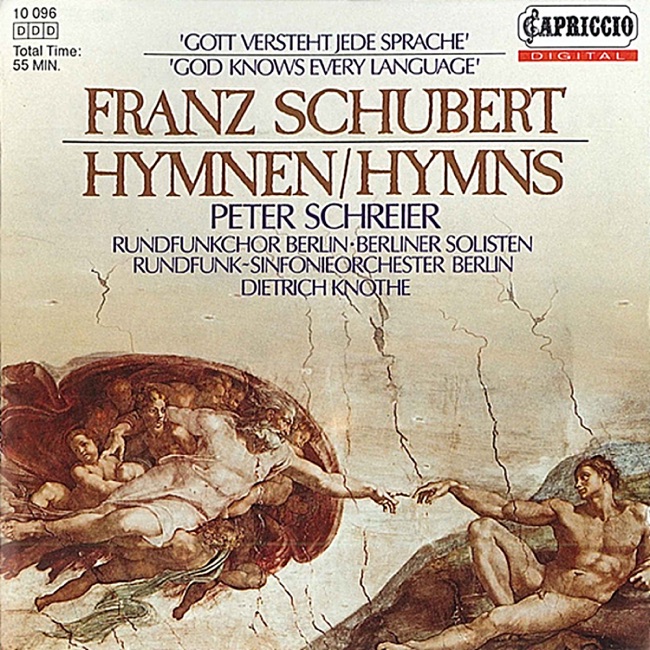
Works Info
Composer:Franz SchubertGenre:ChoralStyle:PsalmCompose Date:Jul 1828Average_duration:5:24Franz Schubert's Psalm 92, D. 953 is a choral work composed in 1828, just a few months before his death. It was premiered posthumously in 1832 at the Musikverein in Vienna. The piece is divided into four movements, each with its own unique characteristics. The first movement, marked "Allegro moderato," begins with a lively and energetic choral introduction. The choir sings the opening lines of the psalm, "It is good to give thanks to the Lord, to sing praises to your name, O Most High." The music is joyful and celebratory, with a sense of exultation and triumph. The choir is accompanied by a full orchestra, which provides a rich and vibrant backdrop for the voices. The second movement, marked "Andante," is a more contemplative and introspective section. The choir sings the lines, "For you, O Lord, have made me glad by your work; at the works of your hands I sing for joy." The music is slower and more subdued, with a sense of reverence and awe. The orchestra provides a gentle and delicate accompaniment, with soft strings and woodwinds. The third movement, marked "Allegro vivace," is a lively and energetic section. The choir sings the lines, "The righteous flourish like the palm tree and grow like a cedar in Lebanon." The music is fast-paced and rhythmic, with a sense of vitality and vigor. The orchestra provides a lively and dynamic accompaniment, with bold brass and percussion. The final movement, marked "Allegro assai," is a triumphant and exultant section. The choir sings the lines, "They still bear fruit in old age; they are ever full of sap and green." The music is fast and energetic, with a sense of joy and celebration. The orchestra provides a rich and vibrant accompaniment, with bold brass and soaring strings. Overall, Psalm 92, D. 953 is a powerful and uplifting choral work that showcases Schubert's mastery of both choral and orchestral composition. The piece is characterized by its lively and energetic rhythms, its rich and vibrant harmonies, and its sense of joy and celebration. It remains a beloved work in the choral repertoire to this day.More....