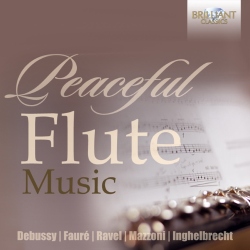
Désiré-Emile Inghelbrecht
Driades for Flute and harp
Released Album
Recent Album

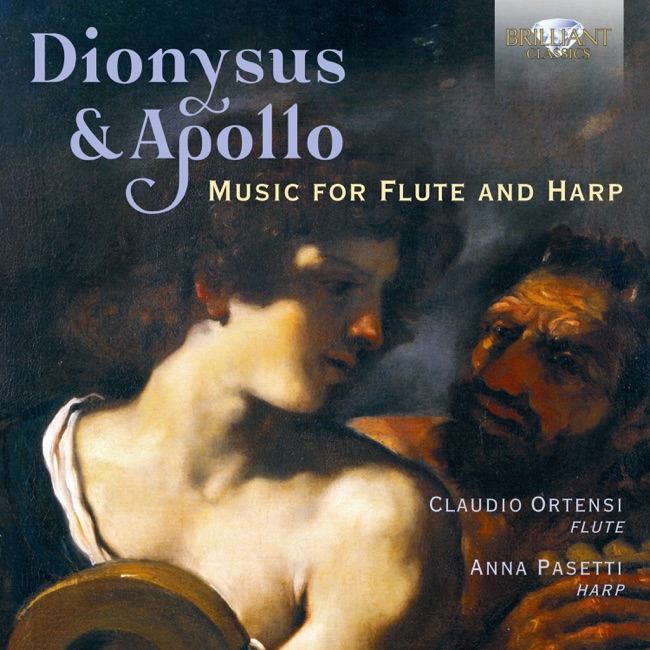

Works Info
Composer:Désiré-Emile InghelbrechtGenre:ChamberStyle:Chamber MusicAverage_duration:1:50"Driades for Flute and Harp" is a chamber music piece composed by Désiré-Emile Inghelbrecht, a French composer and conductor. The piece was composed in 1923 and premiered on May 22, 1924, at the Salle Gaveau in Paris, France. The piece consists of three movements, each of which is named after a different type of nymph from Greek mythology. The first movement is titled "Oreades," which refers to mountain nymphs. The second movement is titled "Naiades," which refers to water nymphs. The third and final movement is titled "Dryades," which refers to tree nymphs. The first movement, "Oreades," is characterized by its lively and playful melody, which is passed back and forth between the flute and harp. The movement is in a fast tempo and features frequent changes in dynamics and rhythm. The second movement, "Naiades," is more tranquil and serene, with a flowing melody that is reminiscent of a gentle stream. The harp provides a delicate accompaniment to the flute, creating a peaceful and calming atmosphere. The final movement, "Dryades," is the most complex and intricate of the three. It features a more complex melody and rhythm, with frequent changes in tempo and dynamics. The flute and harp often play in unison, creating a rich and full sound. The movement ends with a flourish, bringing the piece to a dramatic and satisfying conclusion. Overall, "Driades for Flute and Harp" is a beautiful and evocative piece of chamber music that showcases Inghelbrecht's skill as a composer. The piece is characterized by its intricate melodies, complex rhythms, and frequent changes in dynamics and tempo. It is a challenging piece to perform, but one that is sure to delight audiences with its beauty and complexity.More....
Works Music