Franz Schubert
Verklärung, D. 59
Released Album
Recent Album


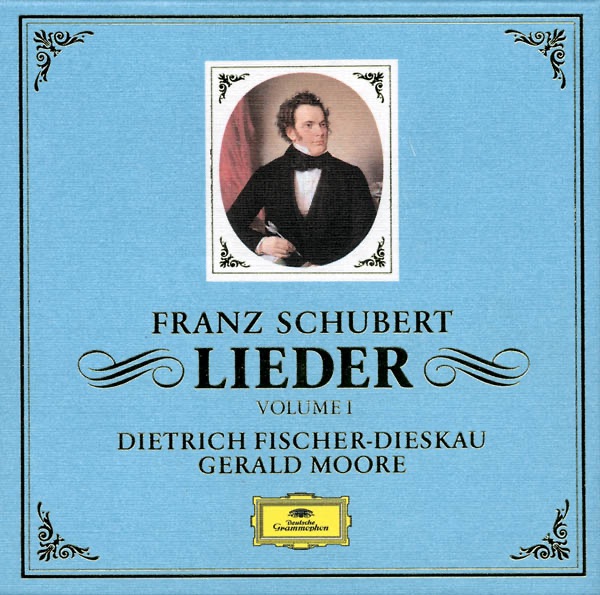
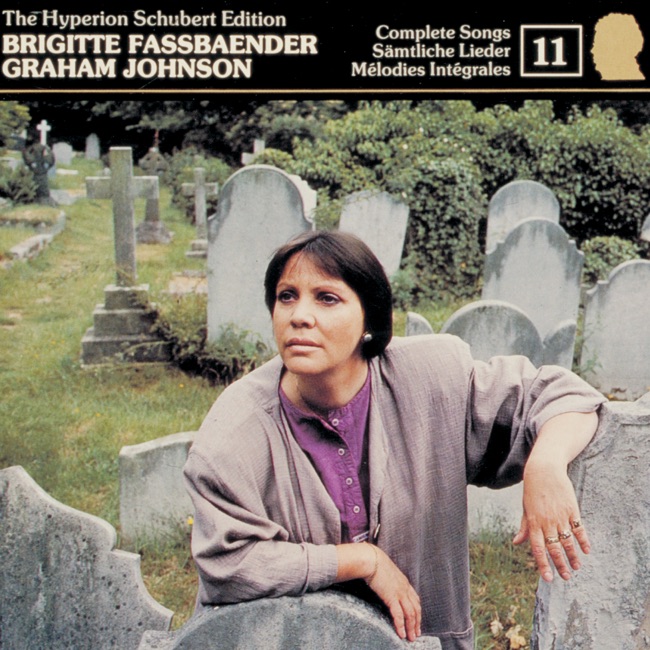
Works Info
Composer:Franz SchubertGenre:VocalStyle:SongCompose Date:May 4, 1816Average_duration:3:33"Verklärung, D. 59" is a composition by Franz Schubert, composed in 1813. The piece is also known as "Transfiguration" in English. It was premiered in Vienna in 1828, five years after Schubert's death. The composition consists of three movements. The first movement is marked "Allegro ma non troppo" and is in sonata form. The second movement is marked "Andante con moto" and is in ternary form. The final movement is marked "Allegro" and is in rondo form. The piece is characterized by its use of chromaticism and harmonic ambiguity. Schubert employs a wide range of tonalities, often shifting between them rapidly. The use of dissonance and unresolved chords creates a sense of tension and unease throughout the piece. The first movement begins with a dramatic introduction, featuring a descending chromatic scale in the bass. This motif is developed throughout the movement, creating a sense of unity and coherence. The second movement is more lyrical and introspective, featuring a haunting melody in the violin. The final movement is lively and energetic, with a playful theme that is passed between the instruments. Overall, "Verklärung, D. 59" is a complex and challenging work that showcases Schubert's mastery of harmony and form. Its use of chromaticism and dissonance foreshadows the innovations of later composers such as Wagner and Mahler. Despite its technical difficulty, the piece remains a beloved staple of the chamber music repertoire.More....