


Heinrich Schütz
Benedicam Dominum in omni tempore, SWV 267-268 (Op. 6/11-12)
Released Album
Recent Album
Works Info
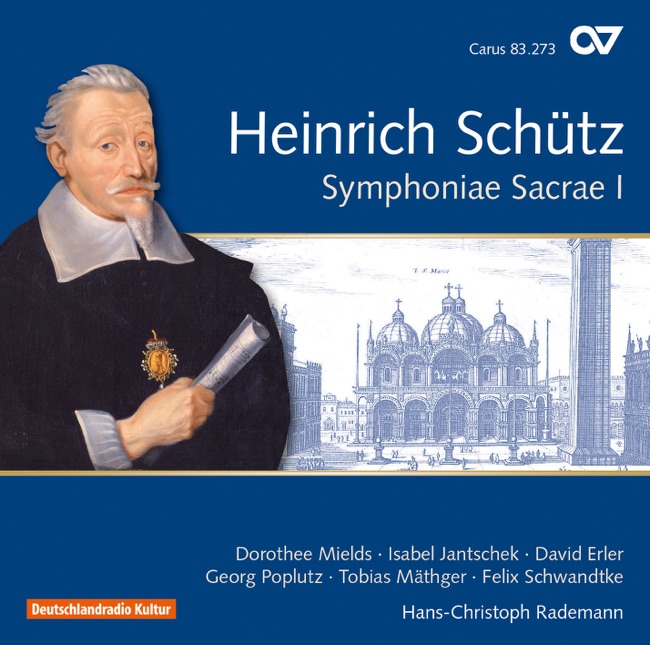
Composer:Heinrich SchützGenre:ChoralStyle:SinfoniaPublication Date:1629Average_duration:3:29Heinrich Schütz's 'Benedicam Dominum in omni tempore' is a sacred work composed in two parts, SWV 267-268 (Op. 6/11-12). It was written in the early 17th century, during Schütz's tenure as Kapellmeister at the court of Elector Johann Georg I in Dresden. The work was first performed in 1625, likely in the chapel of the Dresden court. The first part of the work, SWV 267 (Op. 6/11), is a setting of Psalm 34:1-4, which begins with the words "Benedicam Dominum in omni tempore" ("I will bless the Lord at all times"). The text is set for five voices (SSATB) and is divided into three sections. The first section is a lively and joyful setting of the opening verses, with the voices imitating each other in a lively and rhythmic manner. The second section is more contemplative, with the voices singing in homophony and emphasizing the words "Gloria mea" ("My glory"). The final section returns to the lively imitative style of the opening, with the voices building to a joyful conclusion. The second part of the work, SWV 268 (Op. 6/12), is a setting of Psalm 146:1-3, which begins with the words "Lauda anima mea Dominum" ("Praise the Lord, O my soul"). The text is set for six voices (SSATTB) and is also divided into three sections. The first section is a lively and joyful setting of the opening verses, with the voices again imitating each other in a lively and rhythmic manner. The second section is more contemplative, with the voices singing in homophony and emphasizing the words "In diebus meis" ("In my days"). The final section returns to the lively imitative style of the opening, with the voices building to a joyful conclusion. Overall, 'Benedicam Dominum in omni tempore' is a typical example of Schütz's sacred music, characterized by its clear and expressive text setting, its use of imitative counterpoint, and its emphasis on the joy and praise of the Lord. The work is also notable for its use of contrasting sections, with the lively and joyful opening sections balanced by more contemplative and introspective middle sections.More....
Works Music
Released Music
2
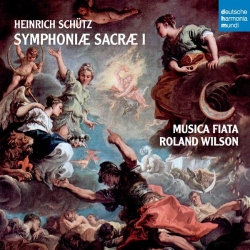
3:11
3
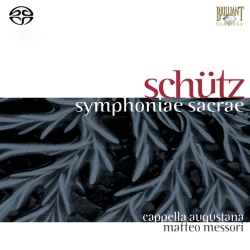
3:41