Georg Muffat
Concerto Grosso No. 11 in E minor "Delirium Amoris"
Released Album
Recent Album

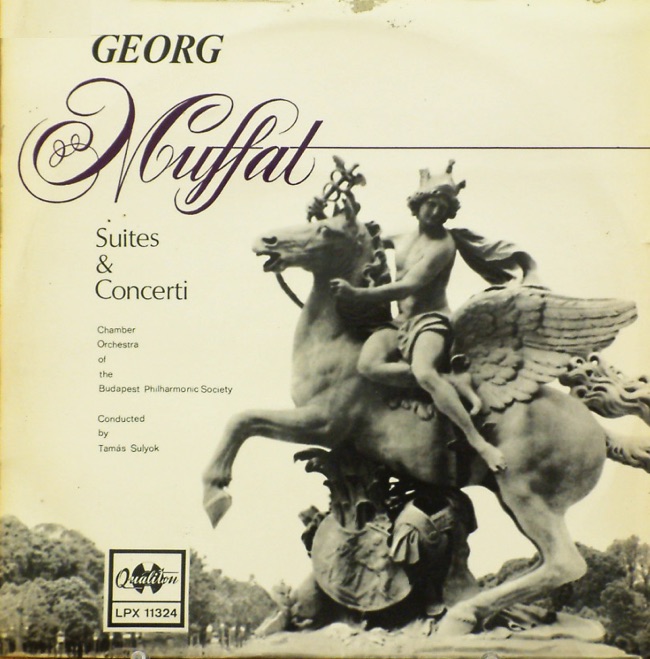
Works Info
Composer:Georg MuffatGenre:ConcertoStyle:ConcertoCompose Date:1701Publication Date:1701Average_duration:7:19Georg Muffat's Concerto Grosso No. 11 in E minor, also known as Delirium Amoris, was composed in the late 17th century. The exact date of composition is unknown, but it is believed to have been written between 1680 and 1700. The concerto was premiered in Salzburg, Austria, where Muffat was working as a court musician. The concerto is divided into six movements, each with its own unique character and style. The first movement, marked Adagio, is a slow and mournful introduction that sets the tone for the rest of the concerto. The second movement, marked Allegro, is a lively and energetic dance that features a call-and-response between the soloists and the orchestra. The third movement, marked Adagio, is a beautiful and lyrical aria that showcases the soloists' ability to play with great sensitivity and expression. The fourth movement, marked Allegro, is a fast and virtuosic dance that features intricate counterpoint and rapid-fire runs. The fifth movement, marked Adagio, is a hauntingly beautiful lament that features the soloists playing in unison. The final movement, marked Allegro, is a lively and joyful dance that brings the concerto to a rousing conclusion. One of the most notable characteristics of Delirium Amoris is its use of the concerto grosso form, which was popular in the Baroque era. In this form, a small group of soloists (in this case, two violins and a cello) are pitted against a larger ensemble (in this case, a string orchestra). The soloists are given the opportunity to showcase their virtuosity and musicality, while the orchestra provides a rich and supportive backdrop. Another characteristic of the concerto is its use of contrasting moods and emotions. The concerto moves seamlessly from moments of great beauty and tenderness to moments of frenzied energy and excitement. This creates a sense of drama and tension that keeps the listener engaged throughout the entire piece. Overall, Delirium Amoris is a stunning example of Baroque music at its finest. Its intricate counterpoint, virtuosic solo passages, and emotional depth make it a true masterpiece of the genre.More....
Works Music
Released Music
1
54
4
7:45