Johannes Brahms
Canon for piano in F minor, Anh. 3/2
Released Album
Recent Album
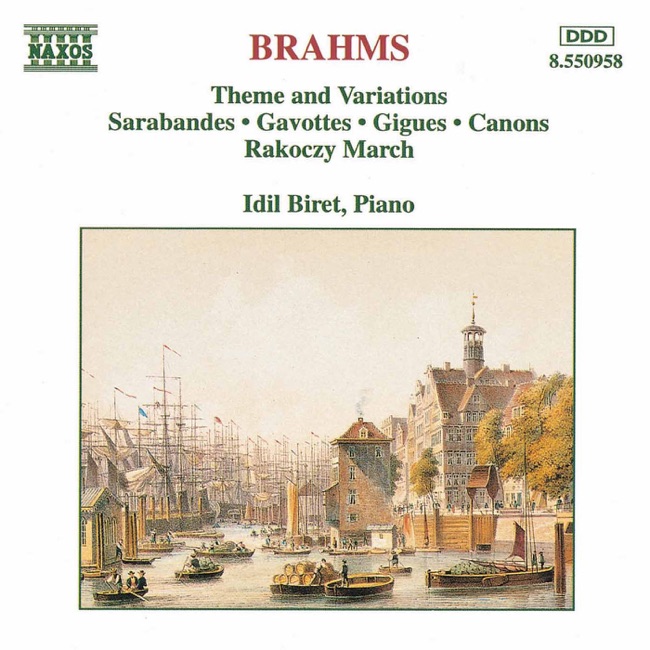
Featured Album
Works Info
Composer:Johannes BrahmsGenre:KeyboardStyle:CanonCompose Date:1864Average_duration:0:50Johannes Brahms' "Canon for piano in F minor, Anh. 3/2" is a short but powerful piece of music that showcases the composer's mastery of counterpoint. The piece was composed in the mid-1860s, although the exact date is unknown. It was not published during Brahms' lifetime and was only discovered in the 1930s. The canon is a single movement piece that lasts just over a minute. It is written for solo piano and is in the key of F minor. The piece is structured as a canon, which means that the melody is repeated at different intervals throughout the piece. In this case, the melody is repeated at the interval of a fifth. The canon begins with a simple, melancholic melody in the right hand. The left hand enters a fifth below, playing the same melody but starting on a different note. The two hands continue to play the melody in this way, creating a haunting and beautiful sound. As the piece progresses, Brahms adds more complexity to the canon, with the two hands playing different rhythms and variations of the melody. One of the most striking characteristics of the canon is its use of dissonance. Brahms was known for his use of chromaticism and dissonance in his music, and this piece is no exception. The two hands often play notes that clash with each other, creating a sense of tension and unease. However, Brahms always resolves these dissonances in a satisfying way, creating a sense of resolution and closure. Overall, Brahms' "Canon for piano in F minor, Anh. 3/2" is a beautiful and haunting piece of music that showcases the composer's mastery of counterpoint and his unique use of dissonance. Despite its short length, the piece is a powerful example of Brahms' musical genius.More....
Works Music
Released Music

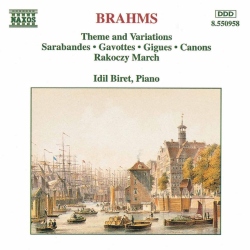
Featured Music