


Jacques Hotteterre
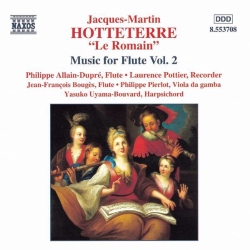
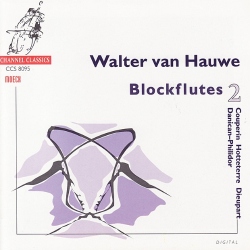
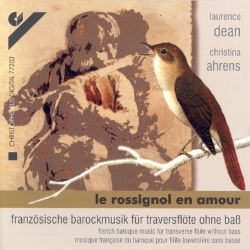
Deuxième Suitte de Pièces, Op. 6
Released Album
Recent Album

Works Info
Composer:Jacques HotteterreGenre:ChamberStyle:Chamber MusicCompose Date:1715Publication Date:1715Average_duration:17:53Movement_count:11Movement ....Deuxième Suitte de Pièces, Op. 6 is a collection of baroque music composed by Jacques Hotteterre. It was composed in the early 18th century and premiered in Paris, France. The suite consists of six movements, each with its own unique characteristics. The first movement, titled "Prelude," is a lively and energetic piece that sets the tone for the rest of the suite. It features a fast-paced melody played on the flute, accompanied by a simple bass line. The second movement, "Allemande," is a slower, more contemplative piece. It features a more complex melody played on the flute, with a more intricate bass line. The third movement, "Courante," is a fast and lively dance. It features a playful melody played on the flute, with a driving bass line that propels the piece forward. The fourth movement, "Sarabande," is a slow and stately dance. It features a simple, yet elegant melody played on the flute, with a gentle bass line that provides a sense of stability and balance. The fifth movement, "Menuet," is a light and graceful dance. It features a charming melody played on the flute, with a delicate bass line that adds a sense of refinement and sophistication. The final movement, "Gigue," is a fast and lively dance. It features a lively melody played on the flute, with a driving bass line that creates a sense of excitement and energy. Overall, Deuxième Suitte de Pièces, Op. 6 is a beautiful example of baroque music. It showcases Hotteterre's skill as a composer and his ability to create music that is both elegant and lively. The suite is a testament to the beauty and complexity of baroque music, and it remains a beloved piece of music to this day.More....
Works Music
Released Music
1
3:34
3
4:11
8
18:9
Main Perform Artists
Transverse Flute
Viola da Gamba
Flute
Theorbo