


Jacques Hotteterre
Released Album
Chamber
-
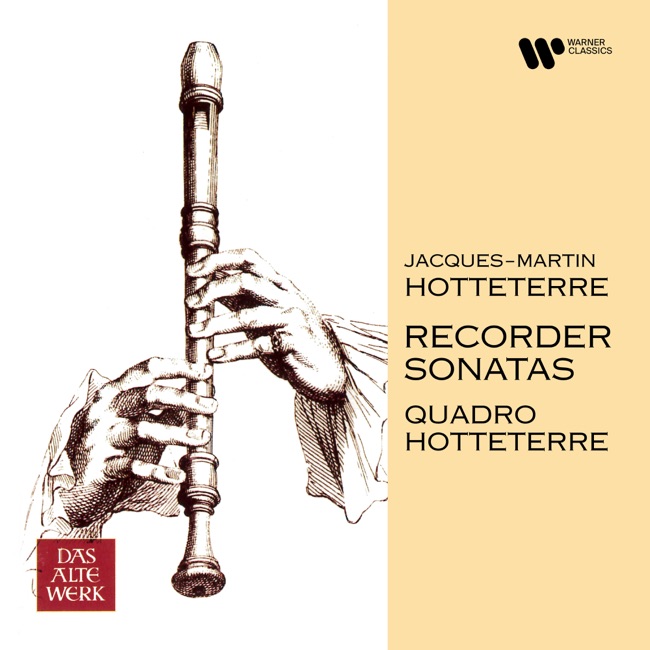 September 27, 2024
 -

-
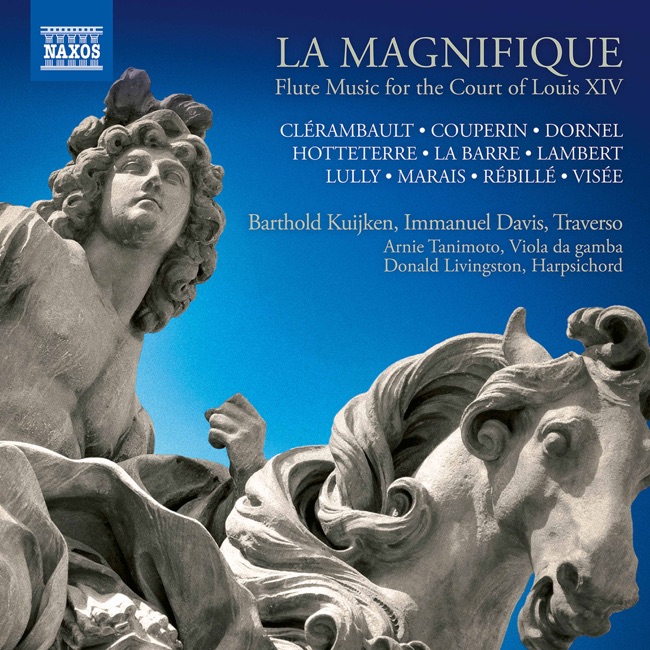 February 12, 2021
 -
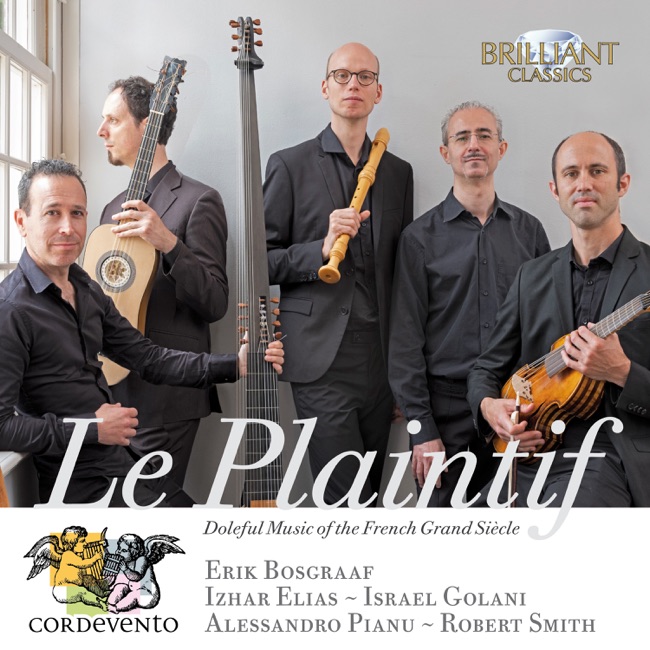 January 22, 2021
 -
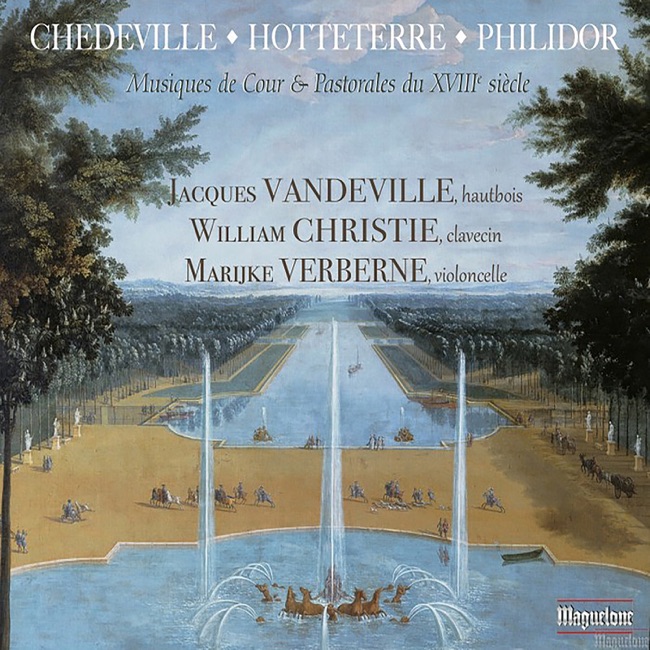
-
 March 27, 2020
Miscellaneous
-
 January 1, 1991
Artist Info
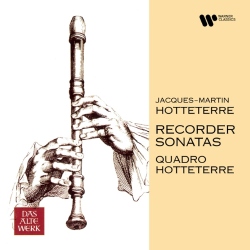
Role:ComposerCountry: FranceBirth:September 29, 1674Death:July 16, 1763 in Paris, FrancePeriod:BaroqueGenre:ChamberJacques Hotteterre was a French composer and musician who lived during the Baroque period. He was born in Paris in 1674, into a family of musicians. His father, Martin Hotteterre, was a well-known flutist and composer, and his uncle, Nicolas Hotterre, was a bassoonist and composer. Jacques Hotteterre was the youngest of three brothers, all of whom became musicians. Jacques Hotteterre began his musical education at a young age, studying the flute with his father. He also learned to play the oboe and bassoon, and became proficient on both instruments. In addition to his instrumental studies, he also received training in music theory and composition. In 1698, Jacques Hotteterre was appointed to the court of Louis XIV as a musician. He played in the king's chamber orchestra, and also performed in various other ensembles. He quickly gained a reputation as one of the finest flutists in France, and his compositions were highly regarded. Hotteterre's compositions were primarily for the flute, and he is considered one of the most important composers for the instrument during the Baroque period. His works include sonatas, suites, and other pieces for solo flute, as well as chamber music for various combinations of instruments. One of Hotteterre's most important contributions to the flute repertoire was his treatise on flute playing, published in 1707. The treatise, titled "Principes de la Flute Traversiere," was one of the first comprehensive guides to playing the flute, and it had a significant impact on the development of flute technique and performance practice. Hotteterre's music is characterized by its elegance, grace, and lyricism. His works often feature intricate ornamentation and virtuosic passages, and he was known for his ability to create beautiful melodies that showcased the expressive capabilities of the flute. Some of Hotteterre's most famous works include his six suites for solo flute, which were published in 1715. These suites are considered some of the most important works for solo flute from the Baroque period, and they continue to be performed and studied by flutists today. In addition to his compositions for the flute, Hotteterre also wrote music for other instruments, including the harpsichord and the viola da gamba. He was also a skilled improviser, and his performances were often praised for their spontaneity and creativity. Hotteterre's influence on the development of flute playing and composition cannot be overstated. His treatise on flute playing was widely read and studied, and his compositions continue to be performed and admired by musicians and audiences around the world. Jacques Hotteterre died in Paris in 1763, at the age of 89. His legacy as a composer and musician lives on, and his contributions to the development of the flute as a solo instrument continue to be celebrated today.More....
Recent Artist Music
1
The Art of Prelude on the Flute, Op. 7: Prelude in D major
L' Art de préluder sur la flûte traversière: Prelude in D major
4:23
2
The Art of Prelude on the Flute, Op. 7: Prelude in D major
Prelude en G.Re, Sol 3ce. Mineure (L'Art de Preluder)
3:25
3
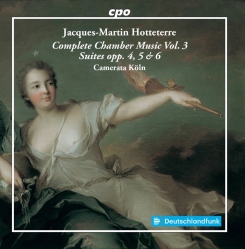
1:47
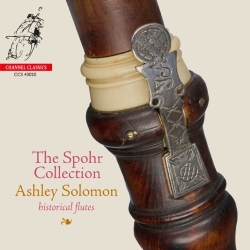
6
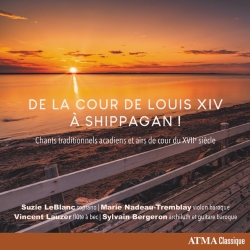
Work(s) for recorder & continuous
Recueil d'airs sérieux et à boire: J'ecoûtois autrefois - Double: Je n'entens qu'à regret
5:2
8
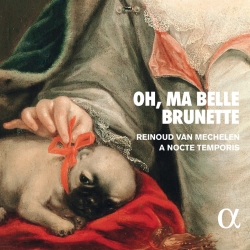
The Art of Prelude on the Flute, Op. 7: Prelude in G minor
L' Art de Préluder: Prélude en sol minéur
3:44
9
1:41
10

14:40
11
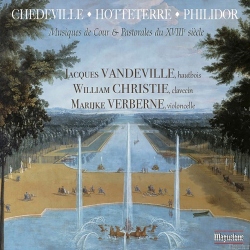
Suite for flute & continuo No. 4 in E minor, Op. 2/4 (First book)
Branle de village. l'Auteuil
37
13

1:44
14

2:26


Copyright Ⓒ 2013 Davinci Finger. All rights reseved
Service Terms & Policy