


Johann Sebastian Bach
Cantata No. 46, "Schauet doch und sehet", BWV 46
Released Album
Recent Album
-
-
-

-
 Shinji IshiharaSeptember 28, 2016
 -
-
-

-
-
-
-
-
Works Info
Composer:Johann Sebastian BachGenre:ChoralStyle:CantataCompose Date:Aug 1, 1723Publication Date:1860First Performance:Aug 1, 1723Average_duration:17:39Movement_count:6Movement ....Johann Sebastian Bach composed Cantata No. 46, Schauet doch und sehet, BWV 46, in Leipzig in 1723. The cantata was premiered on the 11th Sunday after Trinity, which fell on August 6th of that year. The work is divided into six movements and is scored for four vocal soloists, a four-part choir, and a Baroque orchestra consisting of two oboes, two violins, viola, and basso continuo. The first movement is an opening chorus that sets the tone for the entire cantata. It begins with a lively instrumental introduction that features a joyful and celebratory melody played by the oboes and violins. The choir then enters with the text "Schauet doch und sehet, ob irgend ein Schmerz sei wie mein Schmerz" (Behold and see if there be any sorrow like unto my sorrow). The music is characterized by its lively rhythms, intricate counterpoint, and rich harmonies. The second movement is a recitative for the tenor soloist, who sings the text "Mein Jesu, heisst mein Hort, mein Auge sieht stets zu ihm empor" (My Jesus is my refuge, my eyes always look up to him). The music is simple and understated, with the orchestra providing a gentle accompaniment to the soloist's words. The third movement is an aria for the bass soloist, who sings the text "Ach, wo hol ich Armer Rat?" (Ah, where do I seek counsel, poor as I am?). The music is characterized by its mournful melody and slow, deliberate tempo. The orchestra provides a somber accompaniment, with the oboes and violins playing long, sustained notes that create a sense of sadness and despair. The fourth movement is a recitative for the alto soloist, who sings the text "Wer hat dich so geschlagen, mein Heil?" (Who has struck you so, my Savior?). The music is characterized by its dramatic and emotional intensity, with the soloist's voice rising and falling in response to the text. The fifth movement is an aria for the soprano soloist, who sings the text "Und ob gleich alle Teufel" (And even if all the devils). The music is characterized by its lively and energetic tempo, with the soprano's voice soaring above the orchestra in a joyful and triumphant melody. The final movement is a chorale that brings the cantata to a close. The choir sings the text "O Haupt voll Blut und Wunden" (O sacred head, now wounded), which is set to a simple and understated melody. The music is characterized by its solemnity and reverence, with the choir's voices blending together in a beautiful and harmonious chorus. Overall, Cantata No. 46, Schauet doch und sehet, BWV 46, is a powerful and emotional work that showcases Bach's mastery of Baroque music. The cantata is characterized by its intricate counterpoint, rich harmonies, and dramatic intensity, and it remains a beloved piece of classical music to this day.More....
Works Music
Released Music
7
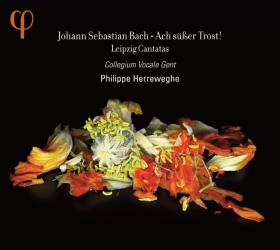
Cantata no. 46, "Look and see", BWV 46
Coro. Schauet doch und sehet, ob irgendein Schmerz sei
5:29
9
Cantata no. 46, "Look and see", BWV 46
No. 1. Coro. Schauet doch und sehet, ob irgendein Schmerz
6:45
10
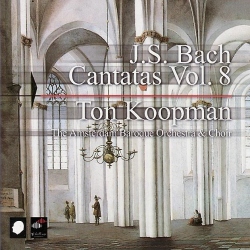
Cantata no. 46, "Look and see", BWV 46
"Schauet doch und sehet, ob irgend ein Schmerz sei", Chorus
5:38
Main Perform Artists