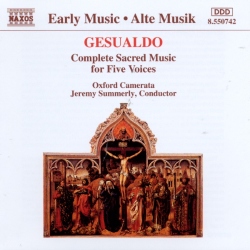
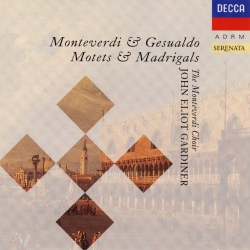
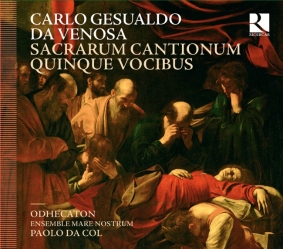
Carlo Gesualdo
Hei mihi, Domine, W. 8/30
Released Album
Recent Album
-
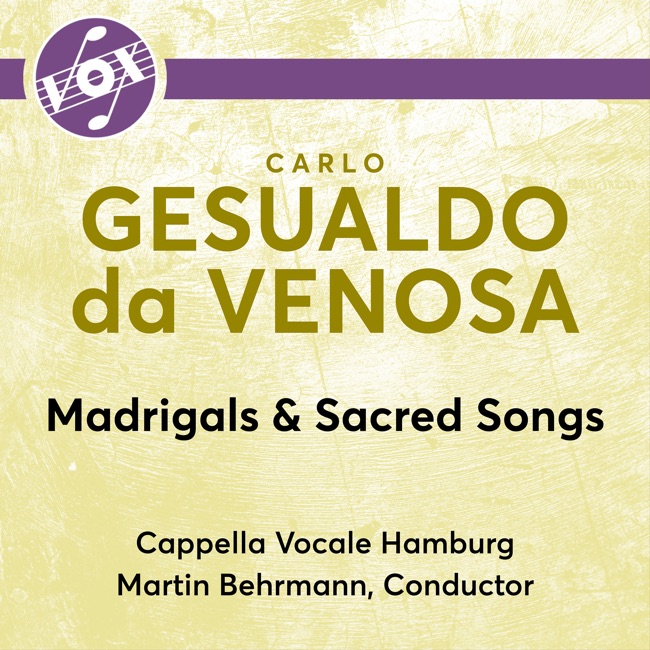
-
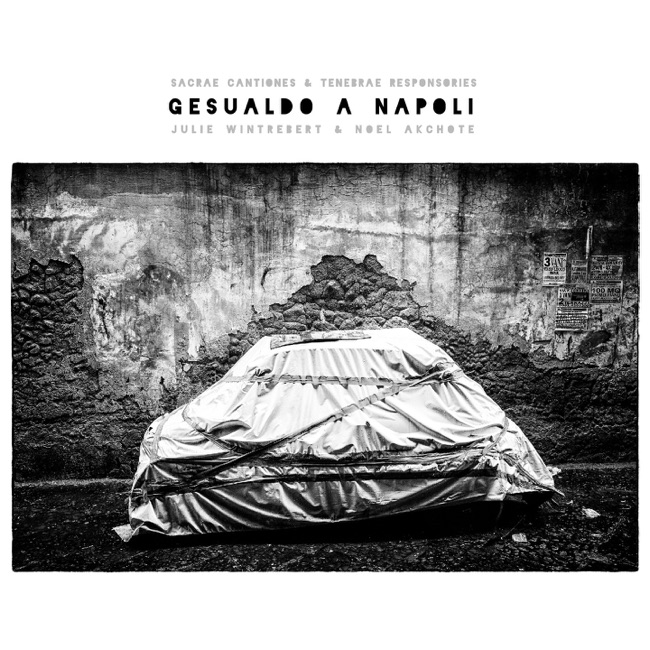 Julie WintrebertNovember 22, 2019
 -
-
-
-
-
Featured Album
Works Info
Composer:Carlo GesualdoGenre:ChoralStyle:MotetCompose Date:1603Average_duration:3:17Carlo Gesualdo, Prince of Venosa, was an Italian composer of the late Renaissance period. He is known for his highly expressive and chromatic music, which was ahead of its time and anticipated many features of Baroque music. One of his most famous works is the motet "Hei mihi, Domine," which was composed around 1600. The motet "Hei mihi, Domine" is a setting of a text from the Book of Job, in which the protagonist laments his suffering and begs for mercy from God. Gesualdo's music captures the intense emotions of the text, with its dissonant harmonies and sudden shifts in mood. The motet is divided into three movements, each with its own distinct character. The first movement begins with a mournful melody in the alto voice, accompanied by a descending chromatic bass line. The other voices gradually enter, building to a climax on the words "Hei mihi, Domine" ("Woe is me, Lord"). The music then subsides into a quiet, introspective section, with the voices weaving intricate harmonies around the text "Quare peperisti me?" ("Why did you bring me forth?"). The second movement is more agitated, with the voices overlapping and interrupting each other in a frenzy of despair. The text describes the protagonist's physical and emotional pain, and Gesualdo's music reflects this with its jagged rhythms and dissonant chords. The movement ends with a sudden, unresolved chord, leaving the listener hanging in suspense. The final movement is a prayer for mercy and forgiveness, with the voices blending together in a rich, harmonious texture. The music is more serene and hopeful than the previous movements, with a sense of resolution and acceptance. The motet ends with a gentle, descending phrase on the words "Miserere mei, Deus" ("Have mercy on me, God"), bringing the work to a peaceful close. "Hei mihi, Domine" is a masterpiece of Renaissance music, showcasing Gesualdo's unique style and emotional intensity. Its chromatic harmonies and daring dissonances were highly unusual for the time, and would influence later composers such as Bach and Stravinsky. The motet remains a powerful expression of human suffering and the search for divine mercy.More....
Works Music