Andrea Antico
Non resta in questa
Released Album
Recent Album
Works Info
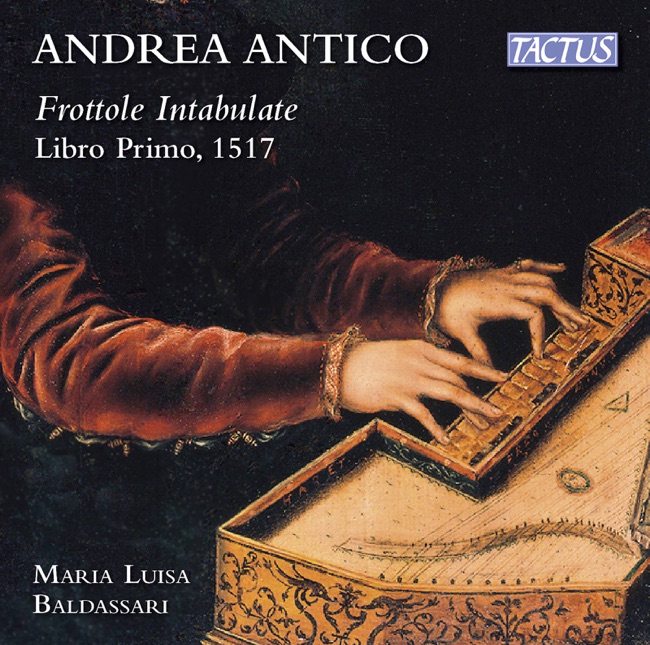
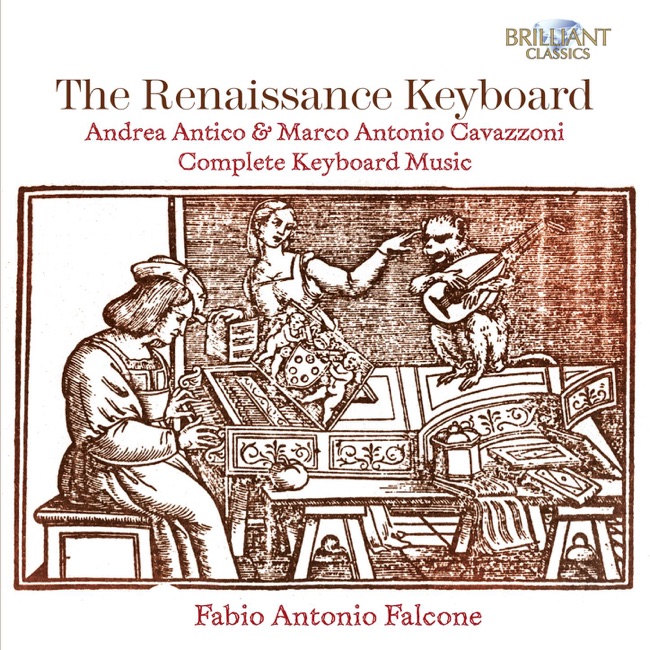
Composer:Andrea AnticoGenre:KeyboardAverage_duration:0:43'Non resta in questa' is a choral composition by Andrea Antico, an Italian composer and music printer of the Renaissance era. The piece was composed in the early 16th century and was first published in 1517 in Antico's collection of choral music, 'Frottole intabulate da sonare organi, libro primo'. The premiere of the piece is unknown, but it was likely performed in churches and courts throughout Italy during the Renaissance. The composition consists of four movements, each with its own distinct character and musical style. The first movement is a lively and rhythmic piece in triple meter, featuring a call-and-response structure between the choir and a soloist. The second movement is a slower and more contemplative piece, with a homophonic texture and rich harmonies. The third movement is a lively and dance-like piece in duple meter, featuring a syncopated rhythm and playful melodic lines. The final movement is a grand and majestic piece, with a polyphonic texture and soaring vocal lines. One of the most notable characteristics of 'Non resta in questa' is its use of word painting, a technique in which the music reflects the meaning of the text. For example, in the first movement, the rhythm of the music mimics the sound of a horse galloping, while in the third movement, the syncopated rhythm creates a sense of playful movement. Overall, 'Non resta in questa' is a beautiful and complex choral composition that showcases Antico's skill as a composer and printer of music. Its use of word painting and varied musical styles make it a fascinating piece to study and perform, and it remains a beloved work of the Renaissance choral repertoire.More....
Works Music
Released Music
1
No remained in questa
Non resta in questa valle (Frottole Intabulate per sonare organi Libro Primo, Roma 1517)
1:55