Johann Sebastian Bach
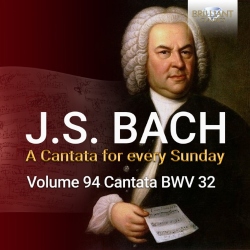
Cantata No. 32, "Liebster Jesu, mein Verlangen", BWV 32
Released Album
Recent Album
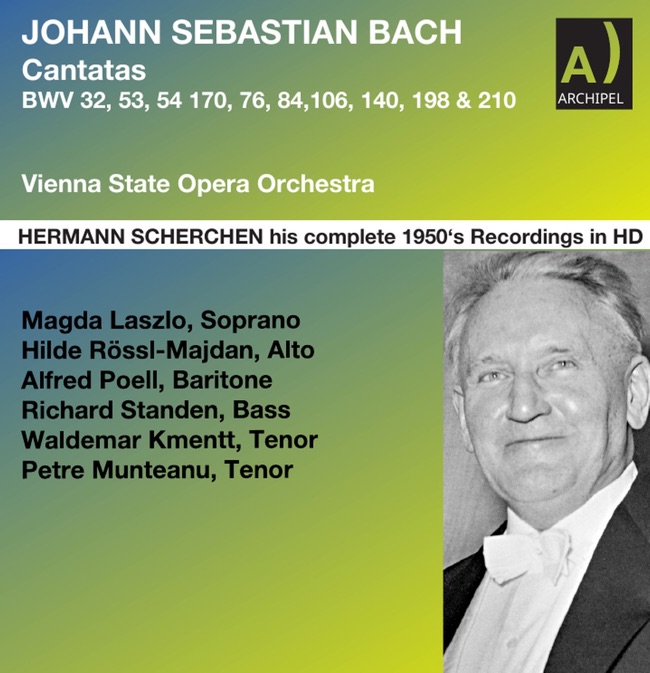
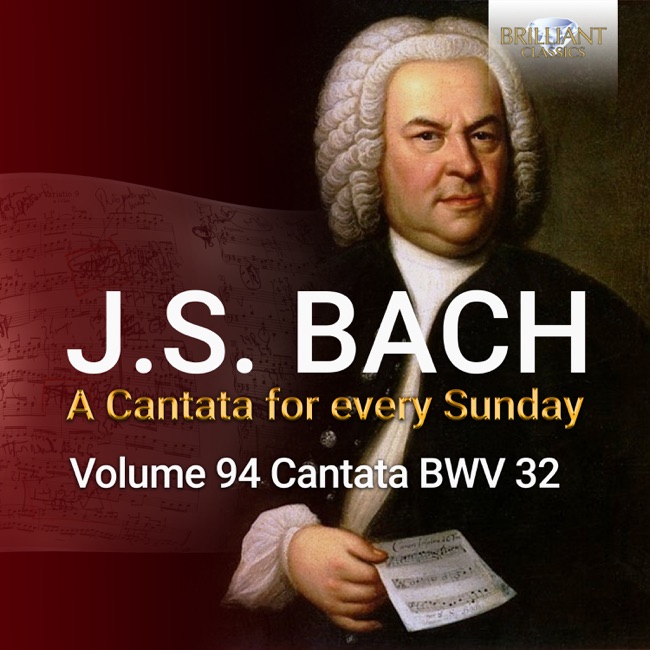
Featured Album
Works Info
Composer:Johann Sebastian BachGenre:ChoralStyle:CantataCompose Date:Jan 13, 1726Publication Date:1857First Performance:Jan 13, 1726Average_duration:22:53Movement_count:6Movement ....Johann Sebastian Bach composed Cantata No. 32, Liebster Jesu, mein Verlangen, BWV 32, in Leipzig in 1726. The cantata was premiered on the 11th Sunday after Trinity, which fell on August 6th of that year. The cantata consists of five movements, with a total running time of approximately 20 minutes. The first movement is an aria for soprano, accompanied by a solo oboe and strings. The second movement is a recitative for bass, followed by a duet for alto and tenor in the third movement. The fourth movement is a recitative for tenor, leading into the final chorale. The text of the cantata is based on a hymn by Johann Heermann, which expresses the longing of the soul for Jesus. The music is characterized by Bach's typical use of intricate counterpoint and rich harmonies, as well as his skillful handling of the vocal and instrumental forces. The first movement, "Liebster Jesu, mein Verlangen" (Dearest Jesus, my desire), is a beautiful and tender aria in which the soprano expresses her longing for Jesus. The oboe and strings provide a delicate and expressive accompaniment, while the soprano's voice soars above them in a series of graceful melodic lines. The second movement, "Ich harre deiner Gnade" (I wait for your mercy), is a recitative for bass in which the singer expresses his faith in Jesus and his trust in his mercy. The music is characterized by a sense of urgency and intensity, as the bass sings of his longing for salvation. The third movement, "Entziehe dich eilends, mein Herze, der Welt" (Quickly withdraw, my heart, from the world), is a duet for alto and tenor in which the singers urge each other to turn away from the distractions of the world and focus on their love for Jesus. The music is characterized by a lively and playful rhythm, as the two voices intertwine in a series of intricate and joyful melodies. The fourth movement, "Mein Jesus, laß mich nicht" (My Jesus, do not leave me), is a recitative for tenor in which the singer expresses his fear of being abandoned by Jesus. The music is characterized by a sense of urgency and desperation, as the tenor pleads with Jesus to stay with him and guide him on his journey. The final movement, "Jesu, meine Freude" (Jesus, my joy), is a chorale in which the singers express their love and devotion to Jesus. The music is characterized by a sense of triumph and exultation, as the voices rise in a glorious hymn of praise. Overall, Cantata No. 32, Liebster Jesu, mein Verlangen, BWV 32, is a beautiful and moving work that showcases Bach's mastery of vocal and instrumental music. Its themes of love, faith, and devotion continue to resonate with audiences today, making it a beloved and enduring masterpiece of the Baroque era.More....
Works Music
Released Music
Featured Music
5
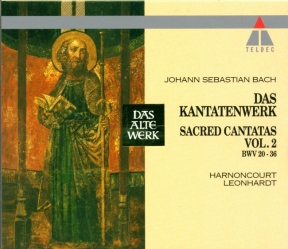
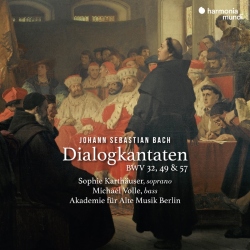
Cantata no. 32, "Beloved Jesus, my desire", BWV 32
Aria (Duetto). Nun verschwinden alle Plagen
6:3
12
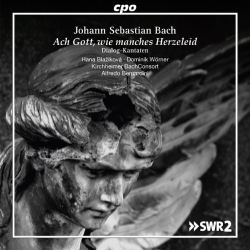
Cantata no. 32, "Beloved Jesus, my desire", BWV 32
Nr. 6 Choral Mein Gott, öffne mir die Pforten
1:10