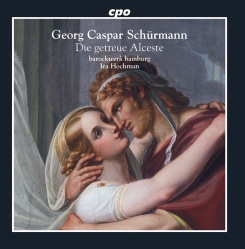
Georg Caspar Schürmann
Die getreue Alceste
Released Album
Recent Album

Featured Album

Works Info
Composer:Georg Caspar SchürmannGenre:OperaCompose Date:1719Average_duration:01:01:21Die getreue Alceste is an opera composed by Georg Caspar Schürmann in 1728. The plot of the opera is based on the Greek myth of Alcestis, who sacrifices herself to save her husband Admetus from death. The libretto was written by Johann Ulrich König and the opera was premiered in Hamburg on January 4, 1729. The opera is divided into three acts and features arias, recitatives, and choruses. The music is characterized by its use of counterpoint and its expressive melodies. The vocal parts are demanding, requiring skilled singers to perform them. The first act opens with Admetus mourning the imminent death of his wife Alceste. He is visited by Apollo, who tells him that he can be saved if someone else is willing to die in his place. Admetus asks his friends and family to sacrifice themselves for him, but they all refuse. Alceste, however, decides to sacrifice herself for her husband. In the second act, Alceste prepares for her death while Admetus mourns her loss. The god Mercury arrives and tells Admetus that he can be reunited with Alceste if he can defeat Death in a game of dice. Admetus wins the game and Death agrees to release Alceste. The final act features the reunion of Admetus and Alceste. They sing a duet expressing their love for each other and their gratitude for the sacrifice that Alceste made. The opera ends with a chorus praising the couple and their devotion to each other. Die getreue Alceste was well-received at its premiere and was performed throughout Germany and Austria in the 18th century. The opera is notable for its use of the Alcestis myth, which was a popular subject in 18th-century opera. Schürmann's music is also notable for its expressive melodies and use of counterpoint, which was a hallmark of the Baroque era.More....
Works Music
Released Music
Featured Music