Dietrich Buxtehude
Lauda anima mea Dominum, BuxWV 67
Released Album
Recent Album
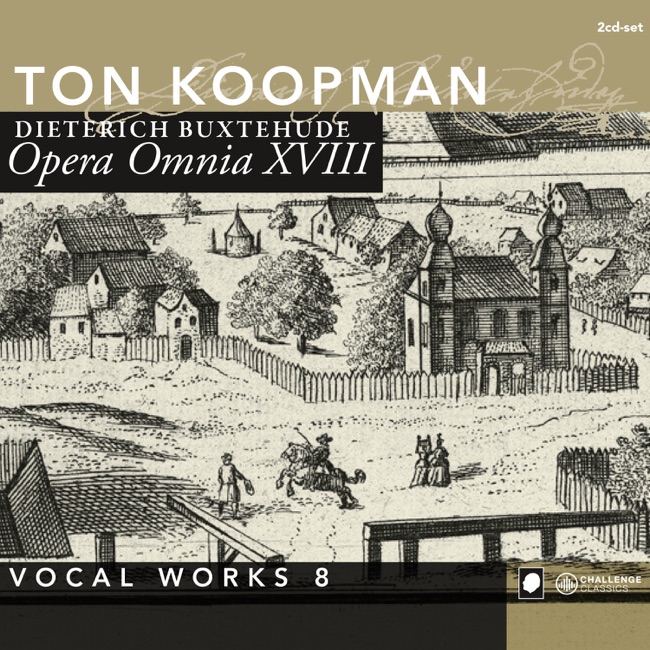
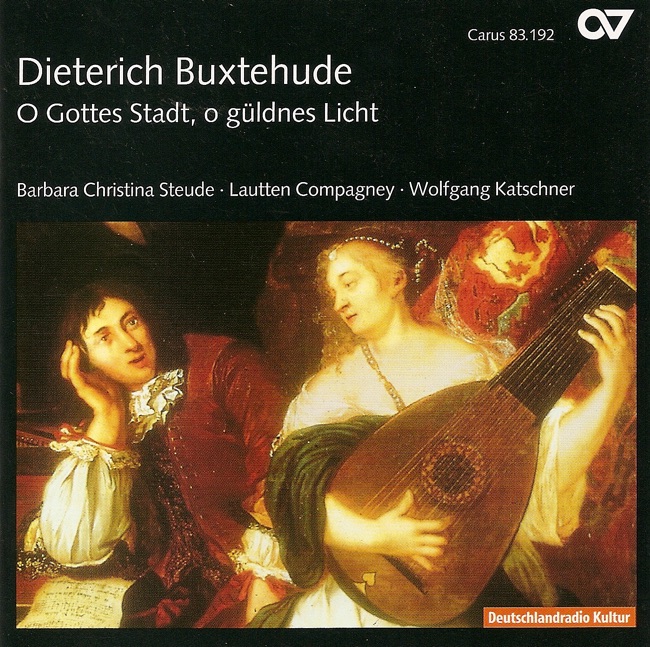
Featured Album
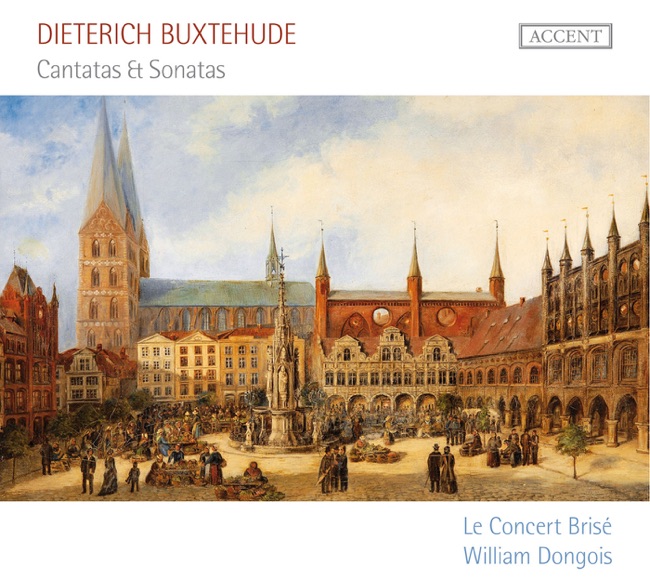
Works Info
Composer:Dietrich BuxtehudeGenre:VocalStyle:Vocal MusicAverage_duration:7:21Dietrich Buxtehude's 'Lauda anima mea Dominum, BuxWV 67' is a sacred vocal work composed for five voices, two violins, two violas, and continuo. The piece was composed in the late 17th century, during Buxtehude's tenure as the organist at the Marienkirche in Lübeck, Germany. The work is divided into five movements, each of which is based on a different verse from Psalm 146. The first movement, "Lauda anima mea Dominum," is a lively and joyful setting of the opening verse of the psalm. The second movement, "Qui facit caelum et terram," is a more contemplative and introspective setting of the second verse. The third movement, "Veritas Domini manet in aeternum," is a lively and rhythmic setting of the third verse. The fourth movement, "Sicut erat in principio," is a slower and more contemplative setting of the fourth verse. The final movement, "Gloria Patri et Filio et Spiritui Sancto," is a joyful and celebratory setting of the final verse of the psalm. The work is characterized by its rich and complex harmonies, its use of imitative counterpoint, and its skillful blending of vocal and instrumental textures. Buxtehude's use of chromaticism and dissonance in the harmonies gives the work a sense of tension and drama, while his use of imitative counterpoint creates a sense of unity and coherence throughout the piece. The vocal and instrumental parts are often closely intertwined, with the violins and violas providing a rich and colorful accompaniment to the vocal lines. 'Lauda anima mea Dominum, BuxWV 67' was likely premiered at the Marienkirche in Lübeck, where Buxtehude was known for his innovative and expressive sacred music. The work remains a popular and influential example of Baroque sacred music, and is frequently performed and recorded by choirs and ensembles around the world.More....
Works Music