Georg Philipp Telemann
Concerto da Camera, TWV 43:g3
Released Album
Recent Album
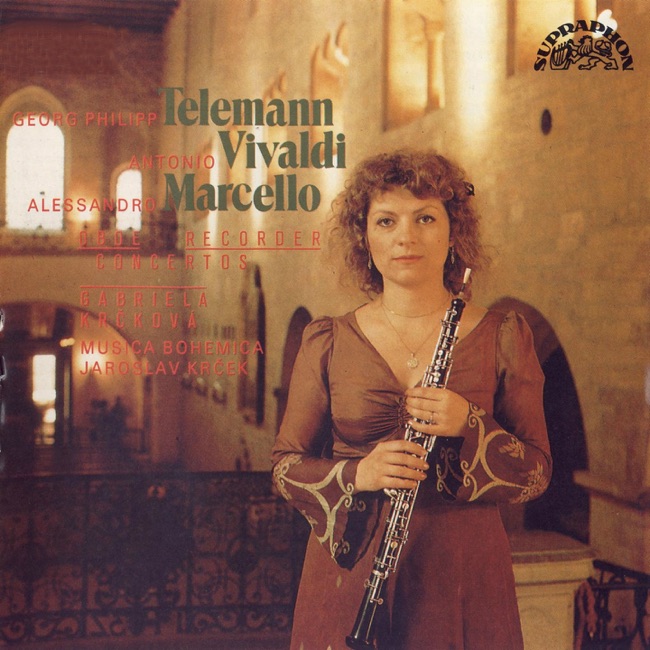
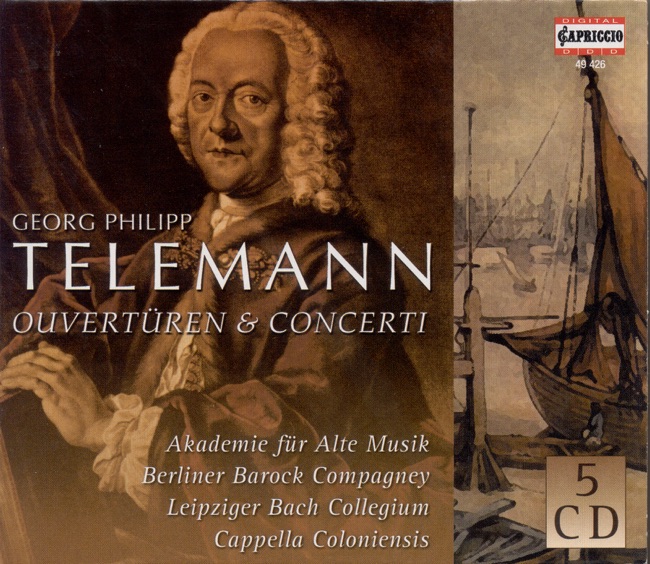
Featured Album
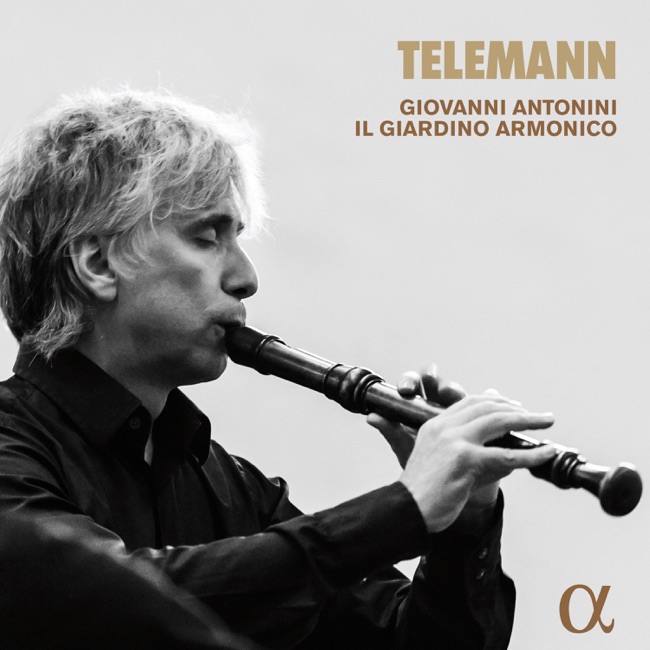
Works Info
Composer:Georg Philipp TelemannGenre:ConcertoStyle:ConcertoCompose Date:before 1768Average_duration:13:58Movement_count:4Movement ....Georg Philipp Telemann's Concerto da Camera, TWV 43:g3, is a Baroque concerto for recorder, two violins, viola, and basso continuo. It was composed in the early 18th century and premiered in Hamburg, Germany. The concerto is divided into four movements, each with its own unique characteristics. The first movement, marked Largo, is a slow and stately introduction. The recorder takes the lead, with the violins and viola providing a gentle accompaniment. The basso continuo provides a steady foundation for the ensemble. The second movement, marked Allegro, is a lively and energetic dance. The recorder and violins take turns playing the main melody, with the viola providing a counterpoint. The basso continuo provides a driving rhythm that propels the ensemble forward. The third movement, marked Largo, is a slow and expressive aria. The recorder takes center stage, with the violins and viola providing a delicate accompaniment. The basso continuo provides a gentle pulse that supports the ensemble. The fourth and final movement, marked Allegro, is a fast and lively dance. The recorder and violins take turns playing the main melody, with the viola providing a counterpoint. The basso continuo provides a driving rhythm that propels the ensemble forward. Overall, Telemann's Concerto da Camera, TWV 43:g3, is a charming and delightful work that showcases the recorder's versatility and the ensemble's ability to work together as a cohesive unit. Its four movements offer a range of moods and emotions, from stately and expressive to lively and energetic. It remains a popular work in the Baroque repertoire and is frequently performed and recorded today.More....
Works Music
Released Music
1
51
2
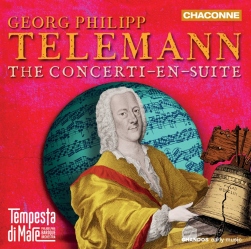
3:22
4
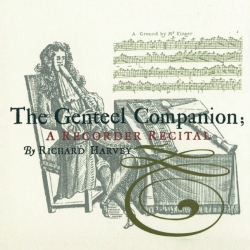
4:43
5
3:12
6
3:37
7
5:
8
3:52
9
5:
Featured Music