


Johann Sebastian Bach
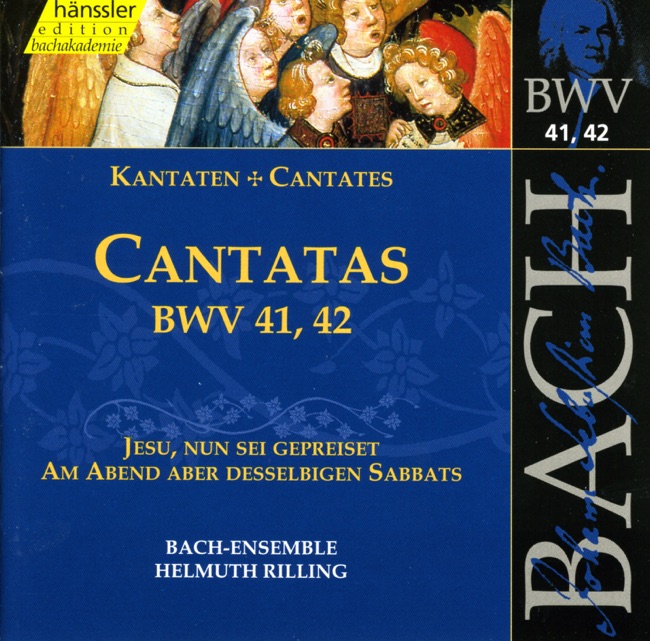
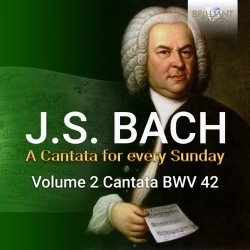
Cantata No. 42, "Am Abend aber desselbigen Sabbaths", BWV 42
Released Album
Recent Album

Featured Album
Works Info
Composer:Johann Sebastian BachGenre:ChoralStyle:CantataCompose Date:Apr 8, 1725Publication Date:1860First Performance:Apr 8, 1725Average_duration:28:05Movement_count:7Movement ....Johann Sebastian Bach composed Cantata No. 42, Am Abend aber desselbigen Sabbaths, BWV 42, in Leipzig in 1725. The cantata was premiered on April 8, 1725, which was the first Sunday after Easter. The cantata is divided into seven movements and is scored for four vocal soloists, a four-part choir, and a Baroque orchestra consisting of two oboes, two violins, viola, and basso continuo. The first movement is an instrumental sinfonia that sets the tone for the cantata. It is a lively and joyful piece that features the oboes and violins in a playful dialogue. The second movement is a duet for soprano and bass that reflects on the events of Easter Sunday. The soprano sings of the joy and wonder of the resurrection, while the bass responds with a reminder of the suffering that led to it. The third movement is a recitative for tenor that describes the disciples' fear and confusion after the crucifixion. The tenor sings of the disciples' disbelief and their struggle to understand what has happened. The fourth movement is a chorale that reflects on the peace and comfort that comes from faith in Christ. The choir sings a simple and beautiful melody that is accompanied by the orchestra. The fifth movement is a recitative for bass that describes the disciples' encounter with the risen Christ. The bass sings of the disciples' amazement and joy at seeing Christ alive again. The sixth movement is a duet for alto and tenor that reflects on the power of Christ's resurrection. The alto sings of the hope and salvation that comes from Christ's victory over death, while the tenor responds with a reminder of the suffering that led to it. The final movement is a chorale that celebrates the joy and wonder of Easter. The choir sings a joyful and triumphant melody that is accompanied by the orchestra. Overall, Cantata No. 42 is a beautiful and uplifting work that reflects on the events of Easter and the hope and joy that comes from faith in Christ. Bach's masterful use of vocal and instrumental textures, as well as his skillful handling of the text, make this cantata a true masterpiece of Baroque music.More....
Works Music
Released Music
1
6:12
2

6:51
3
6:51
4
Cantata no. 42, "But in the evening of the same Sabbath", BWV 42
VI. Aria. Jesus ist ein Schild der Seinen
3:33
5
Cantata no. 42, "But in the evening of the same Sabbath", BWV 42
Verleih uns Frieden gnädlich
2:6
6
5:58
7
6:51
8

5:17
10
6:44
Featured Music
2
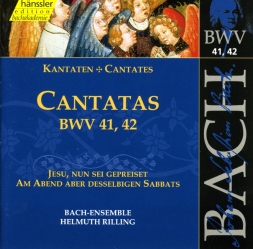
Cantata no. 42, "But in the evening of the same Sabbath", BWV 42
No. 2. Recitative. Am Abend aber desselbigen Sabbats
32
3
Cantata no. 42, "But in the evening of the same Sabbath", BWV 42
No. 3. Aria. Wo zwei und drei versammelt sind
12:9
4
Cantata no. 42, "But in the evening of the same Sabbath", BWV 42
No. 4. Choral e Duet. Verzage nicht, o Häuflein klein
2:3
5
Cantata no. 42, "But in the evening of the same Sabbath", BWV 42
No. 5. Recitative. Mann kann hiervon ein schön Exempel sehen
53
6
Cantata no. 42, "But in the evening of the same Sabbath", BWV 42
No. 6. Aria. Jesus ist ein Schild der Seinen
3:27
7
Cantata no. 42, "But in the evening of the same Sabbath", BWV 42
No. 7. Choral. Verleih uns Frieden gnädiglilch
2:21
8
7:23
Main Perform Artists
Bass (Vocal)
Soprano (Vocal)
Bass Vocal
Soprano Vocal