Zoltán Kodály
The Son of an Enslaved Country
Released Album
Recent Album
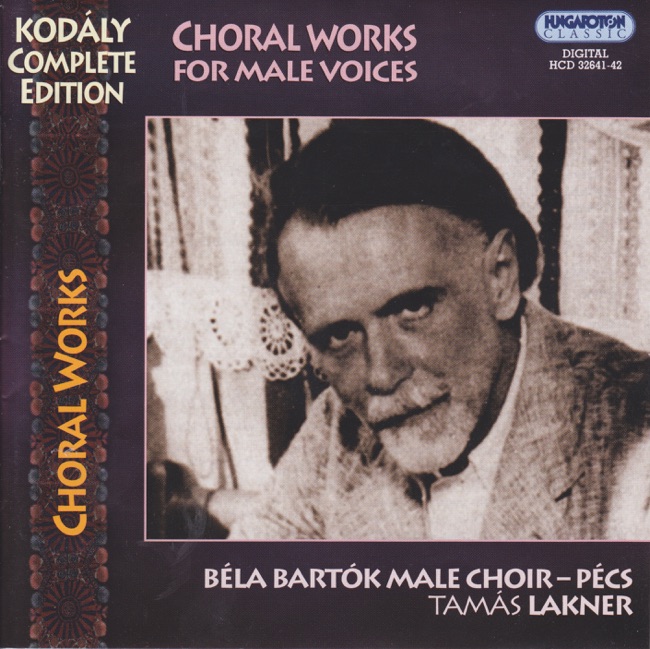
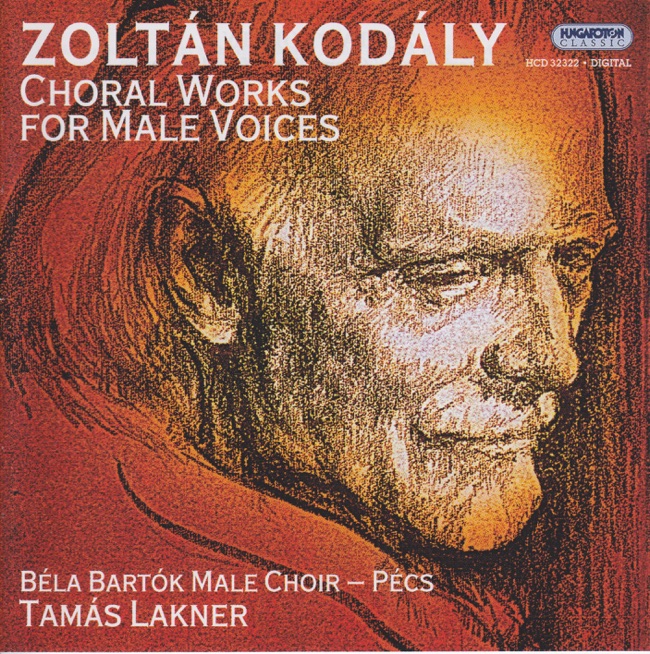
Works Info
Composer:Zoltán KodályGenre:ChoralStyle:ChoralCompose Date:1944Publication Date:1947Average_duration:2:49Zoltán Kodály's "The Son of an Enslaved Country" is a choral work that was composed in 1939. It premiered in Budapest on December 10, 1939, and was performed by the Hungarian Radio Choir under the direction of László Somogyi. The work is divided into three movements, each of which is characterized by its use of Hungarian folk melodies and rhythms. The first movement, "The Song of the Captive," is a mournful lament that reflects the suffering of the Hungarian people under foreign rule. The music is slow and somber, with a sense of resignation and despair. The choir sings in unison, with occasional harmonies that add depth and richness to the sound. The second movement, "The Song of the Oppressed," is more upbeat and energetic. It features a lively folk melody that is accompanied by a driving rhythm. The choir sings in harmony, with different sections taking turns to sing the melody. The music is full of passion and energy, reflecting the resilience and determination of the Hungarian people in the face of adversity. The final movement, "The Song of Freedom," is a triumphant celebration of Hungary's liberation from foreign rule. The music is fast and lively, with a sense of joy and exuberance. The choir sings in harmony, with different sections joining together to create a powerful and uplifting sound. The music is full of Hungarian folk motifs and rhythms, giving it a distinctly nationalistic flavor. Overall, "The Son of an Enslaved Country" is a powerful and moving work that reflects the struggles and triumphs of the Hungarian people. It is characterized by its use of folk melodies and rhythms, which give the music a distinctly Hungarian flavor. The work is a testament to Kodály's skill as a composer and his deep love for his country and its people.More....
Works Music
Released Music