Tomás Luis de Victoria
Missa Pro defunctis I
Released Album
Recent Album
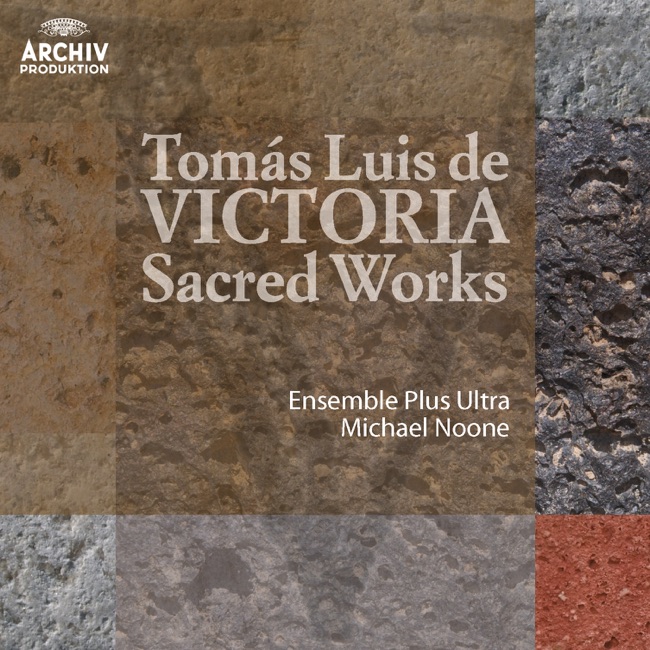
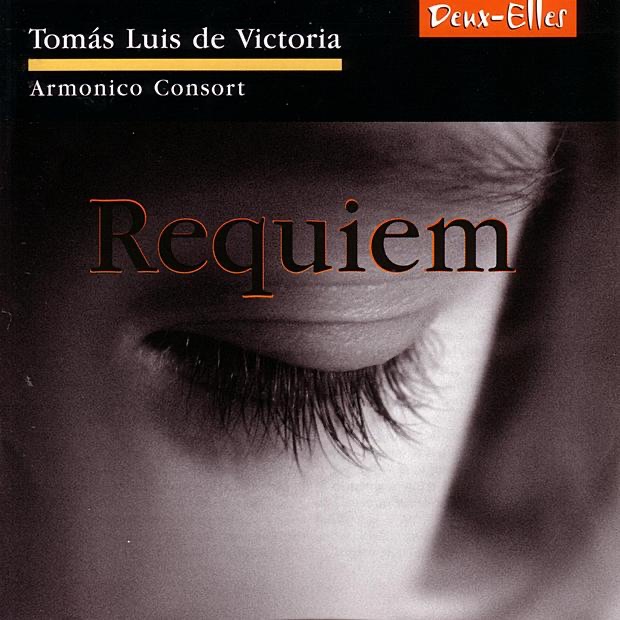
Works Info
Composer:Tomás Luis de VictoriaGenre:ChoralStyle:MassPublication Date:1583Average_duration:35:53Tomás Luis de Victoria was a Spanish composer of the Renaissance period, known for his sacred music. One of his most famous works is the 'Missa Pro defunctis I', also known as the Requiem Mass. This piece was composed in the late 16th century, around 1603, and was premiered in Madrid, Spain. The 'Missa Pro defunctis I' is a six-movement work, consisting of the following parts: Introitus, Kyrie, Graduale, Offertorium, Sanctus-Benedictus, and Agnus Dei. The piece is written for four voices, with the soprano, alto, tenor, and bass parts all having equal importance. The text of the mass is in Latin and is based on the Catholic funeral liturgy. The Introitus is a somber and mournful piece, setting the tone for the rest of the mass. The Kyrie is a plea for mercy, with the repeated phrase "Kyrie eleison" (Lord, have mercy) sung by the choir. The Graduale is a slow and contemplative piece, with the text "Requiem aeternam dona eis, Domine" (Grant them eternal rest, O Lord) sung by the choir. The Offertorium is a more upbeat piece, with the text "Domine Jesu Christe, Rex gloriae" (Lord Jesus Christ, King of glory) sung by the choir. The Sanctus-Benedictus is a joyful piece, with the text "Sanctus, Sanctus, Sanctus Dominus Deus Sabaoth" (Holy, Holy, Holy Lord God of hosts) sung by the choir. The Agnus Dei is a prayer for peace, with the text "Agnus Dei, qui tollis peccata mundi" (Lamb of God, who takes away the sins of the world) sung by the choir. Overall, the 'Missa Pro defunctis I' is a powerful and emotional work, reflecting the solemnity and reverence of the Catholic funeral liturgy. Victoria's use of polyphony and harmony creates a rich and complex sound, adding to the depth and beauty of the piece. It remains a beloved work of sacred music to this day.More....
Works Music
Released Music