György Ligeti
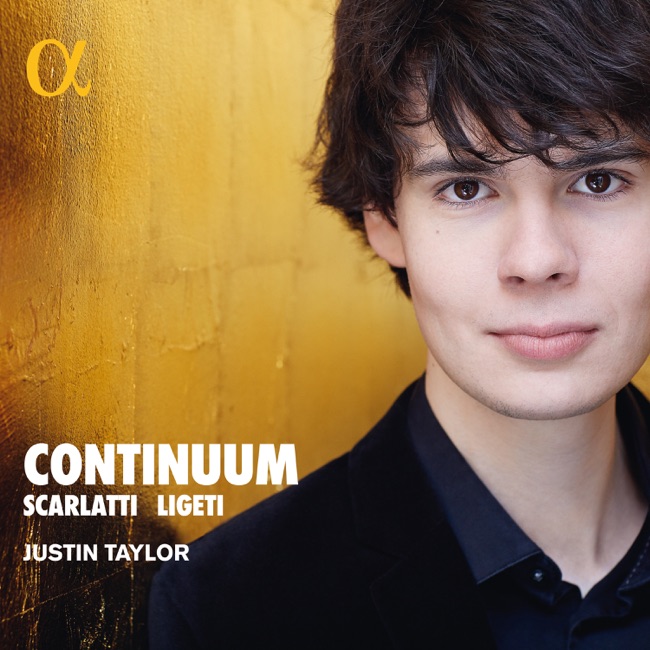
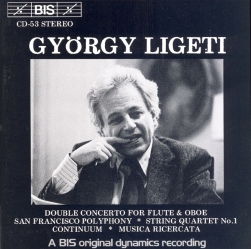
Continuum
Released Album
Recent Album

Featured Album
Works Info
Composer:György LigetiGenre:KeyboardStyle:PieceCompose Date:1968Average_duration:3:59Continuum is a solo piano piece composed by Hungarian composer György Ligeti in 1968. The piece was premiered on October 14, 1968, in Donaueschingen, Germany, by pianist Karl-Heinz Kämmerling. The piece is divided into two movements, with a total duration of approximately six minutes. The first movement is marked "molto rubato" and is characterized by a continuous stream of rapidly ascending and descending chromatic scales. The second movement is marked "presto" and features a series of rapid, staccato chords that alternate between the hands. One of the most notable characteristics of Continuum is its use of micropolyphony, a technique that Ligeti developed in the 1960s. Micropolyphony involves the layering of multiple independent lines of music, each with its own rhythm and contour, to create a dense, complex texture. In Continuum, Ligeti uses micropolyphony to create a sense of perpetual motion and to blur the boundaries between melody and harmony. Another notable characteristic of Continuum is its use of extreme registers of the piano. The piece begins with a series of high-pitched, rapid scales that gradually descend into the lower register of the piano. The second movement features a series of low, staccato chords that alternate with high, piercing notes. Overall, Continuum is a challenging and virtuosic piece that showcases Ligeti's innovative approach to composition. Its use of micropolyphony and extreme registers of the piano make it a landmark work in the development of contemporary classical music.More....
Works Music
Released Music

6
3:41
Featured Music