


Franz Berwald
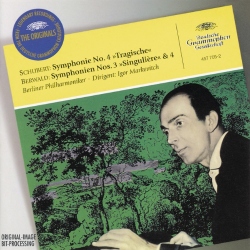
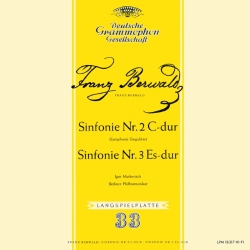
Symphony No. 3 in C, "Sinfonie Singulière"
Released Album
Recent Album
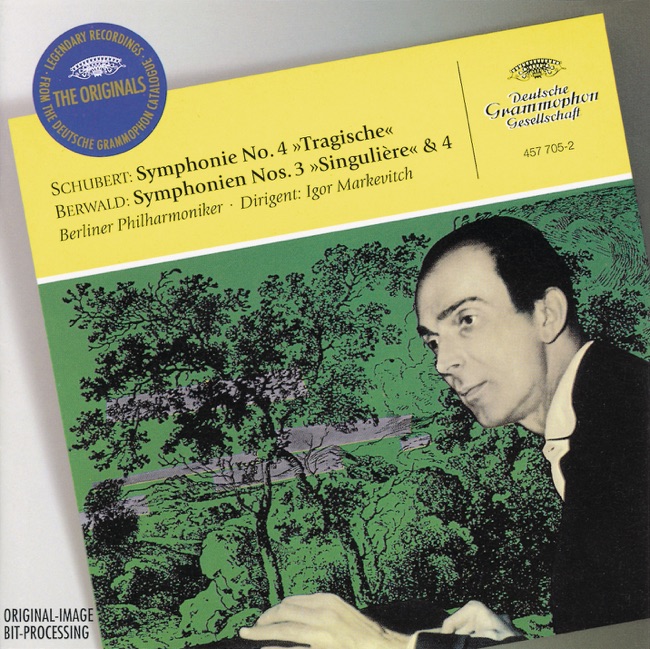
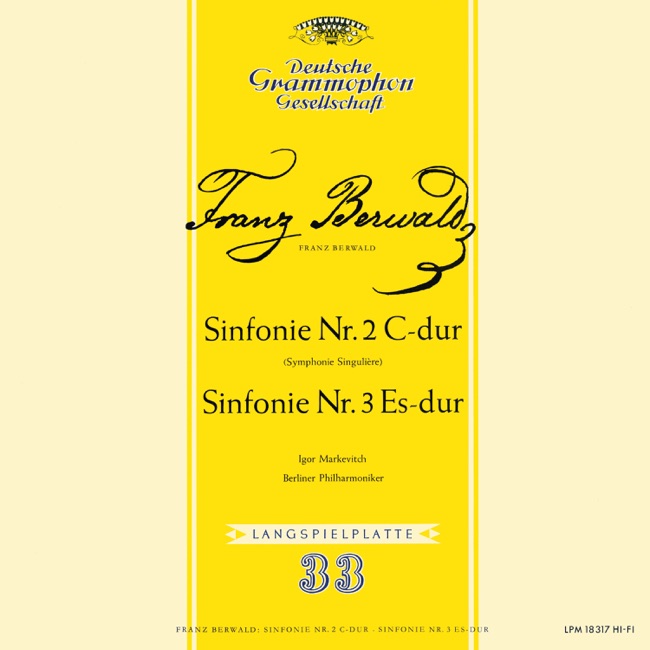
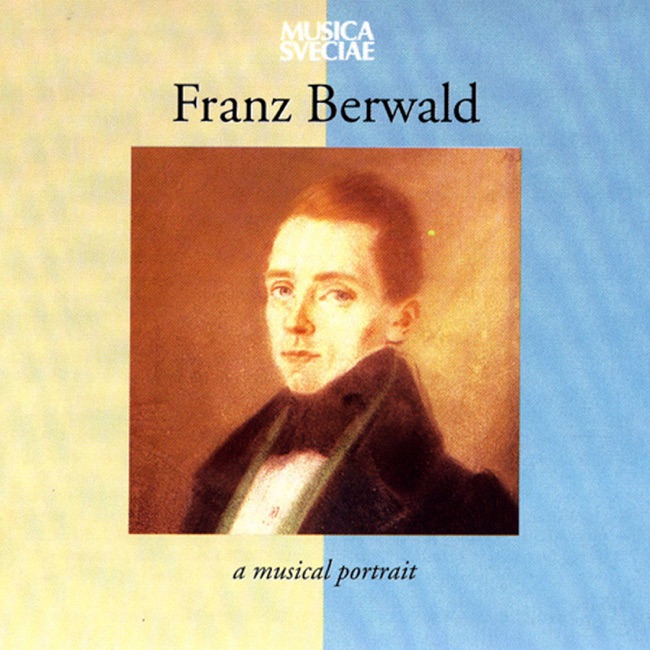
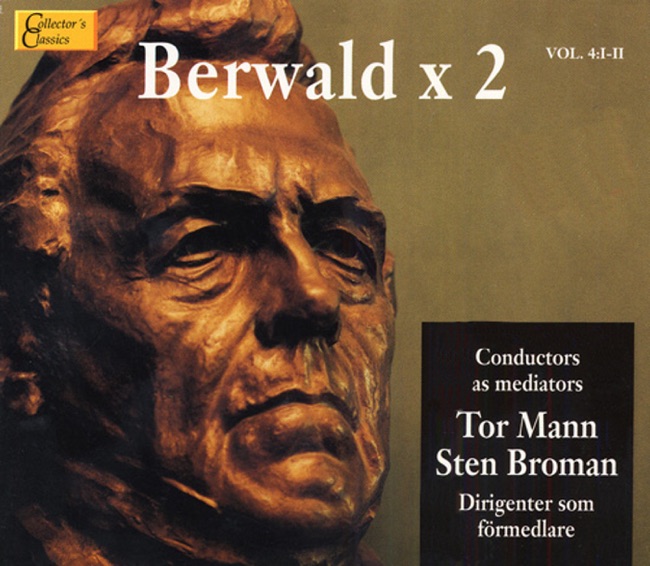

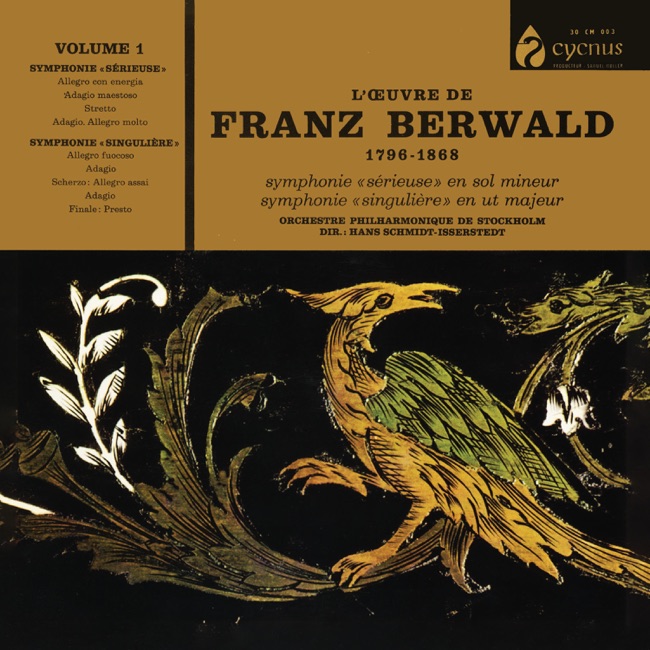
Featured Album
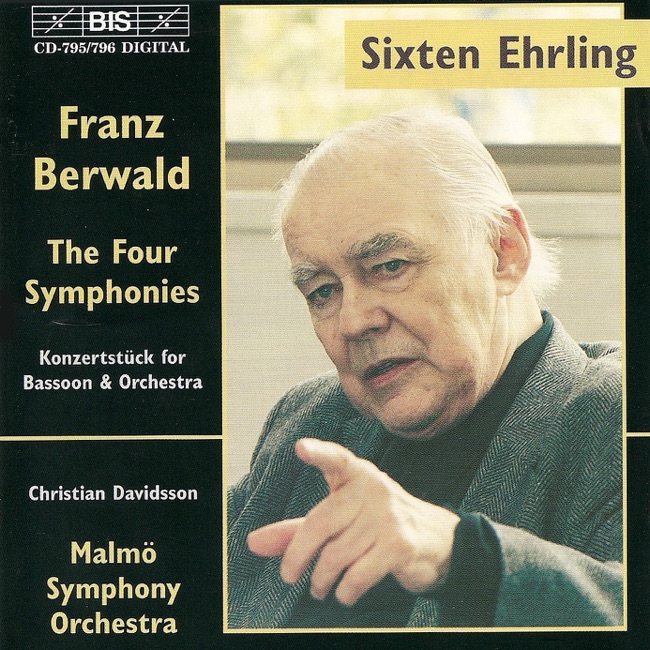
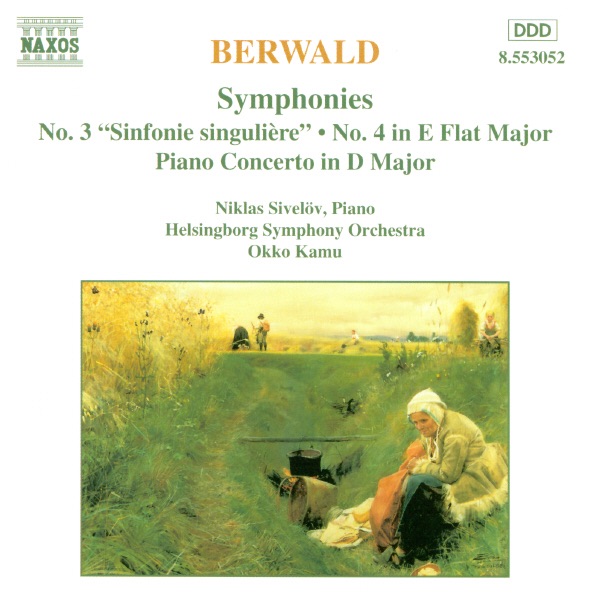
Works Info
Composer:Franz BerwaldGenre:SymphonyStyle:SymphonyCompose Date:1845Average_duration:30:16Movement_count:3Movement ....Franz Berwald's Symphony No. 3 in C, also known as Sinfonie Singulière, was composed in 1845 and premiered in Stockholm in 1847. The symphony is unique in its structure, as it only has two movements instead of the traditional four. The first movement, marked Allegro fuocoso, begins with a fiery and energetic theme in the strings, which is then passed on to the woodwinds and brass. The development section features a lyrical theme in the oboe, which is then developed and expanded upon by the rest of the orchestra. The movement ends with a reprise of the opening theme, but with added complexity and intensity. The second movement, marked Adagio, is a beautiful and introspective piece that showcases Berwald's skill in orchestration. The movement begins with a haunting melody in the strings, which is then joined by the woodwinds and brass. The middle section features a solo for the clarinet, which is then echoed by the rest of the orchestra. The movement ends with a return to the opening theme, but with added depth and complexity. One of the characteristics of Sinfonie Singulière is Berwald's use of unconventional harmonies and chord progressions. He also employs a wide range of orchestral colors and textures, particularly in the second movement. The symphony is also notable for its use of rhythmic complexity and syncopation. Overall, Sinfonie Singulière is a unique and innovative work that showcases Berwald's skill as a composer. Its unconventional structure and use of harmonies and orchestration make it a standout piece in the Romantic repertoire.More....
Works Music
Released Music

Featured Music

8
10:21