


Count Unico-Wilhelm Van Wassenaer
Concerto No. 4 in G major
Released Album
Recent Album
Works Info
Composer:Count Unico-Wilhelm Van WassenaerGenre:OrchestralStyle:ConcertoCompose Date:1755Average_duration:10:16Movement_count:4Movement ....Count Unico-Wilhelm Van Wassenaer's Concerto No. 4 in G major is a Baroque concerto for string orchestra. It was composed in the early 18th century, but the exact date is unknown. The concerto was first premiered in the Hague, Netherlands, where Van Wassenaer served as a diplomat and amateur musician. The concerto consists of three movements: Allegro, Largo, and Allegro. The first movement is in a fast tempo and features a lively and energetic melody. The second movement, Largo, is slower and more contemplative, with a beautiful and expressive melody. The final movement returns to a fast tempo and features a lively and playful melody. One of the characteristics of Van Wassenaer's Concerto No. 4 is its use of counterpoint, a technique in which two or more melodies are played simultaneously. This creates a rich and complex texture that is typical of Baroque music. The concerto also features a variety of musical forms, including fugues and dance movements. Another notable characteristic of the concerto is its use of ornamentation, which was a common feature of Baroque music. Ornamentation refers to the embellishments and decorations added to the melody, such as trills, turns, and grace notes. These ornaments add a sense of virtuosity and elegance to the music. Overall, Van Wassenaer's Concerto No. 4 in G major is a beautiful and lively example of Baroque music. Its use of counterpoint, ornamentation, and varied musical forms make it a rich and complex work that is still enjoyed by audiences today.More....
Works Music
Released Music
2
2:10
4
2:23
5
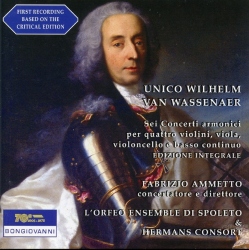
1:59
6
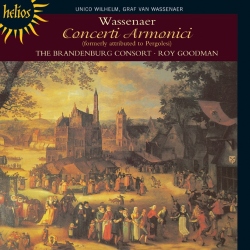
2:23
8
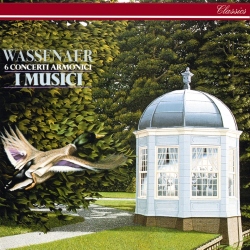
3:19