William Alwyn
Concerto Grosso No. 1 in B flat
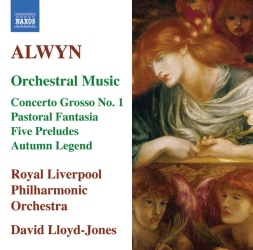
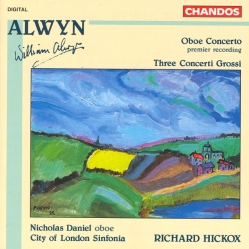
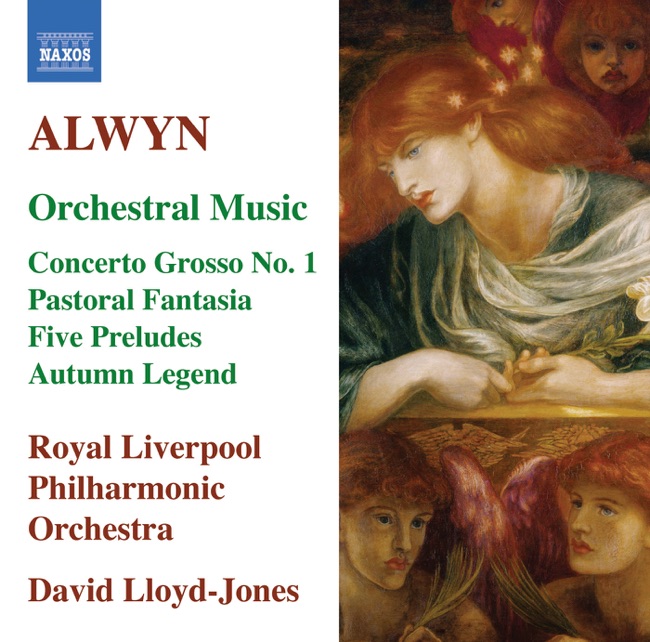
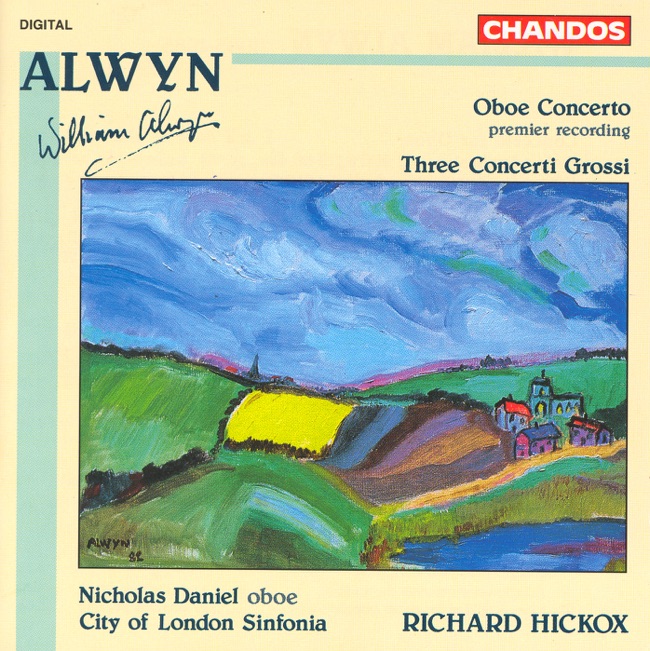
Released Album
Recent Album
Works Info
Composer:William AlwynGenre:ConcertoStyle:ConcertoCompose Date:1942Average_duration:11:33Movement_count:3Movement ....William Alwyn's Concerto Grosso No. 1 in B flat was composed in 1943 and premiered on May 6, 1943, at the Royal Albert Hall in London. The concerto is written for a small group of soloists, consisting of two violins, viola, cello, and harpsichord, accompanied by a larger string orchestra. The concerto is divided into three movements. The first movement, marked Allegro, is characterized by its lively and energetic rhythms, with the soloists and orchestra engaging in a lively dialogue. The second movement, marked Adagio, is a slow and lyrical piece, with the soloists taking turns to play expressive melodies over a gentle accompaniment from the orchestra. The final movement, marked Allegro vivace, is a fast and lively dance, with the soloists and orchestra engaging in a playful and virtuosic exchange. One of the most notable characteristics of Alwyn's Concerto Grosso No. 1 is its use of counterpoint, a technique in which multiple melodies are played simultaneously, creating a complex and intricate texture. This is particularly evident in the first movement, where the soloists and orchestra engage in a lively and intricate dialogue, with each part contributing to the overall texture of the piece. Another notable characteristic of the concerto is its use of tonality. While the piece is written in a traditional tonal framework, Alwyn employs a number of harmonic twists and turns, creating a sense of tension and release throughout the piece. Overall, Alwyn's Concerto Grosso No. 1 in B flat is a lively and engaging work, showcasing the composer's skill in writing for both soloists and orchestra. Its use of counterpoint and tonality make it a particularly interesting and rewarding piece for both performers and listeners alike.More....