


Johannes Brahms
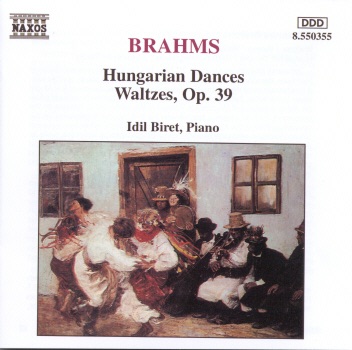
Hungarian Dance in D flat major, WoO 1/6
Released Album
Recent Album
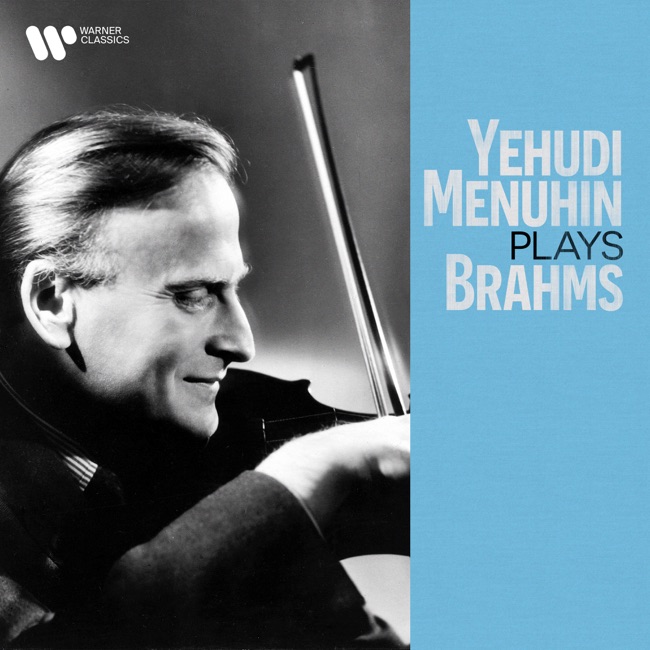
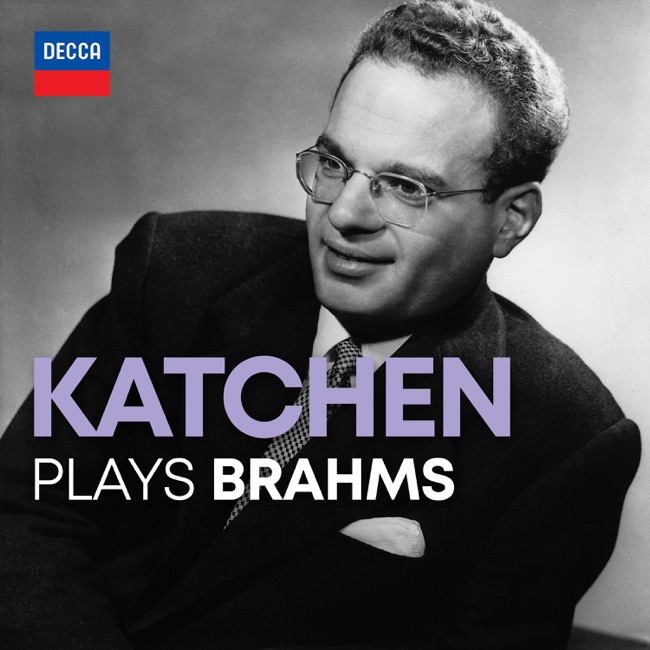
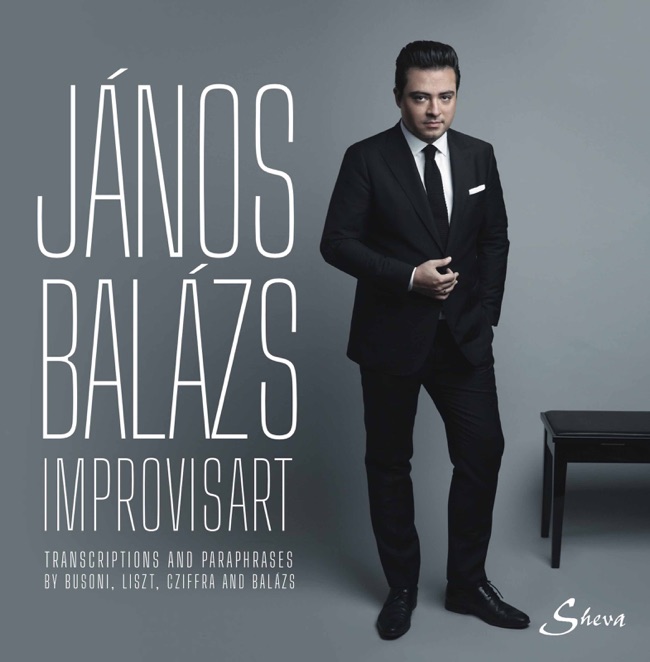
Featured Album
Works Info
Composer:Johannes BrahmsGenre:KeyboardStyle:DanceCompose Date:1858 - 1868Average_duration:3:22Johannes Brahms' Hungarian Dance in D flat major, WoO 1/6, is a lively and energetic piece that showcases the composer's love for Hungarian folk music. The piece was composed in 1869 and premiered the same year in Pest, Hungary. The Hungarian Dance in D flat major is part of a set of 21 dances that Brahms composed between 1869 and 1880. These dances were originally written for piano four hands, but Brahms later arranged them for orchestra. The dances were inspired by the lively and rhythmic music of the Hungarian gypsies, which Brahms heard during his travels in Hungary. The Hungarian Dance in D flat major is a fast-paced and energetic piece that is characterized by its use of syncopated rhythms and lively melodies. The piece is in ternary form, with a fast and lively outer section that is contrasted by a slower and more lyrical middle section. The outer sections are marked by their use of syncopated rhythms and driving rhythms, while the middle section features a more lyrical and expressive melody. The piece begins with a lively and energetic introduction that sets the tone for the rest of the piece. The main theme is then introduced, which is characterized by its use of syncopated rhythms and driving rhythms. The middle section of the piece features a more lyrical and expressive melody, which provides a contrast to the fast and lively outer sections. The piece then returns to the main theme, which is developed further before the piece comes to a lively and energetic close. Overall, Brahms' Hungarian Dance in D flat major is a lively and energetic piece that showcases the composer's love for Hungarian folk music. The piece is characterized by its use of syncopated rhythms and driving rhythms, and features a contrast between fast and lively outer sections and a slower and more lyrical middle section. The piece remains a popular and beloved work in the classical repertoire.More....
Works Music
Released Music
10
3:2
Featured Music

Main Perform Artists