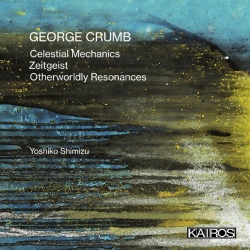
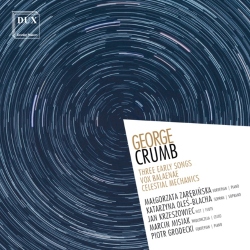
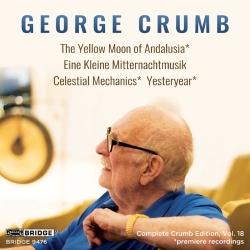
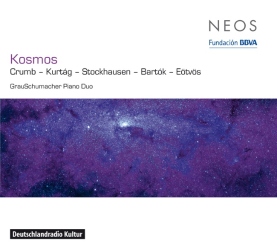
George Crumb
Celestial Mechanics
Released Album
Recent Album
-
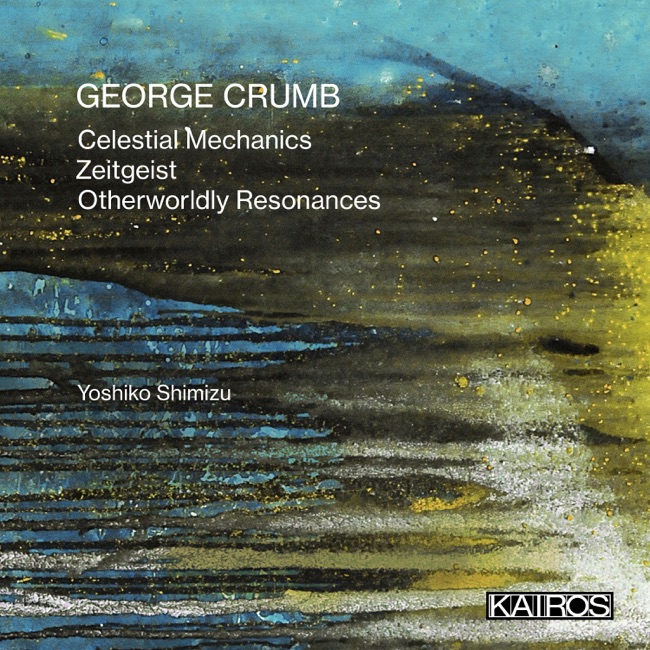
-
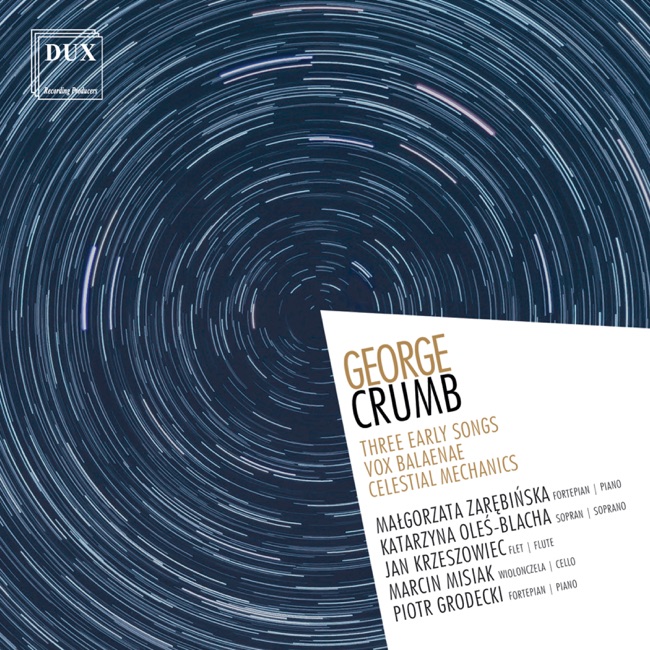 Various ArtistsSeptember 6, 2019
 -
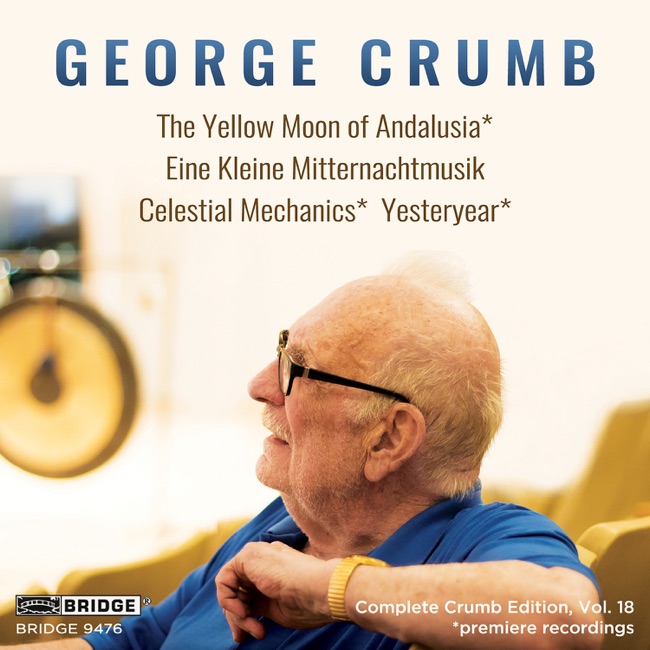
-

-
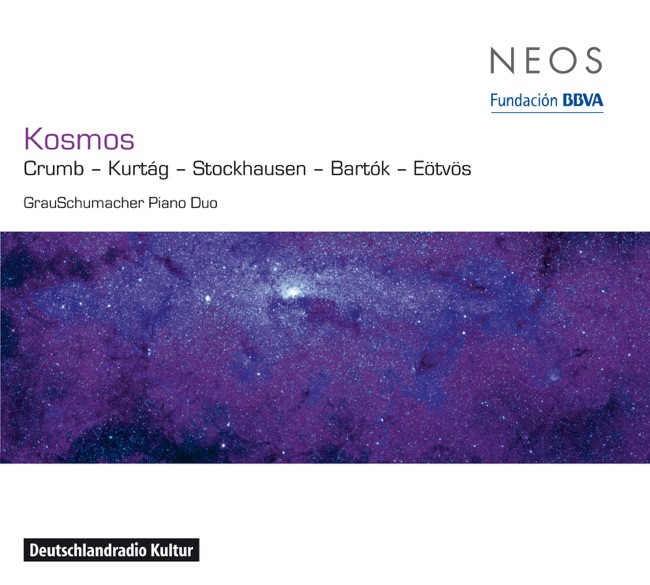
-

-

-

Works Info
Composer:George CrumbGenre:KeyboardStyle:SuiteCompose Date:1979Average_duration:22:44Movement_count:4Movement ....Celestial Mechanics is a composition for amplified piano, four hands, and percussion, composed by George Crumb in 1979. The piece was premiered on October 26, 1979, at the University of Illinois, Urbana-Champaign, by the pianists Lambert Orkis and Gilbert Kalish, and the percussionists Raymond DesRoches and Jan Williams. The composition is divided into four movements, each of which is inspired by a different astronomical phenomenon. The first movement, titled "Alpha Centauri," is a slow and meditative piece that evokes the vastness of space and the mystery of the universe. The second movement, "Beta Cygni," is more lively and rhythmic, with the piano and percussion playing off each other in a playful and syncopated manner. The third movement, "Gamma Draconis," is the most experimental and avant-garde of the four, with the pianists playing inside the piano and using various extended techniques to create a range of unusual sounds and textures. The percussionists also play a variety of unconventional instruments, including water gongs, temple blocks, and a lion's roar. The final movement, "Delta Orionis," is a return to the more contemplative mood of the first movement, with the piano and percussion blending together in a haunting and ethereal sound. The piece ends with a gentle fade-out, as if the music is slowly receding into the vastness of space. Overall, Celestial Mechanics is a highly original and innovative work that showcases Crumb's unique approach to composition. The use of unconventional instruments and extended techniques, combined with the evocative and otherworldly themes, creates a mesmerizing and unforgettable listening experience.More....
Works Music
Released Music