Cortona Codex Anonymous
Peccatrice nominata
Released Album
Recent Album
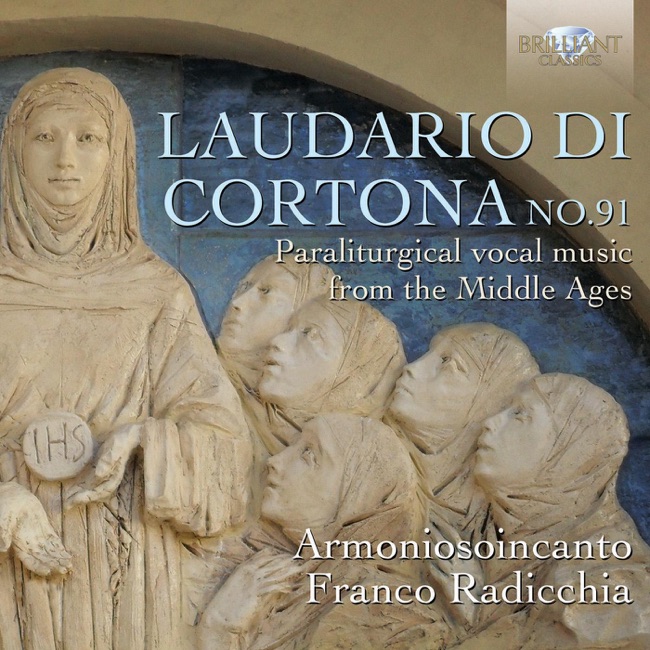

Featured Album

Works Info
Composer:Cortona Codex AnonymousGenre:ChoralStyle:ChoralAverage_duration:5:53'Peccatrice nominata' is a composition from the Cortona Codex, an anonymous manuscript from the 14th century. The exact date of composition is unknown, but it is believed to have been written in the mid-14th century. The piece is a monophonic song, meaning it is sung by a single voice without accompaniment. The premiere of 'Peccatrice nominata' is also unknown, as the Cortona Codex was not discovered until the 19th century. However, it is likely that the piece was performed in a religious context, as the lyrics are in Latin and the theme of the song is repentance and forgiveness. The song is divided into three movements, each with its own distinct melody and lyrics. The first movement begins with the line "Peccatrice nominata," which translates to "named sinner." The lyrics describe the speaker's sins and their desire for forgiveness and redemption. The melody is simple and repetitive, with a descending pattern that emphasizes the speaker's humility and contrition. The second movement begins with the line "Miserere mei, Deus," which translates to "have mercy on me, God." The lyrics continue the theme of repentance and forgiveness, with the speaker asking God to forgive their sins and save them from damnation. The melody is more complex than the first movement, with a wider range and more ornamentation. The third movement begins with the line "Gloria Patri et Filio," which translates to "glory to the Father and the Son." The lyrics express gratitude and praise for God's mercy and forgiveness. The melody is the most complex of the three movements, with a faster tempo and more intricate ornamentation. Overall, 'Peccatrice nominata' is a beautiful and moving example of medieval monophonic song. Its simple melodies and heartfelt lyrics convey a deep sense of religious devotion and humility.More....