


Cortona Codex Anonymous
Released Album
Choral
-
-
 January 6, 2017
 -
-
 October 1, 2012
Vocal
Artist Info
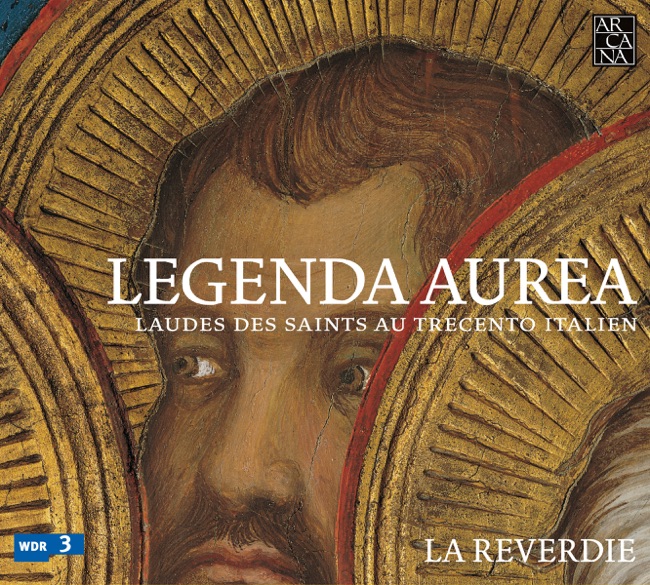
Role:ComposerThe Cortona Codex Anonymous is a collection of medieval music manuscripts that date back to the 14th century. The codex is named after the town of Cortona in Tuscany, Italy, where it was discovered in the 19th century. The identity of the composer or composers of the music in the codex remains unknown, hence the name "Anonymous." Little is known about the birth and growth of the musicians who created the music in the Cortona Codex. However, it is believed that the composers were likely members of the clergy or educated laypeople who were familiar with the musical traditions of the time. The music in the codex is primarily vocal, with some instrumental pieces, and reflects the religious and secular music of the period. The Cortona Codex contains 93 pieces of music, including motets, ballades, and madrigals. The motets are the most numerous and are written in a style that was popular in the 14th century. They are polyphonic, meaning that they have multiple voices singing different melodies at the same time. The texts of the motets are in Latin and often include religious themes. The ballades in the Cortona Codex are written in a simpler style than the motets and are often in the vernacular language of the time. They are typically sung by a soloist with instrumental accompaniment. The madrigals in the codex are also in the vernacular and are written in a more complex style than the ballades. One of the highlights of the music in the Cortona Codex is the motet "Cignus Constantinus." This piece is notable for its use of a technique called isorhythm, which involves repeating a rhythmic pattern throughout the piece. The text of the motet is a tribute to the Holy Roman Emperor Constantine, who is credited with converting the Roman Empire to Christianity. Another notable piece in the Cortona Codex is the ballade "En attendant souffrir m'estuet." This piece is written in the French language and is believed to be one of the earliest examples of a secular song with a written text. The text of the ballade is a lament about the pain of love and the longing for the beloved. The music in the Cortona Codex is an important example of the musical traditions of the 14th century. It reflects the religious and secular music of the time and provides insight into the musical practices of the period. The codex is also significant for its use of innovative techniques, such as isorhythm, that were influential in the development of later musical styles. In conclusion, the Cortona Codex Anonymous is a collection of medieval music manuscripts that date back to the 14th century. The identity of the composer or composers of the music in the codex remains unknown, but the music reflects the religious and secular music of the period. The codex contains 93 pieces of music, including motets, ballades, and madrigals, and is notable for its use of innovative techniques such as isorhythm. The music in the Cortona Codex is an important example of the musical traditions of the 14th century and provides insight into the musical practices of the period.More....
Copyright Ⓒ 2013 Davinci Finger. All rights reseved
Service Terms & Policy