


Artur Kapp
Don Carlos (after Friedrich Schiller)
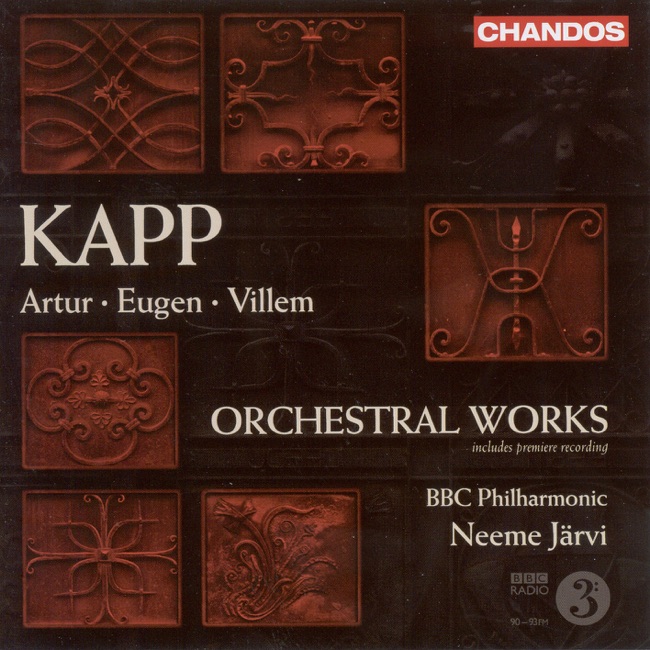
Works Info
Composer:Artur KappGenre:OrchestralStyle:OrchestralCompose Date:1899Average_duration:11:15'Carlos (after Friedrich Schiller)' is a choral symphony composed by Artur Kapp, an Estonian composer, in 1908. The piece was premiered in Tallinn, Estonia, on March 14, 1909, and was well-received by the audience and critics alike. The symphony is based on Friedrich Schiller's play 'Don Carlos,' which tells the story of the Spanish prince Don Carlos and his doomed love for his stepmother, Queen Elizabeth of Valois. The symphony is divided into four movements, each of which represents a different aspect of the story. The first movement, 'Introduction and Allegro,' sets the scene with a grand, sweeping melody that evokes the grandeur of the Spanish court. The second movement, 'Love Scene,' is a tender and romantic duet between Don Carlos and Queen Elizabeth, with the choir providing a lush, harmonic backdrop. The third movement, 'Inquisition Scene,' is a dramatic and intense depiction of the Spanish Inquisition, with the choir and orchestra building to a powerful climax. The final movement, 'Death Scene,' is a mournful and haunting lament for Don Carlos, who dies in the arms of his beloved stepmother. Kapp's 'Carlos (after Friedrich Schiller)' is characterized by its lush, Romantic harmonies and sweeping melodies. The piece is a masterful example of choral symphony, with the choir and orchestra working together to create a powerful and emotional experience for the listener. The symphony is also notable for its use of leitmotifs, or recurring musical themes, which help to tie the different movements together and create a cohesive whole. Overall, 'Carlos (after Friedrich Schiller)' is a stunning work of music that captures the drama and emotion of Schiller's play. It remains a beloved piece of Estonian classical music and a testament to Kapp's skill as a composer.More....
Works Music
Released Music
