


Artur Kapp
Released Album
Chamber
-
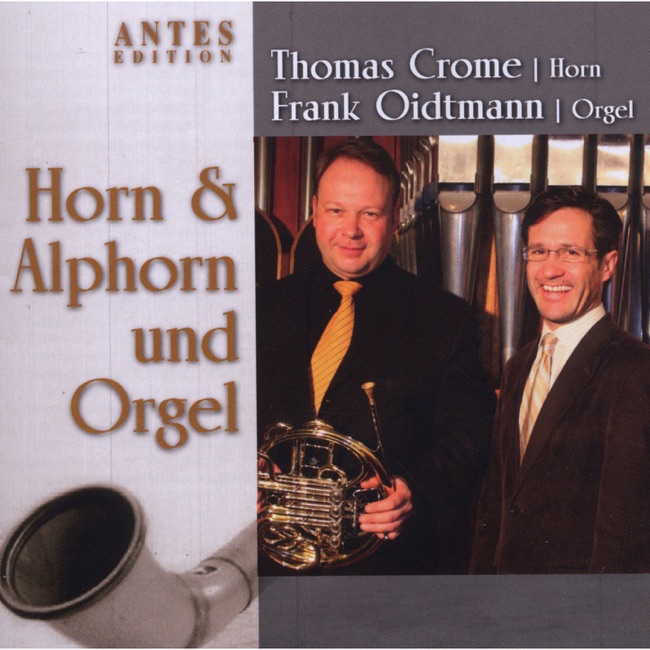 September 23, 2011
Symphony
-
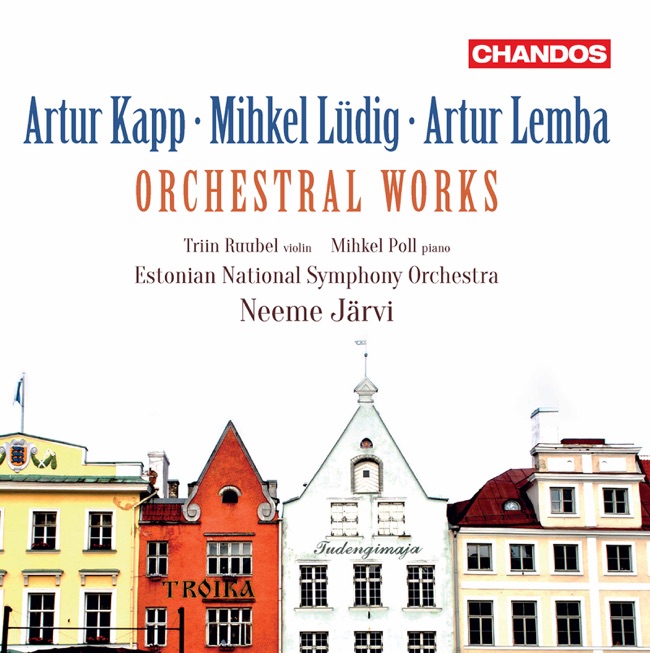 February 7, 2020
Orchestral
-
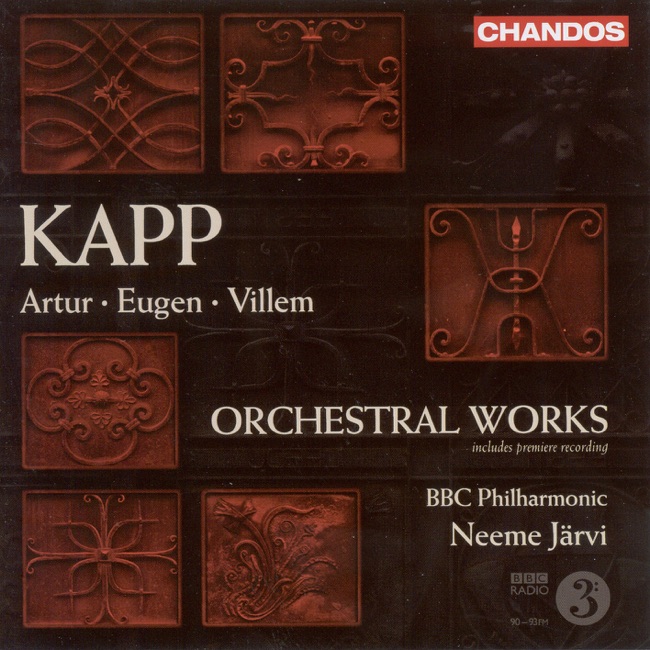 January 15, 2008
Artist Info
Role:ComposerCountry: EstoniaBirth:February 28, 1878Death:January 14, 1952Artur Kapp was a renowned Estonian composer, conductor, and music educator who made significant contributions to the classical music scene in Estonia during the early 20th century. He was born on February 28, 1878, in Suure-Jaani, Estonia, to a family of musicians. His father, Karl August Kapp, was a composer and conductor, and his mother, Marie Kapp, was a pianist and music teacher. Artur Kapp showed an early interest in music and began his formal music education at the age of six. Kapp's musical education began at the Tartu Music School, where he studied piano, violin, and music theory. He continued his studies at the St. Petersburg Conservatory, where he studied composition under Nikolai Rimsky-Korsakov and conducting under Felix Blumenfeld. Kapp graduated from the conservatory in 1908 and returned to Estonia to begin his career as a composer and conductor. Kapp's early compositions were heavily influenced by the Romantic style of music, which was popular at the time. His first major work, the Symphony No. 1 in F minor, was premiered in 1910 and received critical acclaim. The symphony showcased Kapp's talent for orchestration and his ability to create powerful and emotional music. In addition to his work as a composer, Kapp was also a respected conductor. He served as the conductor of the Estonia Theatre in Tallinn from 1919 to 1922 and the conductor of the Estonian National Symphony Orchestra from 1926 to 1944. Kapp was known for his ability to bring out the best in his musicians and for his attention to detail in rehearsals. Kapp's compositions continued to evolve throughout his career. In the 1920s, he began to incorporate elements of Estonian folk music into his works, which gave his music a unique and distinctly Estonian flavor. One of his most famous works from this period is the ballet "Kalevipoeg," which tells the story of the legendary Estonian hero Kalevipoeg. The ballet premiered in 1922 and was a huge success, cementing Kapp's reputation as one of Estonia's leading composers. During the 1930s, Kapp's music became more experimental, incorporating elements of modernism and atonality. His Symphony No. 4, which premiered in 1936, is a prime example of this style. The symphony is a complex and challenging work that showcases Kapp's mastery of modernist techniques. Kapp's career was interrupted by World War II, during which Estonia was occupied by the Soviet Union. Kapp continued to compose during this time, but his music was heavily censored by the Soviet authorities. After the war, Kapp was able to resume his career, but he was forced to conform to the strict guidelines of Soviet music policy. Despite these restrictions, Kapp continued to compose music that was both innovative and deeply emotional. One of Kapp's most famous works from this period is the oratorio "The Song of Estonia," which premiered in 1949. The oratorio is a powerful tribute to the Estonian people and their struggle for independence. The work is notable for its use of Estonian folk melodies and its powerful choral writing. Kapp continued to compose music until his death in 1952. His legacy as one of Estonia's greatest composers lives on through his music, which continues to be performed and celebrated today. Some of his other notable works include the opera "Vikerlased," the cantata "The Dawn," and the choral work "The Singing Land." In addition to his work as a composer and conductor, Kapp was also a respected music educator.More....
Recent Artist Music

Copyright Ⓒ 2013 Davinci Finger. All rights reseved
Service Terms & Policy