


Alexander Scriabin
Etudes (3), Op. 65
Released Album
Recent Album



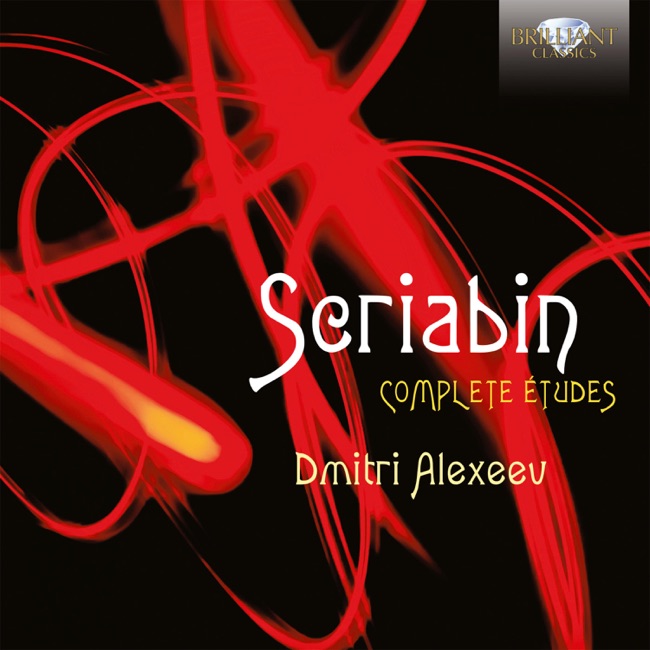
Featured Album
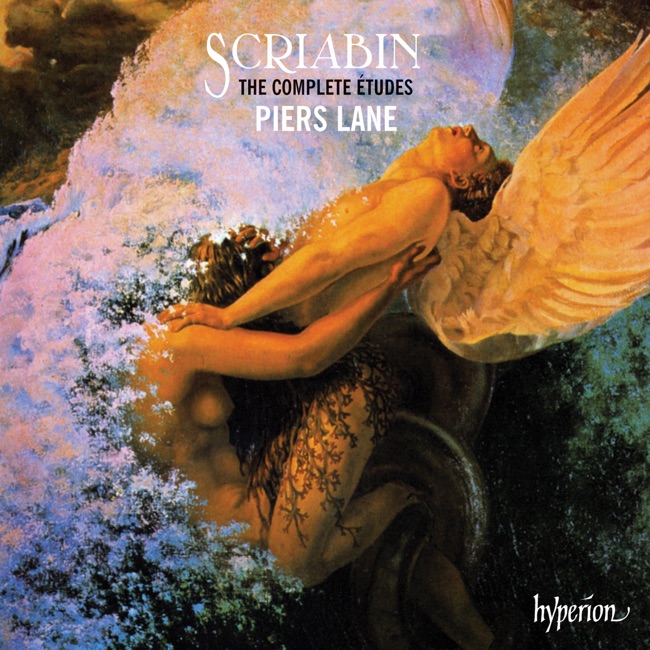
Works Info
Composer:Alexander ScriabinGenre:KeyboardStyle:EtudeCompose Date:1912Average_duration:6:59Movement_count:3Movement ....Alexander Scriabin's 'Etudes (3), Op. 65' is a set of three piano etudes composed in 1911. The premiere of the work took place in Moscow in 1912, with Scriabin himself performing the pieces. The three movements of the etudes are marked as follows: 1. Allegro fantastico 2. Allegretto 3. Molto vivace The first movement, 'Allegro fantastico', is characterized by its fast and virtuosic passages, with the left hand playing a repetitive pattern while the right hand plays a melody that is constantly shifting in tonality. The movement is in a modified sonata form, with a brief introduction followed by an exposition, development, and recapitulation. The movement ends with a coda that features a rapid ascending scale in the right hand. The second movement, 'Allegretto', is a slower and more lyrical piece than the first. It is marked by its use of chromaticism and its shifting tonal centers. The left hand plays a simple accompaniment while the right hand plays a melody that is at times delicate and at other times more forceful. The movement ends with a quiet and introspective coda. The third movement, 'Molto vivace', is the most technically demanding of the three. It is characterized by its rapid and complex figurations, with the left hand playing a repeated pattern while the right hand plays a melody that is constantly shifting in tonality. The movement is in a modified rondo form, with a recurring theme that is interspersed with episodes of increasing complexity. The movement ends with a coda that features a rapid descending scale in the right hand. Overall, Scriabin's 'Etudes (3), Op. 65' is a challenging and virtuosic work that showcases the composer's unique harmonic language and technical prowess. The three movements are distinct in character and style, but are united by their use of complex figurations and shifting tonal centers. The work remains a staple of the piano repertoire and is frequently performed and recorded by pianists around the world.More....
Works Music
Released Music


Featured Music
Main Perform Artists