Iannis Xenakis
Oresteïa
Released Album
Recent Album
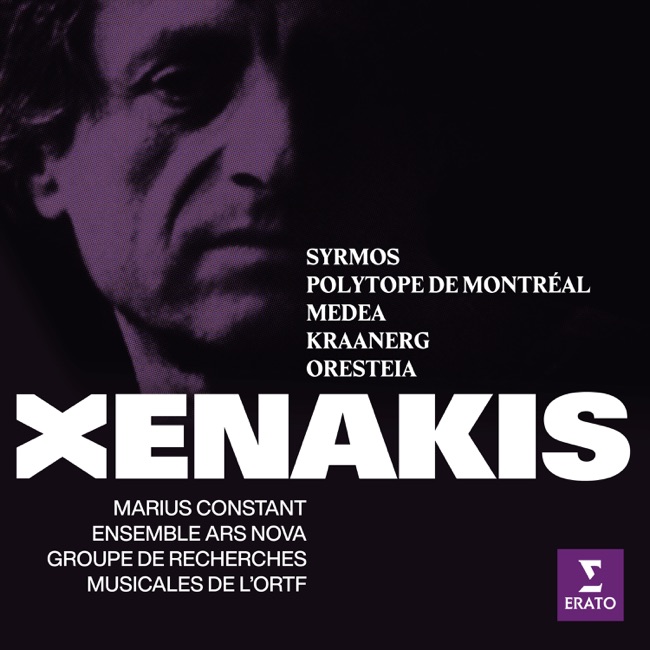

Featured Album
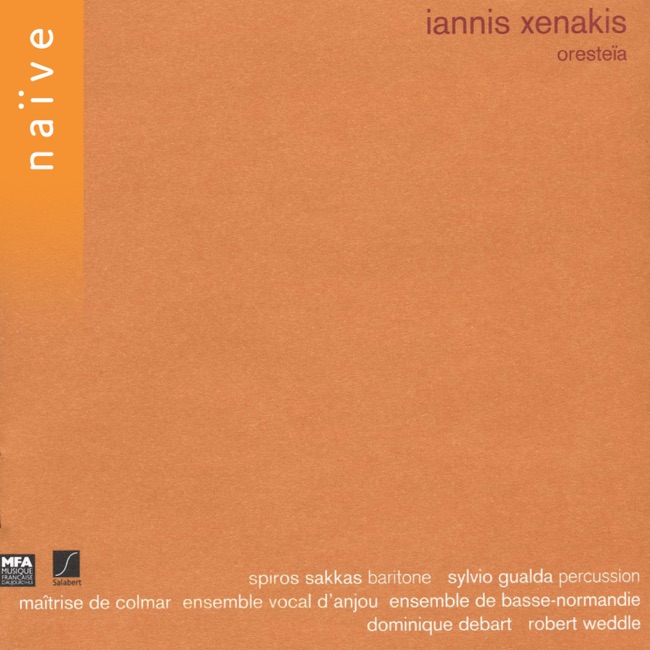
Works Info
Composer:Iannis XenakisGenre:ChoralStyle:Incidental MusicCompose Date:1965 - 1966Average_duration:49:22Movement_count:5Movement ....Oresteïa is a three-part opera composed by Iannis Xenakis, based on the ancient Greek tragedy of the same name by Aeschylus. The opera was composed between 1965 and 1966 and premiered on October 13, 1966, at the Palais Garnier in Paris. The three movements of the opera are titled "Agamemnon," "The Libation Bearers," and "The Eumenides." Each movement tells a different part of the story of the House of Atreus, a cursed family that experiences a cycle of violence and revenge. "Agamemnon" tells the story of the titular character, who returns home from the Trojan War to be murdered by his wife Clytemnestra and her lover Aegisthus. The movement features dissonant, atonal music that reflects the chaos and violence of the story. "The Libation Bearers" follows Agamemnon's son Orestes as he seeks revenge for his father's murder. The movement features more melodic music, with choral sections that reflect the mourning and grief of the characters. "The Eumenides" concludes the story with Orestes being pursued by the Furies, vengeful spirits who seek to punish him for killing his mother. The movement features a mix of dissonant and melodic music, with choral sections that reflect the themes of justice and redemption. Overall, Oresteïa is characterized by its use of complex rhythms, dissonant harmonies, and unconventional instrumentation. Xenakis was known for his use of mathematical principles in his music, and Oresteïa is no exception, with the composer using algorithms to create some of the complex rhythms in the opera. Despite its challenging music, Oresteïa has been praised for its powerful storytelling and emotional impact. The opera remains a landmark work in Xenakis's career and in the history of modern opera.More....