


Matthias Weckmann
Toccata III for keyboard in E minor
Released Album
Recent Album
Works Info
Composer:Matthias WeckmannGenre:KeyboardStyle:KeyboardAverage_duration:3:21Matthias Weckmann was a German composer and organist of the Baroque era. He was born in 1616 in Thuringia and died in 1674 in Hamburg. Weckmann was a student of Heinrich Schütz and was heavily influenced by the works of Johann Sebastian Bach. He composed a number of works for keyboard, including the Toccata III in E minor. The Toccata III for keyboard in E minor was composed in the mid-17th century. It is a virtuosic work that showcases the technical abilities of the performer. The piece is in three movements, with the first and third being in E minor and the second in G major. The first movement is marked "Presto" and is characterized by its fast, lively tempo. It begins with a series of rapid arpeggios that are played in the right hand. The left hand provides a steady bass line that supports the melody. The movement is highly ornamented, with trills, mordents, and other embellishments adding to the virtuosic nature of the piece. The second movement is marked "Adagio" and is a stark contrast to the first. It is slower and more contemplative, with a simple melody that is played in the right hand. The left hand provides a gentle accompaniment that supports the melody. The movement is in G major, which provides a sense of relief from the darkness of the first movement. The third movement is marked "Presto" and is similar in character to the first. It is fast and lively, with a series of rapid arpeggios that are played in the right hand. The left hand provides a steady bass line that supports the melody. The movement is highly ornamented, with trills, mordents, and other embellishments adding to the virtuosic nature of the piece. Overall, the Toccata III for keyboard in E minor is a challenging work that requires a high level of technical skill from the performer. It is characterized by its fast, lively tempo and highly ornamented melodies. The second movement provides a brief respite from the virtuosic nature of the piece, but the first and third movements are both highly energetic and demanding.More....
Works Music
Released Music
5
2:49
6
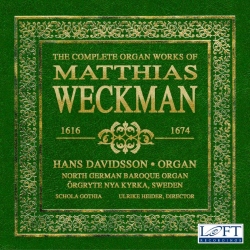
3:48
7
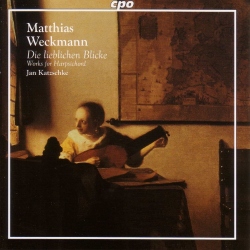
3:52