


Johann Friedrich Fasch
Concerto for 2 oboes, bassoon, strings & continuo in C minor
Released Album
Recent Album
Works Info
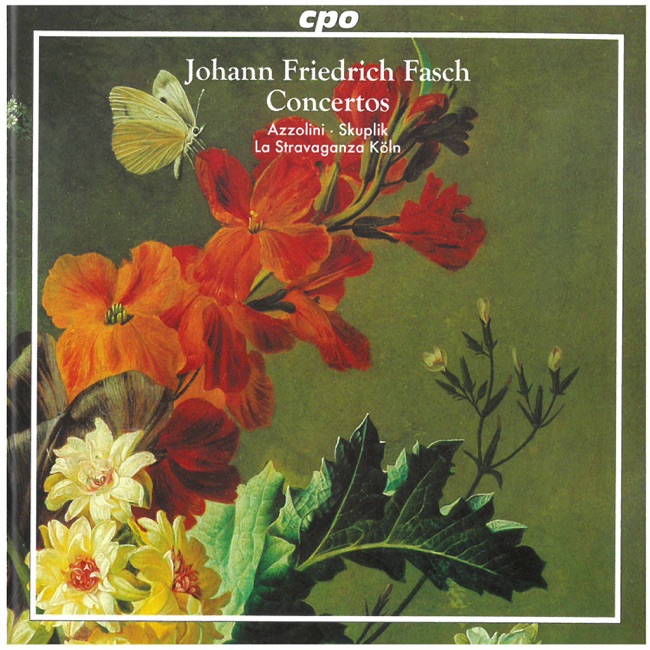
Composer:Johann Friedrich FaschGenre:ConcertoStyle:ConcertoAverage_duration:9:04Movement_count:3Movement ....Johann Friedrich Fasch's Concerto for 2 oboes, bassoon, strings & continuo in C minor was composed in the early 18th century. The exact date of composition is unknown, but it is believed to have been written between 1715 and 1720. The concerto was premiered in Leipzig, Germany, where Fasch was working as a court musician. The concerto consists of three movements: Allegro, Largo, and Allegro. The first movement is in sonata form and features the two oboes and bassoon in a lively and energetic dialogue with the strings and continuo. The second movement is a slow and expressive Largo, where the oboes and bassoon take turns playing the main melody, accompanied by the strings and continuo. The final movement is a fast and lively Allegro, with the oboes and bassoon once again engaging in a playful dialogue with the strings and continuo. The concerto is characterized by its virtuosic writing for the oboes and bassoon, which are given many opportunities to showcase their technical abilities. The use of two oboes and a bassoon also creates a unique and rich sound, with the three instruments blending together to create a full and vibrant texture. The concerto is also notable for its use of counterpoint, with the different instruments weaving in and out of each other's melodies in a complex and intricate manner. Overall, Fasch's Concerto for 2 oboes, bassoon, strings & continuo in C minor is a masterful example of Baroque concerto writing, showcasing the composer's skill in creating complex and engaging music for a variety of instruments.More....
Works Music
Released Music
1

4:
2
4:
3
4:4