Dietrich Buxtehude
Salve, Jesu, Patris gnate unigenite, BuxWV 94
Released Album
Recent Album
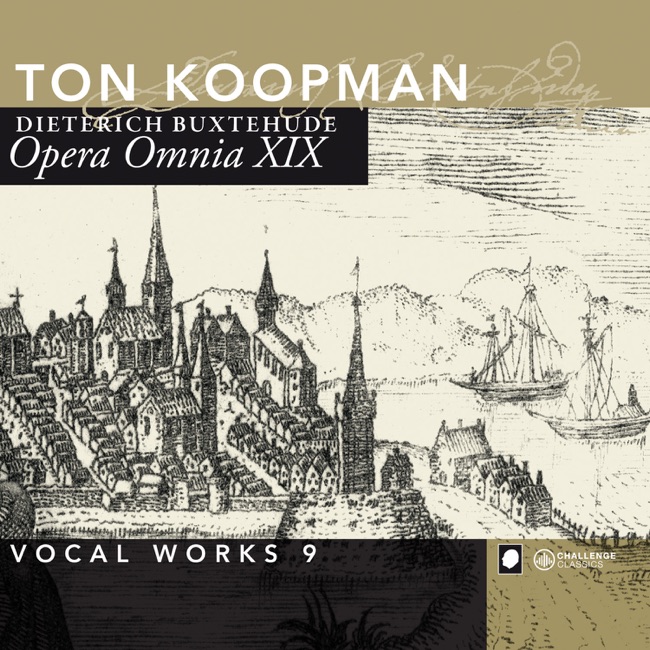
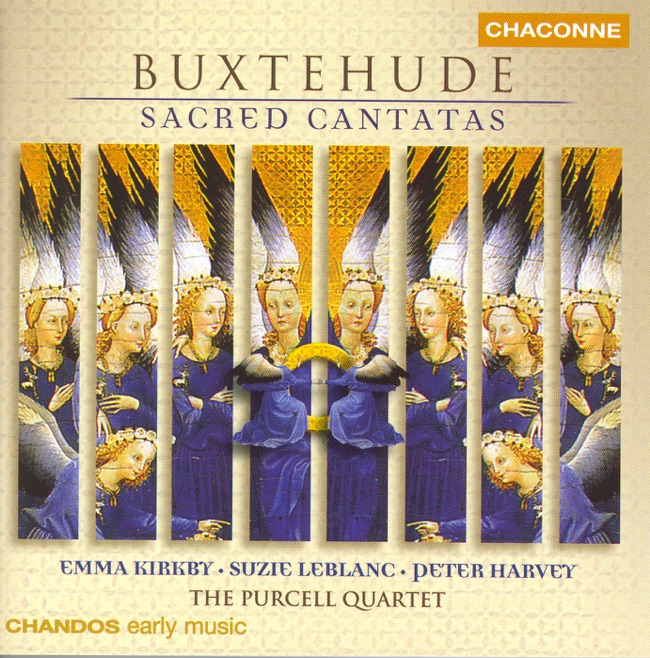
Works Info
Composer:Dietrich BuxtehudeGenre:VocalStyle:Vocal MusicAverage_duration:9:46Movement_count:7Movement ....Dietrich Buxtehude's 'Salve, Jesu, Patris gnate unigenite' is a sacred vocal work composed for five voices and basso continuo. The piece was composed in the late 17th century, around 1680, during Buxtehude's tenure as the organist at the Marienkirche in Lübeck, Germany. The work is divided into three movements, each with its own distinct character and musical style. The first movement is a solemn and majestic setting of the text "Salve, Jesu, Patris gnate unigenite" (Hail, Jesus, only begotten Son of the Father). The second movement is a lively and joyful setting of the text "O quam suavis est, Domine, spiritus tuus" (O how sweet is your spirit, Lord). The final movement is a prayerful and introspective setting of the text "Amen. Veni, Domine Jesu" (Amen. Come, Lord Jesus). The first movement begins with a grand and majestic opening, with the voices and continuo entering one by one to create a rich and full texture. The music is characterized by its use of imitative polyphony, with each voice taking turns to sing the same melody in a different key or rhythm. The harmonies are rich and complex, with frequent use of suspensions and dissonances to create tension and release. The movement ends with a quiet and reflective section, with the voices and continuo gradually fading away. The second movement is a lively and joyful setting of the text "O quam suavis est, Domine, spiritus tuus". The music is characterized by its use of dance rhythms, with a lively and syncopated melody in the upper voices and a driving bass line in the continuo. The harmonies are bright and cheerful, with frequent use of major chords and open fifths. The movement ends with a joyful and exuberant section, with the voices and continuo building to a triumphant conclusion. The final movement is a prayerful and introspective setting of the text "Amen. Veni, Domine Jesu". The music is characterized by its use of homophonic textures, with all the voices singing the same melody in unison or in simple harmonies. The harmonies are simple and plaintive, with frequent use of minor chords and chromaticism to create a sense of longing and yearning. The movement ends with a quiet and peaceful section, with the voices and continuo gradually fading away. Overall, 'Salve, Jesu, Patris gnate unigenite' is a masterful example of Buxtehude's skill as a composer of sacred vocal music. The work showcases his ability to create rich and complex textures, to use harmony and melody to convey a range of emotions, and to set sacred texts in a way that is both musically satisfying and spiritually uplifting.More....
Works Music
Released Music