Ralph Vaughan Williams
Fain Would I Change That Note
Released Album
Recent Album
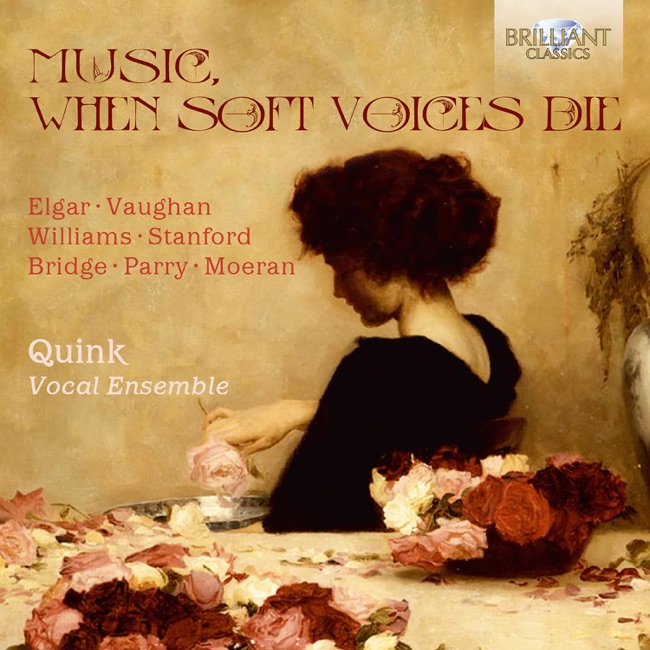
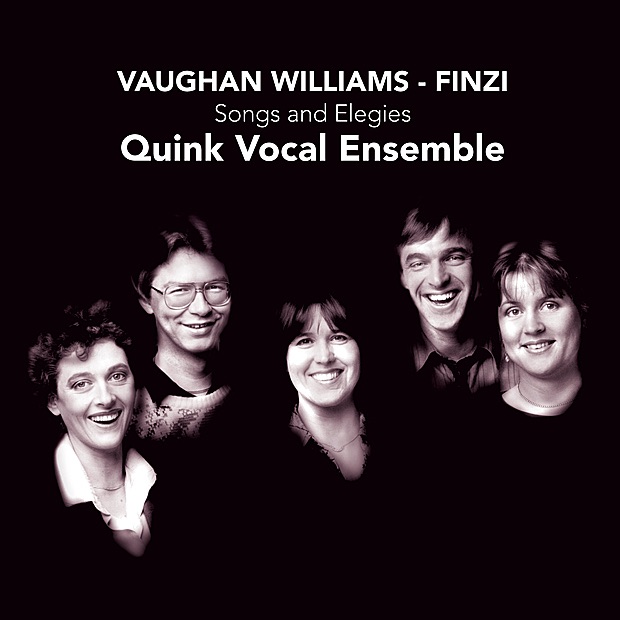
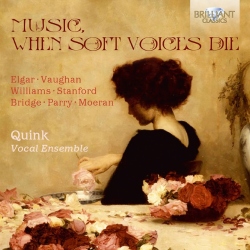
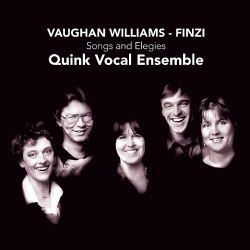
Works Info
Composer:Ralph Vaughan WilliamsGenre:ChoralStyle:ChoralCompose Date:1907"Fain Would I Change That Note" is a choral work composed by Ralph Vaughan Williams in 1925. It was premiered on October 22, 1925, at the Royal College of Music in London, conducted by the composer himself. The piece is based on a poem by Thomas Campion, a 16th-century English poet and composer. The work is divided into three movements, each with its own distinct character. The first movement is marked "Moderato," and features a simple, flowing melody in the choir, accompanied by a gentle, undulating piano part. The second movement, marked "Allegro," is more lively and rhythmic, with a syncopated piano accompaniment and a more complex choral texture. The final movement, marked "Andante," returns to the gentle, flowing character of the first movement, with a more complex choral texture and a more elaborate piano accompaniment. One of the most striking characteristics of "Fain Would I Change That Note" is its use of modal harmonies and melodies. Vaughan Williams was deeply interested in English folk music and the modal harmonies that were characteristic of that tradition, and he incorporated these elements into much of his music. In "Fain Would I Change That Note," he uses modal harmonies to create a sense of timelessness and nostalgia, evoking the spirit of the Elizabethan era in which the poem was written. Another notable characteristic of the work is its use of word painting. Throughout the piece, Vaughan Williams uses musical gestures to illustrate the meaning of the text. For example, in the second movement, the choir sings the words "I sigh the lack of many a thing I sought," and the music rises and falls in a sighing gesture. In the final movement, the choir sings the words "O love, that stronger art than wine," and the music swells and becomes more passionate. Overall, "Fain Would I Change That Note" is a beautiful and evocative work that showcases Vaughan Williams' skill as a composer and his deep love for English music and poetry. Its use of modal harmonies, word painting, and complex choral textures make it a challenging and rewarding piece for both performers and listeners.More....
Works Music