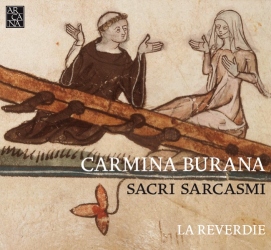
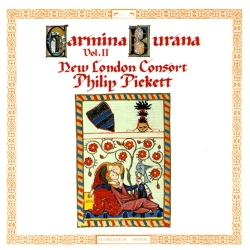
Carmina Burana Anonymous
Curritur ad vocem
Released Album
Recent Album
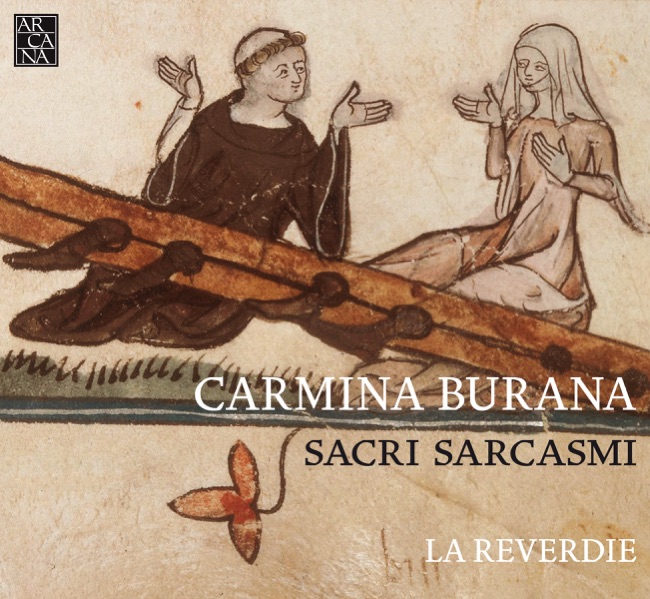
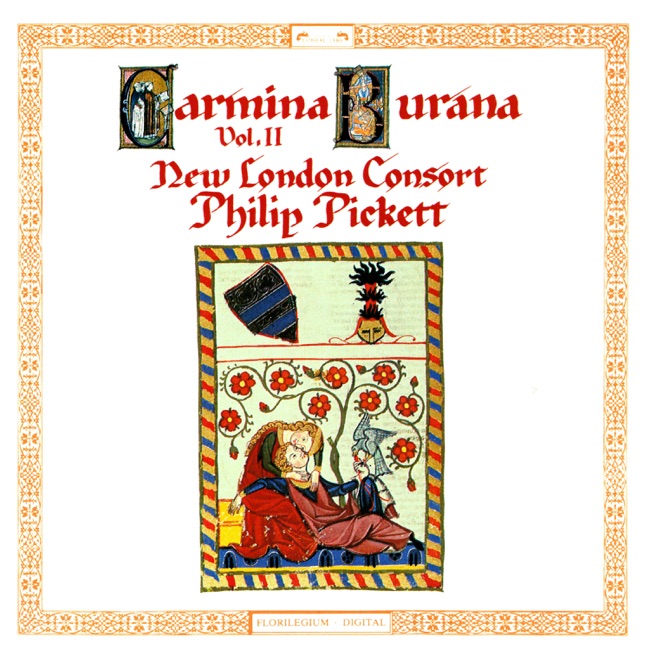
Works Info
Composer:Carmina Burana AnonymousGenre:VocalStyle:Vocal MusicAverage_duration:2:08"Curritur ad vocem" is a medieval Latin poem that was set to music by an anonymous composer in the 13th century. The poem is part of the larger collection of poems known as the Carmina Burana, which were discovered in a Bavarian monastery in the 19th century. The Carmina Burana is a collection of secular poems and songs that were written by various authors during the 11th and 12th centuries. The music for "Curritur ad vocem" is written in a style known as organum, which was a common technique used in medieval music. Organum involves adding a second voice to a pre-existing melody, creating a rich and complex sound. The piece is written for two voices, with the lower voice providing a drone-like accompaniment to the melody sung by the upper voice. "Curritur ad vocem" is divided into three movements, each with its own distinct character. The first movement is slow and contemplative, with the two voices singing in unison for much of the piece. The second movement is faster and more rhythmic, with the two voices weaving in and out of each other in a complex interplay. The final movement returns to the slower tempo of the first, with the two voices once again singing in unison. The text of "Curritur ad vocem" is a meditation on the fleeting nature of life and the inevitability of death. The title translates to "We run to the voice," which is a reference to the idea that we are all running towards our ultimate fate, which is death. The poem encourages the listener to live life to the fullest, to enjoy the pleasures of the world while they can, but also to remember that death is always lurking in the background. Overall, "Curritur ad vocem" is a haunting and beautiful piece of music that captures the spirit of the medieval era. Its use of organum creates a rich and complex sound that is both meditative and uplifting. The poem's message of carpe diem, or seizing the day, is as relevant today as it was when it was written over 800 years ago.More....
Works Music