


Antonio Vivaldi
Sonata for flute & continuo in G minor, RV 51
Released Album
Recent Album
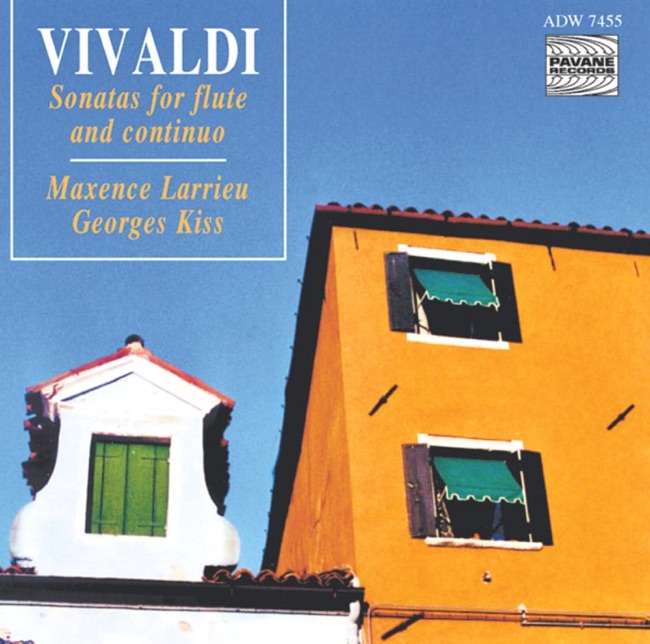
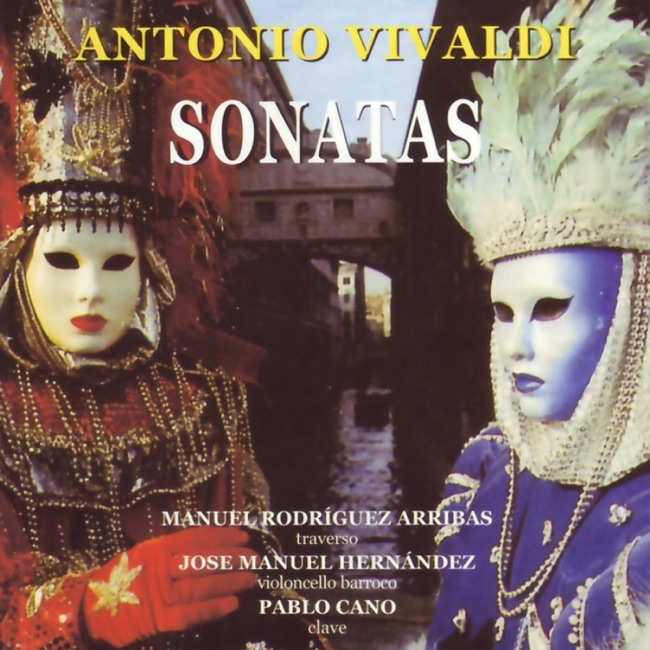
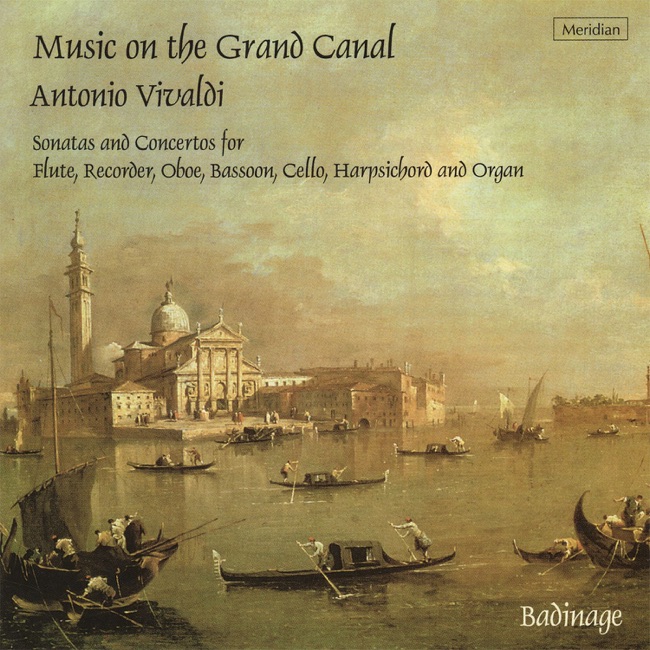
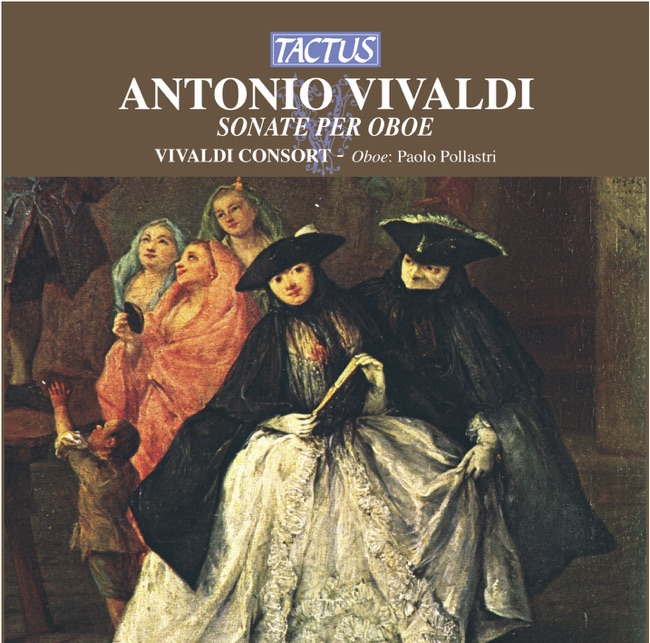
Works Info
Composer:Antonio VivaldiGenre:ChamberStyle:SonataCompose Date:1710 - 1740Average_duration:8:56Movement_count:4Movement ....Antonio Vivaldi's Sonata for flute & continuo in G minor, RV 51, is a Baroque-era composition that was likely composed in the early 1720s. The piece is believed to have been written for the Ospedale della Pietà, a Venetian orphanage where Vivaldi worked as a music teacher and composer. The sonata is comprised of three movements: an opening Grave, a lively Allegro, and a final Allegro. The Grave is a slow, mournful introduction that sets the tone for the piece. The Allegro movements are both fast-paced and energetic, with the flute and continuo engaging in a lively dialogue throughout. One of the most notable characteristics of the sonata is its use of the continuo, a Baroque-era accompaniment consisting of a bass instrument (such as a cello or bassoon) and a chordal instrument (such as a harpsichord or organ). The continuo provides a rich harmonic foundation for the flute's melodies, and the interplay between the two instruments is a hallmark of Baroque music. Another notable feature of the sonata is its use of ornamentation. Baroque music was known for its elaborate embellishments, and Vivaldi's sonata is no exception. The flute part is filled with trills, turns, and other decorative flourishes that add to the piece's virtuosic character. The Sonata for flute & continuo in G minor, RV 51, premiered in Venice in the early 1720s, likely at the Ospedale della Pietà. The piece has since become a staple of the flute repertoire, and is frequently performed and recorded by flutists around the world.More....
Works Music
Released Music
1
3:47
3
3:37
4
1:53
5
2:7
6
2:45
7
1:42
8
2:21