


Alfred Schnittke
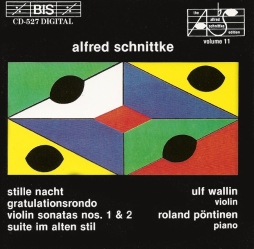
Silent Night
Released Album
Recent Album
Works Info
Composer:Alfred SchnittkeGenre:ChamberStyle:Character PieceCompose Date:1978Average_duration:4:48"Silent Night" is a choral work composed by Alfred Schnittke in 1978. The piece was premiered on December 24, 1978, in Moscow, Russia, by the USSR Ministry of Culture Chamber Choir under the direction of Valery Polyansky. The work is divided into three movements, each of which is based on a different text. The first movement is a setting of the traditional Christmas carol "Silent Night," which is sung in German. The second movement is a setting of a Russian Orthodox hymn, "Glory to God in the Highest," which is sung in Church Slavonic. The third movement is a setting of a poem by the Russian poet Nikolai Rubtsov, "The Angel Cried Out," which is sung in Russian. The first movement begins with a solo soprano singing the first verse of "Silent Night" in a haunting, ethereal manner. The choir then enters, singing the second verse in a more traditional manner. The music gradually builds in intensity, with the choir singing in a more dissonant and complex style. The movement ends with a return to the solo soprano, who sings the final verse in a quiet, peaceful manner. The second movement begins with a solo bass singing the first line of "Glory to God in the Highest." The choir then enters, singing the hymn in a rich, full-bodied style. The music is characterized by its use of dense harmonies and complex rhythms, which create a sense of grandeur and majesty. The third movement begins with a solo tenor singing the first line of Rubtsov's poem. The choir then enters, singing the poem in a more subdued and introspective style. The music is characterized by its use of simple harmonies and sparse textures, which create a sense of intimacy and vulnerability. Overall, "Silent Night" is a powerful and moving work that combines elements of traditional Christmas music with Schnittke's unique style. The piece is characterized by its use of complex harmonies, dense textures, and shifting tonalities, which create a sense of tension and drama. Despite its modernist tendencies, however, the work remains deeply rooted in the traditions of Christmas music, making it a fitting tribute to the holiday season.More....
Works Music
Released Music
1
Silent Night
Stille Nacht (Silent Night) on motives of Franz Xaver Gruber's Christmas carol for violin and piano
4:46
7
5:4