Franz Schubert
Hippolit's Lied, D. 890
Released Album
Recent Album
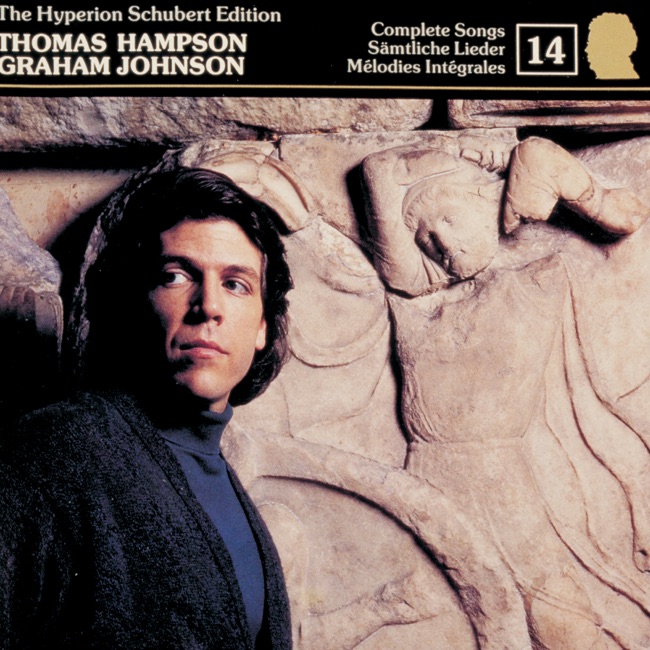
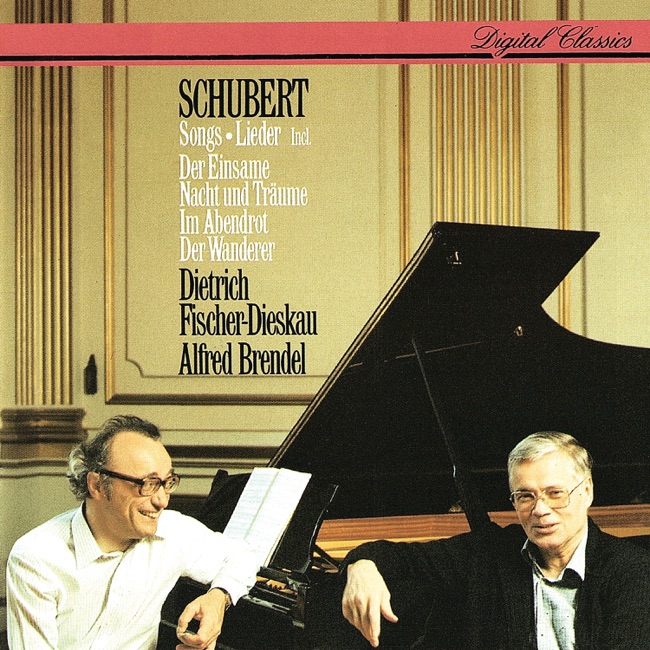
Works Info
Composer:Franz SchubertGenre:VocalStyle:SongCompose Date:1826Average_duration:2:32Hippolit's Lied, D. 890 is a song composed by Franz Schubert in 1826. It was premiered in Vienna in the same year. The song is part of a collection of songs known as Schwanengesang, which was published posthumously in 1829. Hippolit's Lied is a single movement song that features a slow and melancholic melody. The song is written for a solo voice and piano accompaniment. The lyrics of the song were written by Ludwig Rellstab and tell the story of a man who is haunted by the memory of a lost love. The song is characterized by its use of chromaticism, which creates a sense of tension and unease throughout the piece. The song begins with a simple piano introduction that sets the mood for the piece. The vocal line enters with the first verse, which is sung in a soft and mournful tone. The melody is simple and repetitive, with the piano accompaniment providing a gentle and supportive backdrop. As the song progresses, the vocal line becomes more complex, with the use of chromaticism adding a sense of dissonance to the piece. The middle section of the song features a change in tempo and mood. The vocal line becomes more agitated, with the piano accompaniment providing a sense of urgency. The lyrics of this section describe the protagonist's inner turmoil and his struggle to come to terms with his lost love. The final section of the song returns to the slow and mournful melody of the opening. The vocal line becomes more subdued, with the piano accompaniment providing a gentle and soothing backdrop. The lyrics of this section describe the protagonist's acceptance of his fate and his resignation to a life without his lost love. Overall, Hippolit's Lied is a haunting and melancholic song that showcases Schubert's mastery of melody and harmony. The use of chromaticism adds a sense of tension and unease to the piece, while the simple and repetitive melody creates a sense of longing and nostalgia. The song is a testament to Schubert's ability to capture the complexities of human emotion through music.More....
Works Music
Released Music