William Byrd
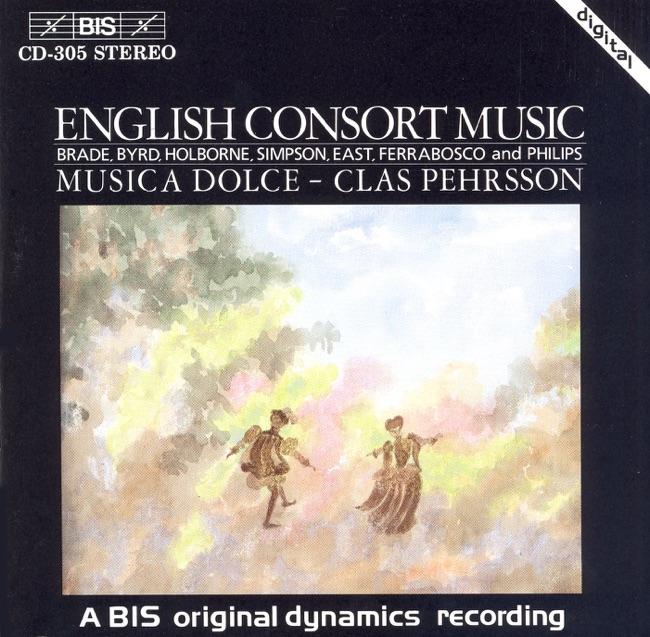
Fantasia a 6, for instrumental consort No. 2 in G minor
Released Album
Recent Album
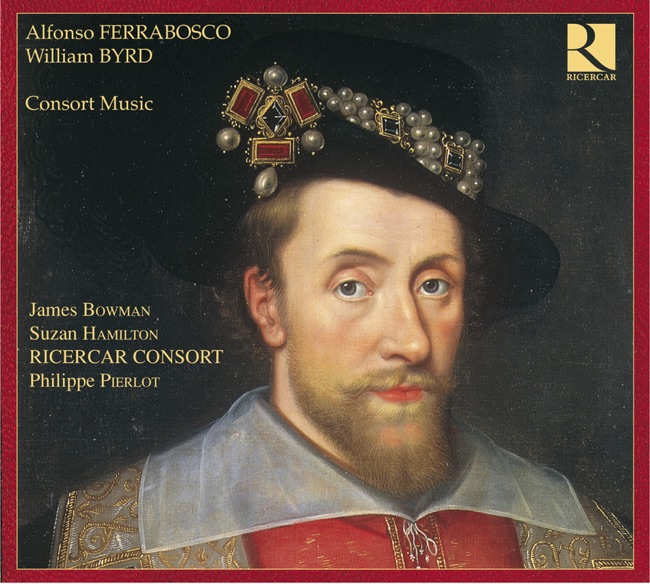
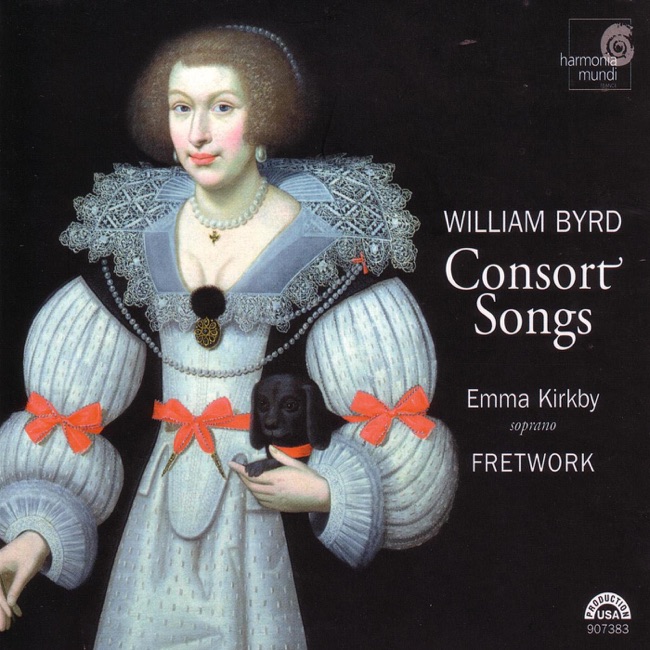
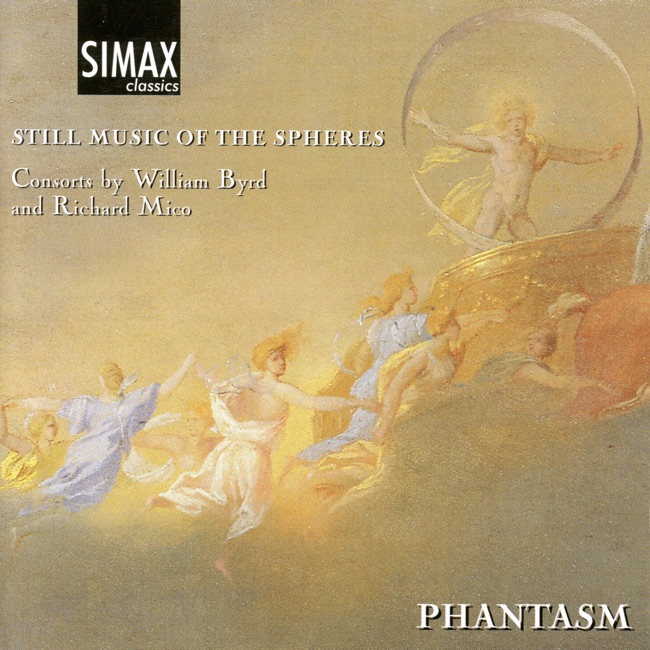
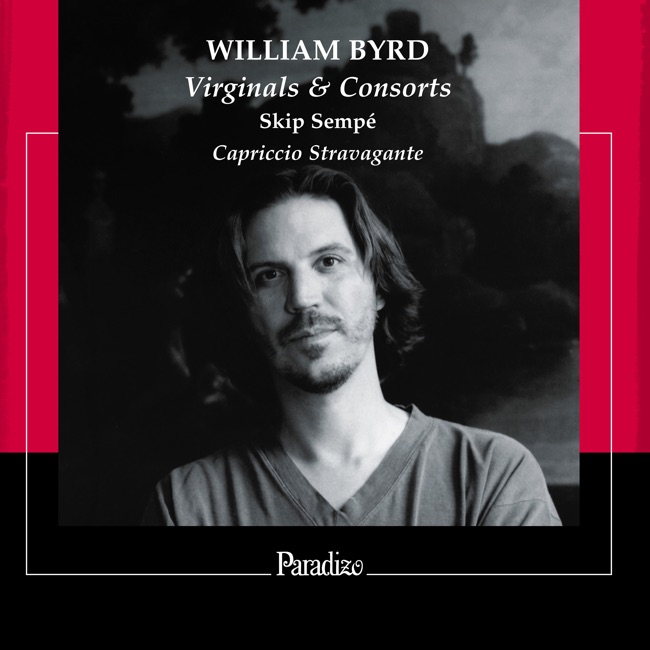
Featured Album

Works Info
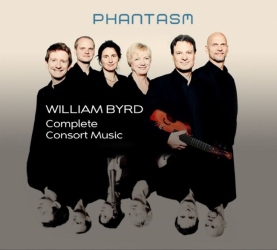
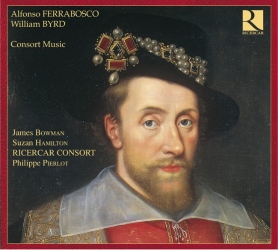
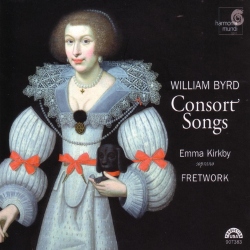
Composer:William ByrdGenre:ChamberStyle:FantasyAverage_duration:5:27Fantasia a 6, for instrumental consort No. 2 in G minor is a composition by William Byrd, a prominent English composer of the Renaissance period. The piece was composed in the late 16th century, around 1590, and was likely premiered in the court of Queen Elizabeth I. The composition is divided into six movements, each with its own distinct character and mood. The first movement is a lively and energetic piece, featuring intricate counterpoint and a driving rhythm. The second movement is more subdued, with a melancholic melody and a slower tempo. The third movement is a lively dance, featuring a playful melody and a lively rhythm. The fourth movement is a slow and contemplative piece, with a haunting melody and a somber mood. The fifth movement is a lively and energetic dance, featuring a lively melody and a driving rhythm. The final movement is a slow and contemplative piece, with a somber melody and a mournful mood. The composition is characterized by its intricate counterpoint, complex harmonies, and rich textures. Byrd was known for his skillful use of polyphony, and this piece is no exception. The six parts of the composition are woven together in a complex web of interlocking melodies and harmonies, creating a rich and layered sound. Overall, Fantasia a 6, for instrumental consort No. 2 in G minor is a masterful composition that showcases Byrd's skill as a composer. Its intricate counterpoint, complex harmonies, and rich textures make it a challenging and rewarding piece for both performers and listeners alike.More....
Works Music
Released Music
1
5:34
3
5:51
5
5:25
6
5:20
7
5:4
8
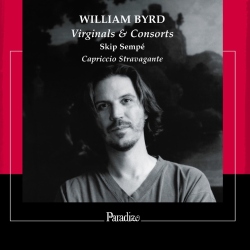
5:57
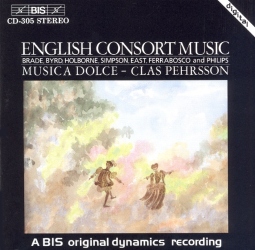
Featured Music