


Jan Pieterszoon Sweelinck
Regina coeli laetare (Cantiones Sacrae No. 33)
Released Album
Recent Album
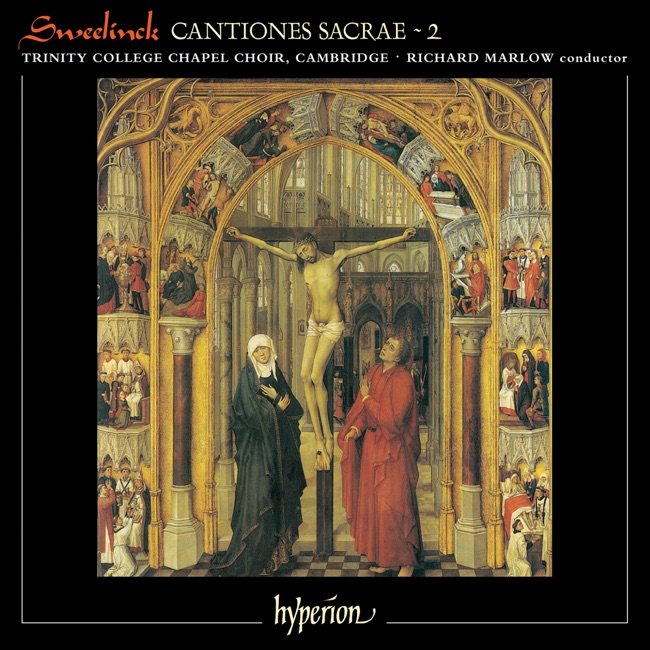
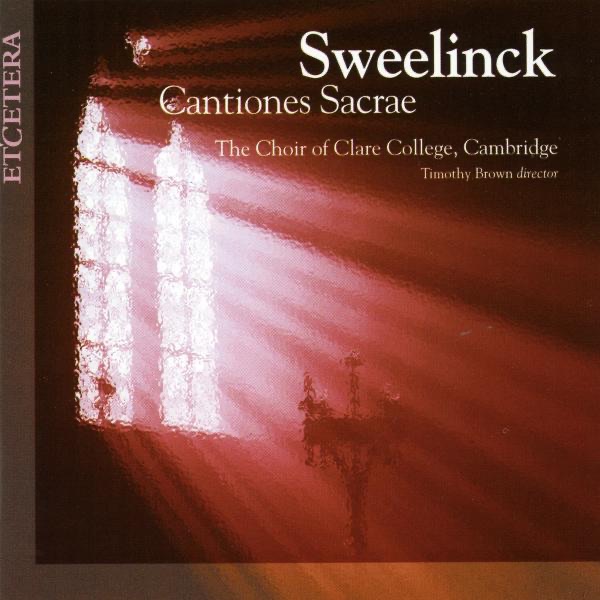
Works Info
Composer:Jan Pieterszoon SweelinckGenre:ChoralStyle:ChoralPublication Date:1619Average_duration:5:21Jan Pieterszoon Sweelinck was a Dutch composer and organist who lived from 1562 to 1621. He was one of the most important composers of the late Renaissance and early Baroque periods in the Netherlands. His works were highly regarded during his lifetime and have continued to be performed and studied to this day. One of Sweelinck's most famous works is the Regina coeli laetare, which is also known as Cantiones Sacrae No. 33. This piece is a setting of the Marian antiphon Regina coeli, which is traditionally sung during the Easter season. The text of the antiphon praises the Virgin Mary and asks for her intercession. Sweelinck's setting of the Regina coeli laetare is a four-part motet for choir. It was composed in the early 17th century, although the exact date is not known. The piece is believed to have been premiered in Amsterdam, where Sweelinck was the organist at the Oude Kerk. The Regina coeli laetare is divided into three movements. The first movement is a lively and joyful setting of the antiphon's opening words, "Regina coeli laetare, alleluia" ("Queen of heaven, rejoice, alleluia"). The music is characterized by its rhythmic energy and lively counterpoint. The second movement is a more contemplative setting of the antiphon's middle section, which asks the Virgin Mary to pray for us. The music is more subdued and introspective, with a focus on the beauty of the harmonies and the interplay between the voices. The final movement returns to the joyful mood of the opening, with a lively setting of the antiphon's closing words, "Gaude et laetare, Virgo Maria, alleluia" ("Rejoice and be glad, Virgin Mary, alleluia"). The music is once again characterized by its rhythmic energy and lively counterpoint, bringing the piece to a joyful and triumphant conclusion. Overall, Sweelinck's Regina coeli laetare is a masterful example of Renaissance polyphony, with its intricate counterpoint, beautiful harmonies, and expressive use of text. It remains a beloved and frequently performed work in the choral repertoire.More....
Works Music
Released Music
3
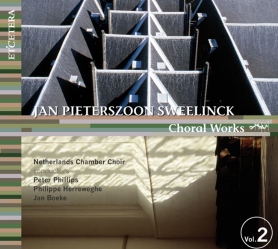
5:4
4
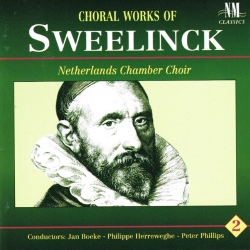
5:4
5
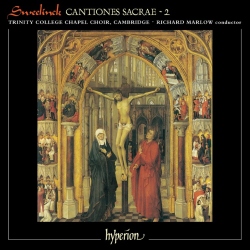
5:23
6
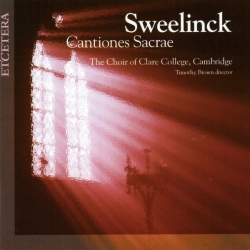
5:54
Main Perform Artists
Cornet, Shawm
Cello, Viol
Organ, Virginal
Viol
Lute
Baroque Violin