Dietrich Buxtehude
Jesu dulcis memoria, BuxWV 57
Released Album
Recent Album
Featured Album
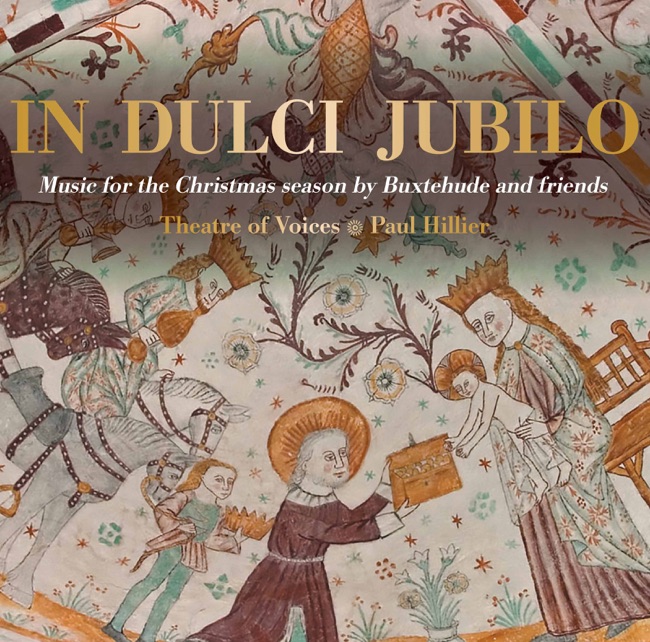
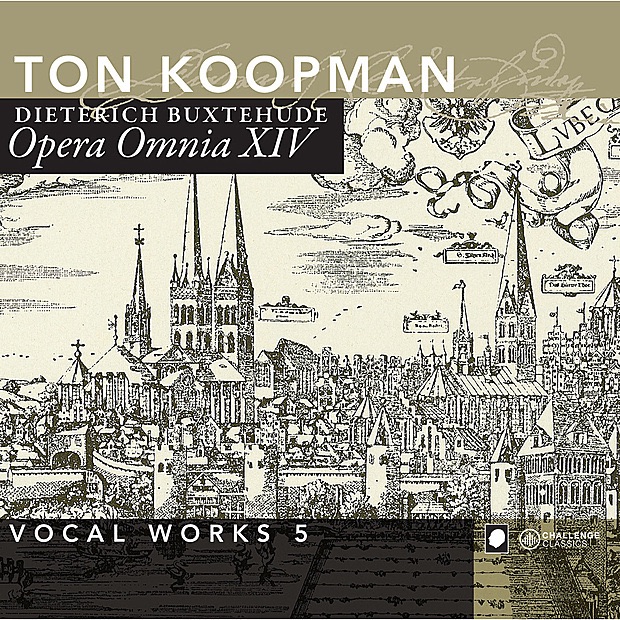
Works Info
Composer:Dietrich BuxtehudeGenre:VocalStyle:Vocal MusicAverage_duration:7:22Dietrich Buxtehude's 'Jesu dulcis memoria, BuxWV 57' is a sacred vocal work composed for five voices and basso continuo. The piece is based on a Latin hymn text by St. Bernard of Clairvaux, which praises the sweetness of Jesus' memory. Buxtehude's setting of the text is characterized by its expressive harmonies, rich textures, and virtuosic vocal writing. The composition of 'Jesu dulcis memoria' is believed to have taken place during Buxtehude's tenure as the organist at the Marienkirche in Lübeck, Germany, sometime in the late 17th century. The exact date of composition is unknown, but it is likely that the work was written in the 1680s or 1690s. The piece is divided into six movements, each of which reflects a different aspect of the text. The first movement is a sonata for basso continuo, which sets the tone for the rest of the work. The second movement is a duet for soprano and alto, which features a dialogue between the two voices. The third movement is a trio for alto, tenor, and bass, which is characterized by its rich harmonies and expressive vocal lines. The fourth movement is a solo for bass, which is notable for its virtuosic vocal writing and dramatic use of dissonance. The fifth movement is a quartet for all four voices, which features a complex interplay of vocal lines and harmonies. The final movement is a chorale setting of the hymn text, which brings the work to a peaceful and contemplative conclusion. Overall, 'Jesu dulcis memoria' is a masterful example of Buxtehude's skill as a composer of sacred vocal music. The work showcases his ability to create expressive harmonies and textures, as well as his talent for writing virtuosic vocal lines that are both technically challenging and emotionally powerful.More....
Works Music
Released Music
Featured Music